


Introduction
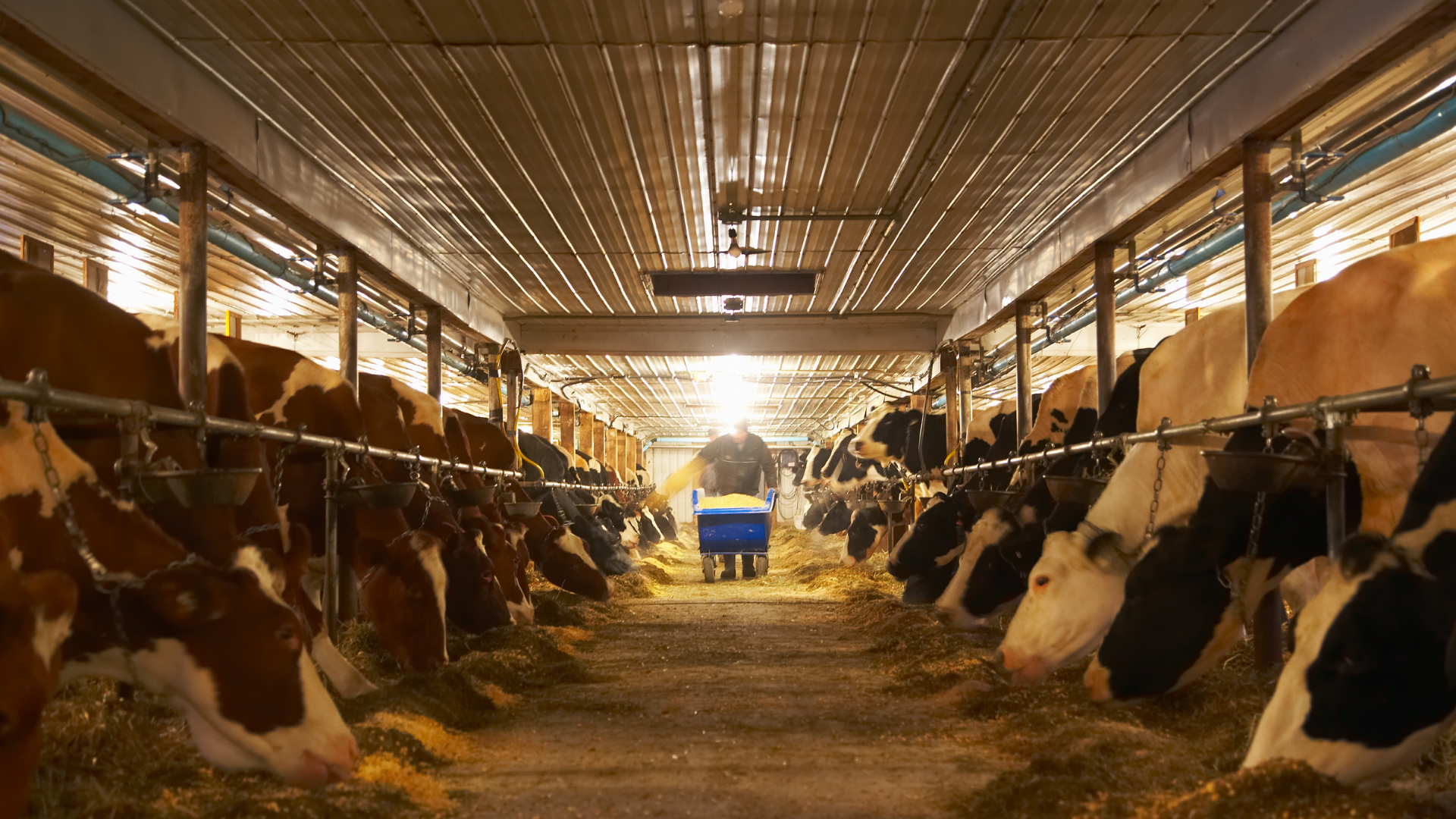
Sustainable cattle housing is at the core of modern livestock management, directly impacting animal health, welfare, and productivity. In today's farming environment, where efficiency meets ecological responsibility, building better barns is no longer just about providing shelter but ensuring a holistic approach to cattle well-being. Properly designed barns can enhance ventilation, reduce disease transmission, and promote natural behaviors, leading to healthier, more productive herds (Sejian et al., 2015).
Moreover, integrating sustainable practices, such as energy-efficient designs, waste management systems, and eco-friendly materials, can reduce environmental footprints and lower operational costs (Sundrum, 2001). Modern barns are evolving to meet the demands of both farmers and the planet, ensuring a balance between profitability and sustainability. Efficient cooling and ventilation systems, for instance, play a vital role in maintaining optimal conditions for livestock health and comfort (Gebremedhin et al., 2004). This approach boosts productivity and aligns with the growing emphasis on environmentally conscious farming practices.
Why Is Housing Management Important In Cattle Farming?
Protection from Environmental Extremes
Proper housing shields cattle from extreme weather conditions like heat, cold, rain, and wind. This reduces stress, which is crucial for maintaining optimal health and productivity. Exposure to harsh conditions can lead to heat stress or cold stress, both of which negatively impact milk production and growth rates. (West, J. W. (2003))
Improved Health and Reduced Disease Risk
Well-designed housing with good ventilation minimizes the risk of respiratory issues by preventing the accumulation of harmful gases like ammonia. Additionally, proper flooring and bedding reduce the chances of injuries, lameness, and mastitis, common problems in poorly maintained housing environments. (Wathes, C. M. et al., 1994)
Enhanced Productivity
Housing that provides comfort and a stress-free environment leads to improved feed intake, better reproductive performance, and higher milk yield. Stress from overcrowding or inadequate shelter can significantly reduce cattle productivity, making housing a critical component of farm profitability. (Bewley, J.et. al., (2001))
Animal Welfare and Behavior
Adequate space and access to comfortable resting areas allow cattle to express natural behaviors, such as lying down, socializing, and feeding without restriction. This promotes better overall welfare and reduces the incidence of stress-related behaviors. (Phillips, C. J. C. (2002))
Sustainable Farm Management
Good housing management contributes to sustainable farming by reducing waste and improving resource efficiency. Sustainable housing practices, such as recycling water and using energy-efficient materials, lower operational costs while reducing the farm’s environmental impact. (Dijkman, J. T. (1992))
New Technologies To Adopt For Cattle Housing Management
Automated Ventilation Systems
One of the latest innovations in cattle housing is automated ventilation systems, which ensure optimal air quality and temperature. These systems can monitor and adjust airflow, humidity, and temperature in real time, creating a healthier environment for cattle. By maintaining consistent air quality, these systems help reduce respiratory diseases and improve overall cattle health. (Albright, L. D. (1990))
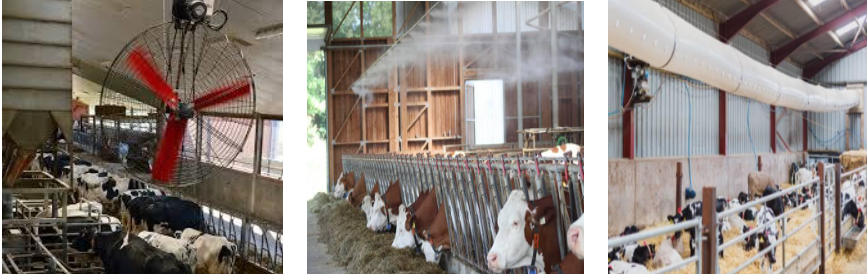
Automated Ventilation System of Cattle Farm
Precision Livestock Farming (PLF)
PLF technologies, such as sensor-based monitoring, have revolutionized housing management. Sensors installed in barns track vital data, including temperature, humidity, light levels, and even cattle behavior. These sensors provide farmers with real-time insights, allowing immediate adjustments to improve animal welfare and housing conditions. For example, if a cow shows signs of distress, such as prolonged standing or unusual behavior, the system can alert the farmer to investigate. (Berckmans, D. (2017))
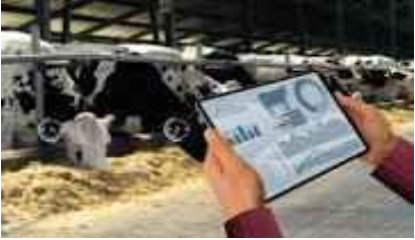
Precision Livestock farming
Automatic Scrapers and Bedding Systems
Maintaining hygiene in cattle housing is critical for preventing diseases such as mastitis. Automatic scrapers and bedding systems are modern tools designed to keep barn floors clean and dry by regularly removing manure and adding fresh bedding. This reduces labor costs and ensures a cleaner, safer environment for cattle. (Kling-Eveillard, F.et. al., 1996).
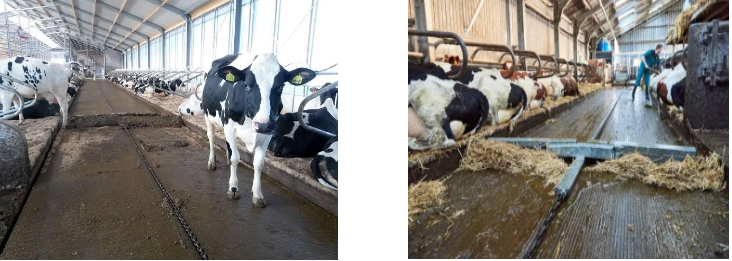
Automated Manure Scraper
Solar-Powered Housing Solutions
Solar energy is being integrated into cattle housing for sustainable power generation. Solar panels installed on barn roofs can power lighting, ventilation, and heating systems, reducing dependence on traditional energy sources. This lowers the farm’s carbon footprint and reduces operational costs in the long run. (Parker, G. E., et al. 2011)
Automated Feed Systems
New automated feeding technologies ensure that cattle receive consistent and timely nutrition. These systems can be programmed to distribute the correct amount of feed at regular intervals, reducing feed waste and ensuring each cow's dietary needs are met. Proper nutrition contributes to healthier cattle, leading to increased productivity. (Wathes, C. M. 2010)
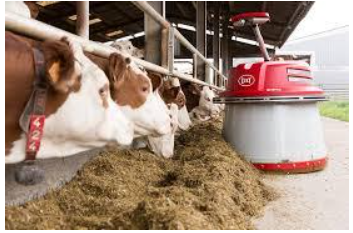
Automated Feeding
Benefits Of Housing Management In Cattle Farming
Effective housing management plays a vital role in enhancing the overall performance and well-being of cattle, which in turn improves farm productivity and profitability. Here are some key benefits:
Improved Animal Health
Proper housing helps maintain optimal living conditions, reducing the incidence of diseases such as respiratory issues, lameness, and mastitis. Well-ventilated barns with controlled temperatures protect cattle from environmental stresses like extreme heat or cold, which can significantly affect their immune systems and overall health (West, 2003). This leads to healthier cattle, reduced veterinary costs, and higher productivity.
Enhanced Comfort and Welfare
Housing management ensures that cattle have adequate space, clean bedding, and access to food and water, promoting their natural behaviors such as lying down and socializing. This improves their welfare, reduces stress, and supports better reproductive and milk production performance. Ensuring comfort is particularly important in dairy cattle, as stress can significantly impact milk yield (Bewley, Palmer, & Jackson-Smith, 2001).
Increased Productivity
Comfortable and well-managed housing environments contribute to higher feed intake, better digestion, and, ultimately, higher growth rates and milk production. Farmers can ensure optimal production levels by providing cattle with a stress-free environment, as cattle under less stress are more efficient in converting feed into milk or meat (Wathes, 2010).
Reduced Environmental Impact
Proper housing systems incorporate waste management strategies, such as manure handling and recycling systems, which minimize environmental pollution. Additionally, sustainable housing designs, such as renewable energy sources like solar panels, help reduce the farm's carbon footprint (Parker et al., 2011). This benefits the environment and helps farmers comply with regulatory standards on waste and energy management.
Conclusion
In modern cattle farming, housing management is a practical necessity and a crucial factor in optimizing animal health, welfare, and productivity. By adopting innovative technologies and sustainable practices, farmers can create environments that promote the natural behaviors of cattle, reduce disease risks, and enhance overall performance. Proper housing management also contributes to more efficient labor use, reduced environmental impact, and increased profitability. As the agriculture industry evolves, embracing these advanced housing solutions is essential for the success of modern cattle operations, ensuring a balance between productivity, sustainability, and animal welfare. Effective housing management is a long-term investment that pays off in healthier herds and more resilient farming practices.
Further Research
While current advancements in cattle housing management have significantly improved animal welfare and farm productivity, further research is needed to refine these technologies and explore new approaches. Future studies could focus on integrating advanced sensor systems for real-time monitoring of cattle health and behavior and developing more energy-efficient, climate-resilient housing designs. Additionally, research into the impact of housing on different breeds, particularly indigenous cattle, can offer insights into breed-specific needs and improve housing systems tailored to various climatic conditions. These efforts will contribute to more sustainable and efficient cattle farming practices.
References
- Albright, L. D. (1990). Environment control for animals and plants. American Society of Agricultural Engineers.
- Berckmans, D. (2017). Precision livestock farming technologies for welfare management in intensive livestock systems. Revista Brasileira de Zootecnia, 46(9), 831-839. DOI: 10.20506/rst.33.1.2273
- Bewley, J., Palmer, R. W., & Jackson-Smith, D. B. (2001). An overview of precision dairy farming technologies. Journal of Dairy Science, 84(7), 1803-1811.
- Dijkman, J. T. (1992). Sustainable livestock production in the tropics. CABI Publishing.
- Gebremedhin, K. G., Hillman, P. E., & Parkhurst, A. M. (2004). Cooling and feeding strategies for managing heat stress in dairy cows. Journal of Dairy Science, 87(3), 1478-1489. Cooling and feeding strategies to reduce heat load of grain-fed beef cattle in intensive housing — Livestock Science
- Kling-Eveillard, F., & Dockes, A. C. (1996). Innovations in livestock housing. Livestock Production Science, 49(1), 41-53.
- Parker, G. E., Mullins, M. A., & McDonald, L. R. (2011). Solar energy in livestock agriculture: Management and production benefits. Renewable Agriculture and Food Systems, 26(3), 233-242.
- Phillips, C. J. C. (2002). Cattle behaviour and welfare. Blackwell Science Ltd.
- Sejian, V., Bhatta, R., Soren, N. M., Malik, P. K., Ravindra, J. P., Prasad, C. S., & Lal, R. (2015). Introduction to concepts of climate change impact on livestock and its adaptation and mitigation. Springer India, 1-28.
- Sundrum, A. (2001). Organic livestock farming: A critical review. Livestock Production Science, 67(3), 207-215.
- Wathes, C. M., Charles, D. R. (1994). Livestock Housing. CABI Publishing.
- West, J. W. (2003). Effects of heat-stress on production in dairy cattle. Journal of Dairy Science, 86(6), 2025-2031.