


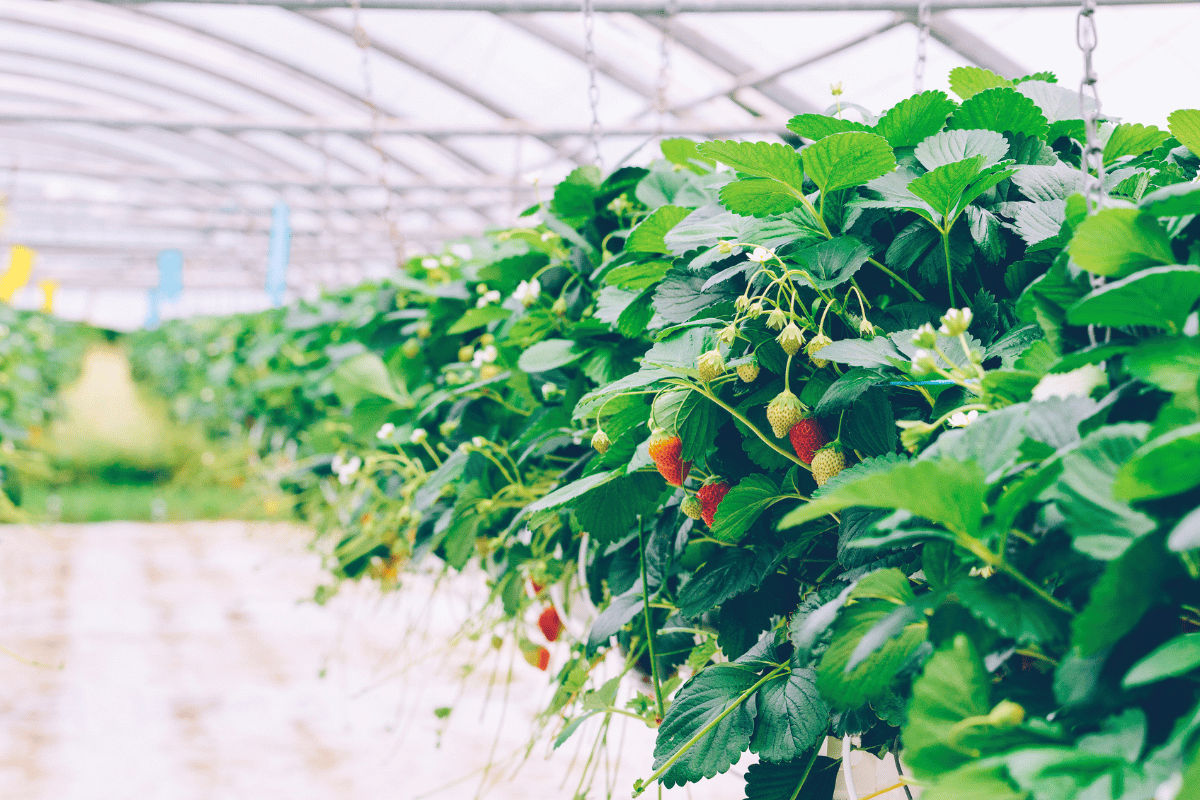
Pioneering soilless farming innovation in Egypt
As global populations expand and environmental pressures intensify, soilless farming, particularly hydroponics, has become essential for sustainable agriculture. In Egypt, where arable land comprises less than 3% of the country's territory and water scarcity poses critical challenges, hydroponic systems provide a smart, scalable, and efficient solution. Organizations like Cultivech are pioneering the movement toward soilless farming by designing localized, tech-integrated hydroponic solutions tailored for the Middle East and North Africa (MENA) region
Understanding soilless farming systems
Soilless systems enable crops to grow in nutrient-rich water solutions, eliminating the need for soil while reducing water usage by up to 90% compared to traditional irrigation methods. These systems are not only environmentally responsible but also space-efficient, making them ideal for urban settings, rooftops, and underutilized land, critical advantages for densely populated regions.
Hydroponics is necessary in Egypt, where agriculture consumes approximately 80% of the country's freshwater resources. The agricultural sector faces mounting pressure from climate change, declining Nile water levels, and increasing soil salinity, particularly in the Nile Delta region. Soilless farming enables year-round production, delivers chemical-free crops, and dramatically lowers environmental impact while addressing these urgent challenges.
Hydroponic agriculture has emerged as a critical solution for food security throughout the MENA region, where water scarcity and limited arable land threaten traditional farming. The Middle East and Africa hydroponics market is projected to grow from USD 14.85 billion in 2024 to USD 17.15 billion in 2025, driven by the urgent need for water-efficient agricultural practices.
Bridging technology and local expertise
Modern hydroponic solutions combine hardware innovation with advanced software capabilities. Farm management applications integrated with artificial intelligence (AI) help growers monitor water quality, nutrient levels, and plant health in real time. This data-driven approach increases productivity and reduces operational errors—making advanced farming accessible even to non-experts. AI-powered agricultural systems can reduce irrigation water use by 30% to 60% while providing precise recommendations for crop management.
Companies like Cultivech, developing hydroponic technologies for the region, specialize in designing and installing customized systems for farmers, agribusinesses, schools, and property developers, backed by technical support and long-term training. These solutions demonstrate how cutting-edge agricultural technology can be adapted to local climate conditions and resource constraints.
Best practices for successful soilless farming
Experience from farms, educational institutions, residential compounds, and food companies across Egypt has revealed key best practices for successful soilless farming:
System Customization: One size does not fit all. Climate conditions, crop selection, and user goals determine the best hydroponic design. Wikifarmer research emphasizes that different hydroponic systems—including Deep Water Culture (DWC), Nutrient Film Technique (NFT), drip systems, and aeroponics—offer distinct advantages depending on specific growing conditions and crop requirements.
Integrated Solar Power: For off-grid reliability and energy efficiency, combining solar panels with hydroponic units is transformative. Solar hydroponic farming integrates renewable energy to power pumps, lighting, and climate control systems, significantly reducing operational costs and carbon footprints. Recent research has demonstrated successful implementation of solar-powered hydroponic systems in arid regions, proving their viability for sustainable agriculture.
Education and Training: Consistent training is vital to ensure long-term system sustainability, whether on a school rooftop or in a commercial greenhouse. Hydroponic education programs across the Middle East emphasize hands-on learning, system management, nutrient optimization, and troubleshooting techniques.
Smart Monitoring: Advanced platforms allow growers to react quickly to stress signals, improving plant health and reducing waste. Technologies like sensors measuring temperature, humidity, light intensity, CO₂ levels, pH, and nutrient concentrations enable automated environmental control and remote monitoring.
From rooftop to table: Urban hydroponic applications
Residential and community hydroponic systems have gained popularity across Egypt, particularly plug-and-play solutions designed for rooftops and villa compounds. These systems are ideal for growing leafy greens, herbs, strawberries, and edible flowers. Solar-powered designs require minimal maintenance and produce fresh, chemical-free food year-round.
Families have embraced these systems as educational tools, with children participating in planting and harvesting, reconnecting with nature and food. Research demonstrates that urban farming in schools and residential settings significantly enhances children's nutritional awareness, promotes healthy eating habits, and improves social-emotional learning through responsibility and teamwork. Studies show that students engaged in school farming projects exhibit improved problem-solving and analytical skills directly applicable to STEM subjects.
For property developers, rooftop hydroponic systems offer environmental benefits, new revenue streams, and powerful sustainability marketing tools. Rooftop agriculture reduces urban heat islands, strengthens community bonds, and provides hands-on sustainability education.
Practical crops for home hydroponic systems
Leafy Greens: Lettuce, spinach, and other leafy vegetables thrive in hydroponic systems with consistent water quality and proper oxygenation. These crops grow rapidly and are ideal for beginners, providing fresh salads year-round.
Herbs: Basil, mint, cilantro, and parsley flourish in hydroponic environments, offering aromatic additions to home cooking while requiring minimal space.
Strawberries: Hydroponic strawberry cultivation produces higher yields with sweeter, larger fruits compared to soil-grown plants. Strawberries benefit from controlled nutrient delivery and consistent growing conditions, making them perfect for rooftop systems.
Edible Flowers: Growing edible flowers hydroponically adds aesthetic value and culinary versatility to home gardens while demonstrating the diverse applications of soilless farming.
The Path forward for Egyptian agriculture
Soilless farming represents a practical response to Egypt's agricultural challenges. With support from international research institutions like ICARDA (International Center for Agricultural Research in Dry Areas), which has successfully demonstrated water-efficient irrigation technologies and solar-powered systems across Egypt, the potential for widespread adoption of these innovations continues to grow.
As climate change intensifies and water scarcity deepens—with Egypt approaching absolute water scarcity of 500 cubic meters per capita within the next five years—innovative solutions like hydroponics become increasingly critical for food security and environmental resilience. By making farming smarter, more accessible, and more sustainable, the agricultural sector can transform challenges into opportunities for a new generation of growers who see agriculture not as a burden on the planet but as a path toward healing it.
Whether you're a farmer exploring water-efficient technologies, an educator introducing students to sustainable agriculture, or a homeowner interested in growing fresh produce, hydroponic systems offer practical solutions tailored to diverse needs and scales. Organizations like Cultivech and others in the region continue advancing these technologies, making soilless farming increasingly accessible across Egypt and the broader MENA region.
Want to learn more or bring hydroponics to your land, school, or community? Visit us or reach out to our team.
Sources
Hydroponics: current trends in sustainable crop production
https://www.climatecentre.org/wp-content/uploads/RCCC-Country-profiles-Egypt_2024_final.pdf
https://scholarworks.aub.edu.lb/bitstream/handle/10938/22958/HaddadRona_2021.pdf?sequence=1