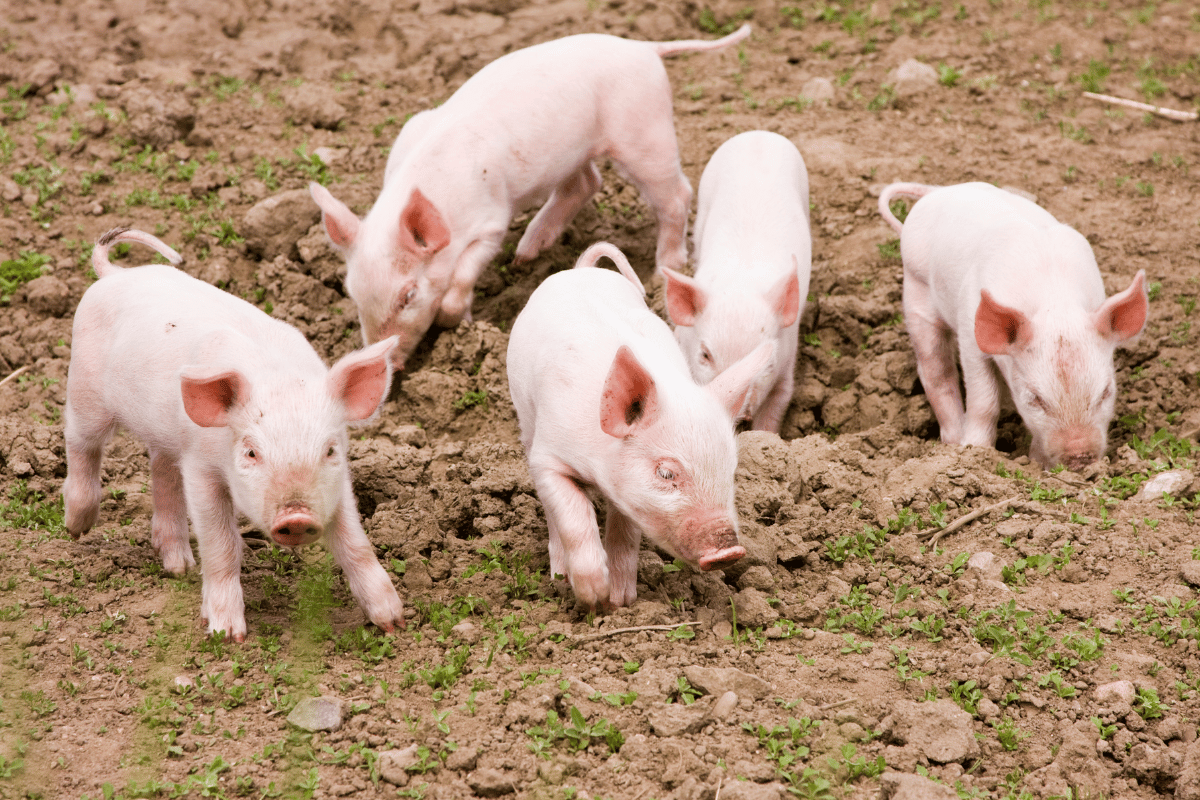
A strong start in a piglet’s life is crucial for lifelong health and performance, with optimal neonatal nutrition playing a key role. The first 70 days, which include the challenging weaning period, are critical for unlocking a piglet's genetic potential. This transition period is also a key time for farmers to optimize feed management, ensuring piglets develop into healthy, high-performing adults.
Nutritional Influence on Post-weaning Diarrhoea in Piglets
Feed represents the most significant cost for livestock farmers, so optimizing return on investment requires ensuring that piglets grow into healthy, high-performing adults. This begins with ensuring proper digestion of nutrients, especially immediately after weaning, when significant changes take place.
Stressors During Weaning
Weaned piglets face multiple stressors, including changes in feed composition, their environment, and microbial challenges. The abrupt shift from milk to solid feed at weaning makes piglets particularly susceptible to enteric pathogens and diarrhoea (Lallès et al., 2007; Liu et al., 2015). These stressors can cause digestive upset, performance depression, and, in severe cases, death (Campbell et al., 2013). Low feed intake after weaning, often due to stress, prevents hydrochloric acid secretion and halts lactic acid production, which raises gastric pH. This high pH reduces pepsin activation, impairing protein digestion.
The Role of Lactose in Post-Weaning Nutrition
Lactose plays a significant role in the growth performance of piglets during weaning. As a palatable and easily digestible energy source, lactose helps ease the transition from milk to solid feed. In the large intestine, unabsorbed lactose is fermented into short-chain fatty acids and lactic acid, lowering the pH of the gut and benefiting gut microflora (Yu et al., 2022). However, after weaning, endogenous lactase activity decreases, which reduces the digestibility of lactose (Zhao et al., 2021). This can lead to fermentation of lactose in the gastrointestinal tract, resulting in digestive issues.
Post-Weaning Diarrhoea and Its Causes
The digestive disturbances that follow weaning often lead to scours, intestinal inflammation, and bacterial enteritis. Post-weaning diarrhoea is commonly linked to the proliferation of enterotoxigenic Escherichia coli (ETEC) in the gastrointestinal tract (Fairbrother et al., 2005; Nagy and Fekete, 2005). This bacterial overgrowth can significantly impact the health of piglets and disrupt growth performance.
Historically, antibiotics have been added to the feed of weaned piglets to prevent diarrhoea and improve growth performance (Liu et al., 2018). However, in Europe and other regions, there is growing concern over the use of antimicrobial agents in animal feed. As a result, researchers and farmers have shifted their focus towards finding alternative strategies for controlling enteric diseases. Many of these strategies emphasize the role of nutrition in enhancing gut health and reducing the susceptibility of pigs to bacterial infections (Pluske et al., 2002).
Conclusion
A healthy start in the life of a piglet, particularly during the weaning phase, is vital for its future growth and performance. Addressing the nutritional needs during this time can help mitigate the challenges posed by digestive disturbances, including post-weaning diarrhoea. As the industry moves toward reducing antibiotic use, focusing on nutrition as a tool to support gut health and disease resistance is a promising strategy for enhancing piglet welfare and optimizing farm productivity.
References
- Campbell, J. M., Crenshaw, J. D., & Polo, J. (2013). The biological stress of early weaned piglets. Journal of animal science and biotechnology, 4(1), 19.
- Fairbrother, J. M., Nadeau, É., & Gyles, C. L. (2005). Escherichia coli in postweaning diarrhea in pigs: an update on bacterial types, pathogenesis, and prevention strategies. Animal health research reviews, 6(1), 17-39.
- Lallès, J. P., Bosi, P., Smidt, H., & Stokes, C. R. (2007). Nutritional management of gut health in pigs around weaning. Proceedings of the Nutrition Society, 66(2), 260-268.
- Liu, Y., Espinosa, C. D., Abelilla, J. J., Casas, G. A., Lagos, L. V., Lee, S. A., ... & Stein, H. H. (2018). Non-antibiotic feed additives in diets for pigs: A review. Animal nutrition, 4(2), 113-125.
- Nagy, B., & Fekete, P. Z. (2005). Enterotoxigenic Escherichia coli in veterinary medicine. International journal of medical microbiology, 295(6-7), 443-454.
- Pluske, J. R., Pethick, D. W., Hopwood, D. E., & Hampson, D. J. (2002). Nutritional influences on some major enteric bacterial diseases of pig. Nutrition Research Reviews, 15(2), 333–371. doi:10.1079/NRR200242
- Yu, W., Xiao, X., Chen, D., Yu, B., He, J., Zheng, P., ... & Mao, X. (2022). Effect of dietary lactose supplementation on growth performance and intestinal epithelium functions in weaned pigs challenged by rotavirus. Animals, 12(18), 2336.
- Zhao, J., Zhang, Z., Zhang, S., Page, G., & Jaworski, N. W. (2021). The role of lactose in weanling pig nutrition: a literature and meta-analysis review. Journal of Animal Science and Biotechnology, 12(1), 10.