


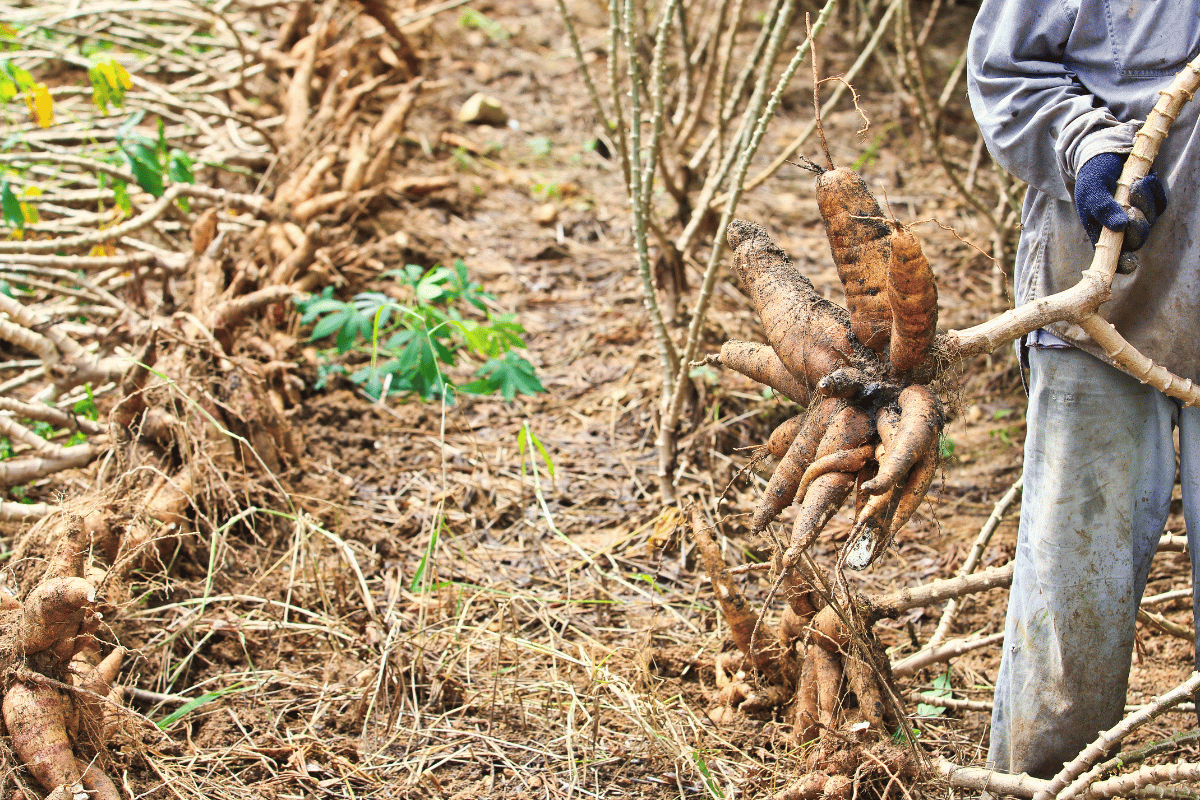
Agriculture in Nigeria does not just happen on the farm. It also happens in classrooms, community meetings, and one-on-one conversations with farmers who need the right advice at the right time.
For the past six months, I have been serving Nigeria through the National Youth Service Corps (NYSC) as an Agricultural Extension Agent in Ukwa West Local Government Area, Abia State. My weekly schedule splits between the field and the classroom. Mondays are mostly for field work, farm visits, and community meetings. From Tuesday to Friday I work as a teacher at Excellent Learners International School, teaching Agricultural Science.
This dual role has shown me that teaching farmers and teaching students are two sides of the same mission, building food security from the ground up.
Why NYSC matters for young graduates
The National Youth Service Corps is a one-year programme that deploys Nigerian graduates to serve in states outside their state of origin. It is important and compulsory because it builds national unity by bringing graduates to live and work with people from different cultures, languages, and backgrounds. It also gives practical work experience, since many graduates get their first real job exposure through NYSC. It addresses manpower gaps as well, with schools, farms, clinics, and local government offices in rural areas relying on corps members to fill critical roles. Finally, it develops leadership and adaptability, because serving in a new environment forces you to solve problems with limited resources.
For me, NYSC placed me in Ukwa West Local Government Area, where I could apply my agriculture training directly to farmers and students who need it most.
My role as an extension agent in Ukwa West
Ukwa West Local Government Area is home to smallholder farmers growing cassava, maize, plantain, vegetables, and keeping poultry and small ruminants. The soil is fertile, but farming here is not easy.
In six months on the field, my work has included farm visits where I walk through farms to check crop health, pest issues, and soil conditions. I also organise training sessions on improved cassava stems, safe pesticide use, and basic record keeping. Beyond that, I spend a lot of time problem-solving, advising on poultry housing to reduce disease and helping farmers adjust planting dates due to changing rainfall.
The biggest challenges I see are limited access to improved seeds and inputs, unpredictable rainfall affecting planting calendars, and low adoption of new practices due to fear of risk and lack of funds.
What works? Simple demonstrations. When farmers see a treated plot beside their usual method, the results speak louder than any lecture.
Teaching agriculture in the classroom
From Tuesday to Friday I am in the classroom at Excellent Learners International School. My goal is to make Agricultural Science practical, not theoretical. Junior Secondary students learn about soil types, crop production, and farm tools, among many other topics. To make it real, we germinate maize seeds in plastic cups to observe germination, discuss pests we see in our school garden and link them to farmer complaints in Ukwa West, and use photos from my farm visits so students connect lessons to real life.
The impact is clear. More students are choosing Agriculture for WAEC and NECO, and some have said they will start a small home garden. When students see agriculture as a business, they engage differently.
Lessons from bridging both roles
Serving through NYSC as both an extension agent and a teacher has taught me four lessons. First, speak the language of your audience. Farmers need plain advice. Students need examples they can see. Second, patience is part of the job. Trust and change take time. Third, practical beats theory. A ten-minute demo on cassava spacing teaches more than two hours of lecture. Fourth, youth are the future. When young people see agriculture as profitable, they stay in it.
Recommendations for young graduates in agriculture
If you are a young graduate serving through NYSC or starting out in agriculture education, listen first. Ask farmers and students what their biggest problem is before giving advice. Document your work by keeping records of farm visits, trainings, and results, because that is how you show impact. Collaborate with other corps members, ADP offices, and NGOs, since no one solves agricultural problems alone. And keep learning, because agriculture changes. New pests, varieties, and methods appear every season.
Serving Nigeria through agriculture
Ukwa West has the land, the people, and the potential to produce more food. Potential alone does not feed families, though. It takes people on the ground, including corps members, teachers, and farmers working together, to turn knowledge into yield.
My six months here have taught me that whether I am walking a cassava farm on Monday or teaching JSS3 students from Tuesday to Friday, I am doing the same thing, planting knowledge so that it grows into food, income, and opportunity.
Agriculture is not a job for the tired. It is a job for the committed. And through NYSC, I am committed to serving Nigeria where it matters most.
About the author