

Microgreens are trending and have become wildly popular among consumers in retail and among chefs. In this article, we will cover what most people get wrong when they try to turn microgreens into a real business, and what actually makes it work long term.
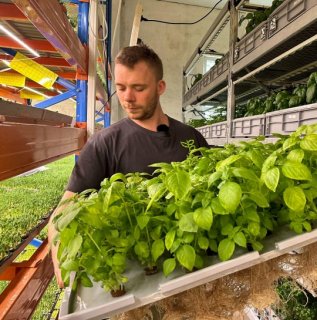
For the last 7 years, we have been co-founding multiple microgreens businesses around Europe. We started our own farm from a small grow rack in our living room. The first microgreens business we started is generating around €1,500,000 in yearly sales in the Danish market after 7 years of operation. Besides our own farm, we have worked with people in 14 countries to develop a successful foundation for taking a microgreens hobby project and turning it into a real business. This experience gave us a lot of insight into the market and what makes a microgreens business profitable.
Why microgreens look like an easy business
Many people think growing microgreens is an easy business to start. There is some truth to that because the initial investment is very low compared to other agricultural businesses. If we consider what it costs to build a greenhouse or begin farming on open fields, starting to grow microgreens is far more feasible. All you need is some shelves, grow lights, trays, and seeds. It is very simple. But it is not easy, because there is so much people need to understand in order to turn the project from a hobby into a full-scale business.
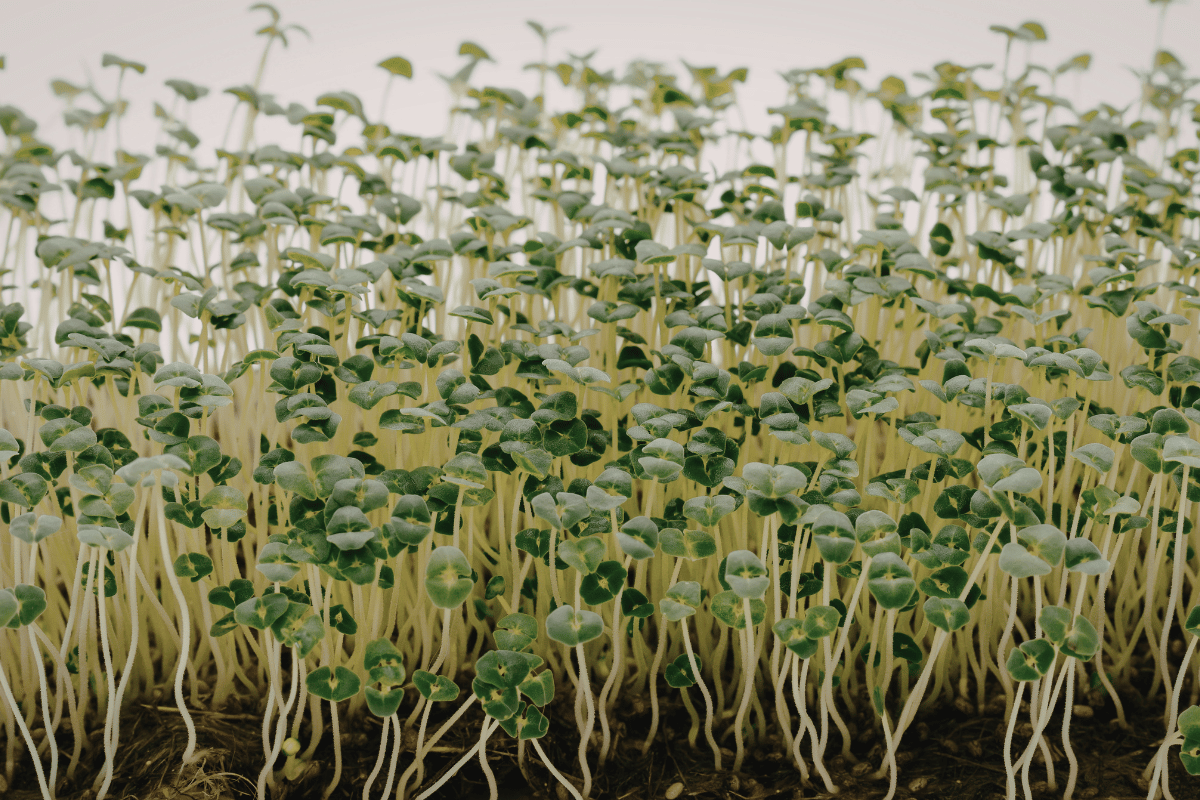
Microgreens are a high-value, nutrient-dense crop that can be grown and harvested within 14 days. You can grow them in a small amount of space, and the ability to stack multiple layers through vertical farming setups makes them extremely efficient. These factors make most people think it is easy to turn microgreens into a business. What most people forget is that going from a small home setup to a commercial operation in a warehouse involves a completely different set of challenges.
The hidden costs that kill profitability
When you start growing from your home, you do not have to worry about rent, labour costs, insurance, fuel (if you deliver your products), or administration costs. This is where I see people failing, because it is easy to generate a profit from home when you are the only one working on the business. Once you account for all the additional costs that come with running a commercial operation, things get difficult.
I have helped multiple people transition from growing at home to renting a commercial warehouse. Unless the operation is streamlined with optimized procedures, automated sales, and efficient customer service, the project will fail in most cases.
It is true that you can start a business from less than €1,000 from your home. But your sanity also has a price. Your energy and time matter. I bet you do not want to start a microgreens business just to get stuck in a new job you created for yourself, one that pays you an hourly wage well below what you expected before you started.
Why farmers' markets are a trap for most growers
This is where most people end up after a year in the business. So much effort goes into farmers' markets that demand a full day of work without any guarantee of making any sales. We tried the farmers market model ourselves, and from personal experience I will only recommend it as a way to find customers who can buy a subscription for home deliveries every week.
You need to find a way to turn your sales into a more streamlined process. That means finding clients who will buy your products on a consistent basis, where you spend 5 to 10 minutes per client instead of hours, and each client purchases €50 to €200 worth of microgreens.
We had a grower in our mentorship program who spent his time doing 2 farmers' markets per week. He was discouraged because of the low profit he was making compared to the time he put into growing the product, driving to the market, paying for his spot, and still having no guarantee that he would make back his investment.
After we worked with him and taught him how to target restaurants, grocery stores, and wholesalers, the game changed. He was making the same revenue per week but saved 60% of the time spent, while also reducing his operating costs. This is the power of understanding the market and how finding the right customers will make or break your microgreens business.
Finding the right customers
It is sad to me that so many people start growing microgreens but end up closing the doors after investing so much time and money. In my opinion it is because people are less informed about what it actually takes to succeed. In our book, Commercial Success With Vertical Farming: The Ultimate Guide: From €0 to €1,000,000, we share advice for new growers on how to achieve success and whether it is even relevant for you to begin a microgreens business.
I want to conclude that turning a microgreens business into a profitable venture is difficult. Do your research on what it actually takes to succeed instead of jumping into it too fast. Start small, learn fast, and do not become too greedy. It is better to have a smaller setup that makes you money than risking going into debt by growing too big too fast.
How to build a microgreens business that lasts
Learn to grow first. Then start selling to your friends and family. Little by little you learn to make sales. As soon as you have your first sale, the rest is essentially repeating the same process.
Build up your equity and do not go into debt without calculating the risk. Take the profits you earn and reinvest them into your business. That is how you create a profitable model from growing microgreens.
I hope this gave you a different perspective on what it takes to succeed in the microgreens business. If you are looking for more information, you can find us here.
Book: Commercial Success With Vertical Farming
YouTube: Vertical Greens
Newsletter: verticalgreens.eu
Equipment, seeds, and know-how: nordichydro.com
Happy growing!