


Introduction to Agrobiodiversity Conservation in Nepal
Agricultural development in Nepal's hills and mountains faces major constraints, including poverty, rugged terrain, variable climates, limited capital, and poor infrastructure. In these areas, promoting local agrobiodiversity offers a promising alternative to conventional modernization approaches.
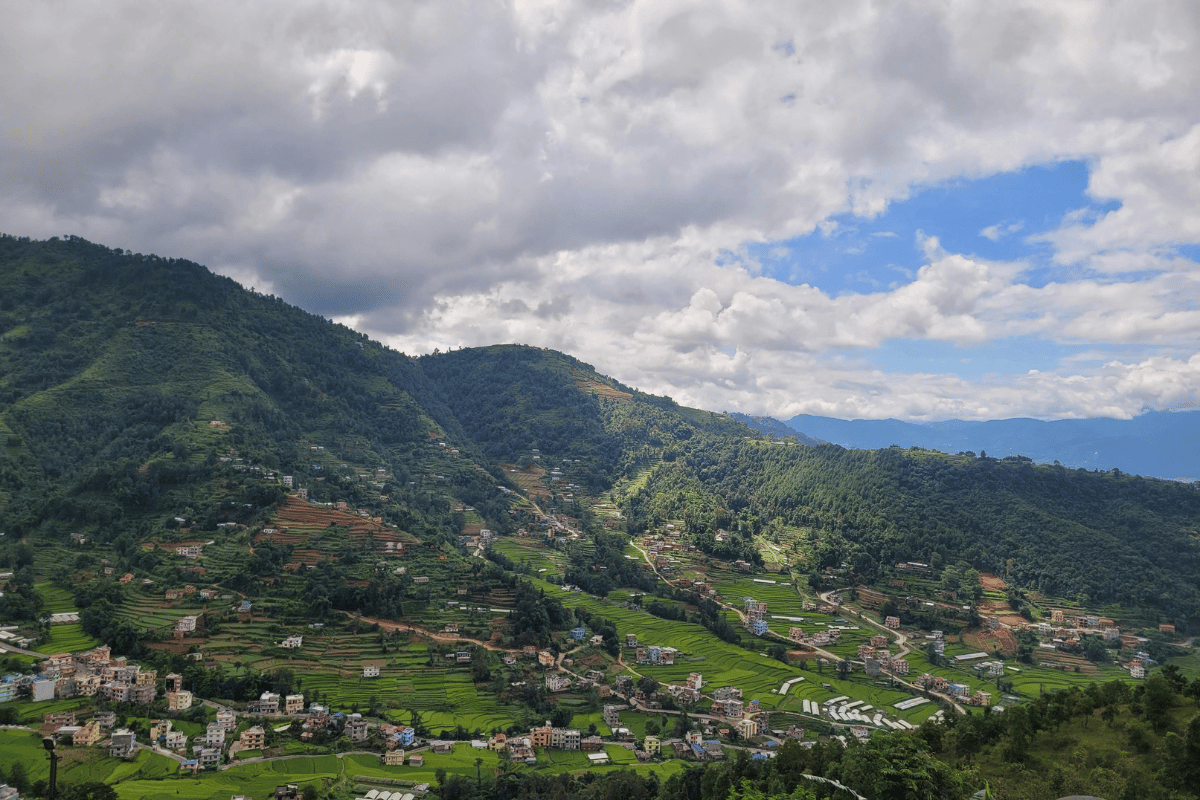
Nepal is rich in both natural and agricultural biodiversity (Gorkali, 1991; Sthapit, 1998; Belbase, 1999; Shrestha, 1999), shaped by diverse bio-geographical and cultural influences (NPC, 1999; Jarvis & Hodgkin, 2000). Its varied topography—from the Terai plains to the hills and mountains—has created numerous agroecological niches (Upadhyaya & Thapa, 1994), making it a Centre of Origin for important crops such as sesame (Sesamum indicum), finger millet (Eleusine coracana), beans (Phaseolus spp.), and rice (Oryza sativa) along with its wild relatives (Upadhyay, 1995).
Rice cultivation, spanning upland, lowland, rainfed, and irrigated systems, reflects this diversity and is closely linked to cultural practices (Huggan, 1995; Fowlie, 1996; Sthapit et al., 1998). This richness highlights the potential of in-situ agrobiodiversity conservation as a pathway for sustainable rural development.
Historical Context: The Green Revolution in Nepal
Since the mid-1960s, Nepal has pursued a Green Revolution approach to agricultural development, following trends in much of South Asia. Initially guided by the Rockefeller Foundation and later supported by the Ford Foundation, these efforts were further strengthened with the establishment of the Consultative Group for International Agricultural Research (CGIAR) in 1971 (Harlan, 1995; Perkins, 1997; Shah & Strong, 2000).
Within CGIAR, the International Rice Research Institute (IRRI) and the International Maize and Wheat Improvement Centre (CIMMYT) collaborated with Nepal's Department of Agriculture, and later the Nepal Agricultural Research Council (NARC), to enhance crop productivity (Mallick, 1982; Upadhyaya & Thapa, 1994; Koirala et al., 1995; Sthapit, 1995; Hobbs & Morris, 1996; NARC, 1997).
However, Nepal's complex mountainous terrain, poor infrastructure, variable production conditions, and entrenched rural poverty have constrained the rapid adoption of modern agricultural technologies (Gorkhaly & Gautam, 1991; Riedinger, 1993; Thapa & Rosegrant, 1995; Gill, 1996; Thapa, 1996; Anderson, 1998; Hobbs & Adhikary, 1998). Despite these challenges, high-yielding varieties (HYVs) of rice and wheat, along with associated inputs like fertilizers and machinery, have been adopted, particularly in the Terai region (MOA, 1998). Yet, average national yields for these crops showed little substantial growth during the latter half of the 20th century (Thapa & Rosegrant, 1995; NPC, 1999).
Traditional Farming Systems and Genetic Diversity
In the hills and mountains, yield improvements have largely resulted from expanded cereal cultivation and more intensive cropping rotations, rather than the application of modern technologies. Traditionally, farmers have relied on natural selection and local seed-saving practices to maintain productive landraces and genetically distinct local crop populations, ensuring adaptation to local conditions (Ceccarelli, 1994; FAO, 1996; Tripp, 1996; Thrupp, 2000).
Where modern varieties have been introduced, Green Revolution practices have often reduced landrace diversity, increasing the potential vulnerability of agricultural systems (Gorkali, 1991; Upadhyay, 1995; Partap & Sthapit, 1998; Sthapit, 1998; Bardsley, 2003).
Socioeconomic Challenges and Poverty
Despite development efforts, extreme poverty persists in many Nepalese communities, particularly in the marginal agricultural areas of the high hills and mountains. In 1998, Nepal's GNP per capita was only US$210, ranking it among the world's poorest nations (The World Bank, 2000). Foreign aid contributed 8.3% of GDP in 1997, while population growth remained high at approximately 2.8% per year between 1990 and 1998 (The World Bank, 2000).
Social indicators—including life expectancy, infant mortality, literacy, and access to mass media—reflect low levels of human and institutional development, with the rural population remaining among the most impoverished (UNDP, 1998). Agriculture continues to be central to the Nepalese economy, employing 81% of the workforce in 1991, of whom around 71% engaged in subsistence farming (UNDP, 1998). Yet, agricultural productivity was low, with value added per worker at only US$187 in 1995-97 (The World Bank, 2000).
Nepal's development strategy aims to shift from a rural-based economy to one focused on industrial and high-value products, a transition often associated with social tensions, inequality, and migration (Shiva, 1990; Gill, 1996; Panday, 1999; Adhikari, 2000).
Opportunities for Agrobiodiversity Conservation
Emerging opportunities for alternative development approaches that integrate agrobiodiversity are limited but promising. The national agrobiodiversity conservation program seeks to add value to local genetic resources through participatory plant breeding, awareness-raising, and market linkages (Smale et al., 1998; Brush, 2000).
While conserving genetic diversity reduces risk within agricultural systems, long-term sustainability requires linking conservation to social development. Agrobiodiversity-based approaches could complement conventional development strategies by creating societal value and enhancing rural livelihoods. This research explores these emerging conservation opportunities within the broader context of Nepal's socio-economic development.
Nepal's Agrobiodiversity: A Rich Natural Heritage
Nepal is home to an impressive 24,300 species of living organisms, with 6,618 (about 28%) being agricultural species, not counting 27 exotic ornamental fish. Among these, agricultural animals are more diverse than plants, with insects being the largest group (3,500 species), followed by crops (1,026) and microorganisms (800). Livestock, in contrast, shows the lowest diversity. Interestingly, wild edible species are abundant across almost all groups, except for forage and livestock.
Crop Genetic Resources
The country's varied climates and landscapes have allowed a rich collection of 1,506 crop and forage genetic resources. These include:
- 93 introduced species
- 670 wild edibles
- 224 crop wild relatives
- 35 semi-domesticated species
- 484 native cultivated varieties
Among the native crops, 64 are agronomic, 145 horticultural, and 275 forage species. Nepal also cultivates ornamental and medicinal plants, with 200 native and 100 exotic ornamental species, and 120 native and 60 exotic medicinal plants.
Nepal's crop varieties are diverse, ranging from traditional landraces to modern varieties, hybrids, inbreds, open-pollinated varieties (OPVs), exotic and native species, breeding lines, mutants, double haploids (DH), near-isogenic lines (NILs), synthetics, clonal plants, and even genetically modified organisms (GMOs). However, other components of agrobiodiversity generally have lower genetic variation. Forages and rangelands span a wide altitude range from 60 to 5,000 meters, with a total of 510 species, including 50 exotic ones.
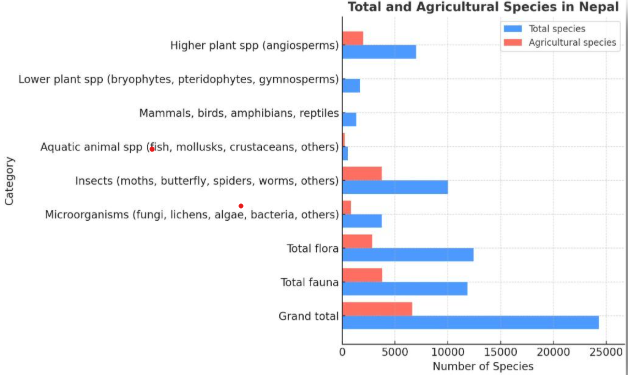
Figure 1: Total number of species and agricultural species in Nepal
Source: Joshi, B. K., Gorkhali, N. A., Pradhan, N., Ghimire, K. H., Gotame, T. P., KC, P., ... Paneru, R. B. (2020). Agrobiodiversity and its Conservation in Nepal. Journal of Nepal Agricultural Research Council, 6, 14-33.
Research Methods
This study analyzed published research, policy documents, and structural reforms to examine how Nepal has addressed agrobiodiversity conservation amid rapid agricultural change. The focus was on emerging opportunities for formal, in-situ conservation in rural marginal areas.
Given that formal programs are still nascent, the study emphasized stakeholder perspectives, including scientists, public servants, NGO representatives, farmers, and food retailers influencing sustainable development. Primary fieldwork was conducted at LI-BIRD in Pokhara, where 26 key informants were interviewed between December 1999 and February 2000 (Chambers, 1994; Lindsay, 1997; Valentine, 1997; Robinson, 1998). Interviews explored participants' views on in-situ, on-farm conservation, particularly for local rice genetic resources, and assessed potential societal support for such initiatives (Bardsley, 2001).
Genetic Erosion and Agricultural Constraints
Uneven Technology Adoption
The adoption of modern crop varieties and technologies is uneven across Nepal, with irrigated rice varieties performing well only in the Terai, where infrastructure is limited to a minority of farmers (Respondents no. 3, 5, 14, 19). Low formal education and limited extension services restrict farmers' knowledge of development opportunities (Respondents no. 1-7, 10, 12, 13, 16-19, 22). Even when agrochemicals are available, their improper use can harm productivity, the environment, and health (Respondents no. 1, 3, 5, 12, 17, 19, 22).
Infrastructure Limitations
Nepal's challenging terrain and weak infrastructure constrain agricultural development in the hills and mountains. Poor access to roads and markets limits farmers' ability to increase profits, reducing incentives for sustained agricultural engagement (Respondents no. 1-3, 5, 8, 9, 11, 13, 16, 17, 19, 20-23). As a result, many people are migrating from rural areas to urban centers or abroad in search of better livelihoods (Respondents no. 1-3, 5-8, 10, 13, 18, 19, 22). Opportunities for significant productivity gains in marginal areas remain limited, reflecting both environmental and socioeconomic constraints.
List of Respondents
-
Assistant Plant Breeder, LI-BIRD, Pokhara, Female.
-
Coordinator, In Situ Conservation Program, LI-BIRD, Pokhara, Male.
-
Farmer and President, Development and Environmental Protection Club, Leknath, Begnas, Kaski District, Male.
-
Farmer and Treasurer, Development and Environmental Protection Club, Leknath, Begnas, Kaski District, Female.
-
Soil Nutritionist and Farmer, Mustang District, LI-BIRD, Pokhara, Male.
-
Regional Representative, International Plant Genetic Resources Institute, Pokhara, Male.
-
Project Director, ACAP, King Mahendra Trust for Nature Conservation, Pokhara, Male.
-
Director, LI-BIRD, Pokhara, Male.
-
Program Officer Plant Breeder, LI-BIRD, Pokhara, Male.
-
Manager, Mountain Farming Systems, International Centre for Integrated Mountain Development, Kathmandu, Male.
-
National Coordinator, In Situ Conservation Program, Plant Genetic Resource Unit, Agricultural Botany Division, NARC, Kathmandu, Male.
-
Manager, Agricultural Botany Division, NARC, Kathmandu, Male.
-
Agricultural Economist, Outreach Research Division, NARC, Kathmandu, Male.
-
Original Coordinator, In Situ Conservation Program, Planning Division, NARC, Kathmandu, Male.
-
Director, Biodiversity Program, International Union for the Conservation of Nature, Kathmandu, Male.
-
Committee Member, National Action Plan for Biodiversity, Environmental Law and Policy Programme, IUCN, Kathmandu, Male.
-
Regional Coordinator, CIMMYT-South Asia, Kathmandu, Male.
-
Manager, Outreach Division, Lumle Agricultural Research Centre, Lumle, Male.
-
Agronomist, Lumle Agricultural Research Centre, Lumle, Male.
-
Plant Breeder, LI-BIRD, Pokhara, Male.
-
Chief Executive, Sital Agro Products, Malepani, Pokhara, Male.
-
Regional Wheat Pathologist, CIMMYT, Kathmandu, Male.
-
Divisional Manager, Sales and Distribution Division, Nepal Food Corporation, Kathmandu, Male.
-
Team Leader, National Action Plan for Biodiversity, Botany Department, Tribhuvan University, Kathmandu, Male.
-
Senior Program Officer, Mountain Environments, King Mahendra Trust for Nature Conservation, Kathmandu, Female.
-
Committee Member, National Action Plan for Biodiversity, Foreign Aid Coordination Division, Ministry of Forests and Soil Conservation, Kathmandu, Male.
Migration and Agricultural Challenges
Farmers are leaving the hills due to longer crop cycles, lower yields, and limited resources. Maize takes nine months to grow at high altitudes, compared to three to four months in the Terai, where multiple crops—rice, maize, and wheat—can be cultivated on a single plot. Hill farmers depend on rainfall, while Terai farmers have better access to irrigation and fertilizers (Respondents no. 1-5, 8, 10, 17-19).
Modern Varieties vs. Traditional Landraces
Adoption of Modern Varieties
Modern rice varieties are preferred for their higher yield potential and better responsiveness to irrigation and fertilizers compared to traditional landraces (Respondents no. 2-5, 8, 11-13, 16, 18, 19). They are suited to diverse production domains, including dryland, submerged areas, and varying altitudes (Respondents no. 4, 12, 18). In contrast, landraces are considered low-yielding, vulnerable to pests and diseases, and prone to lodging or shattering (Respondents no. 1, 2, 5, 9, 11-13, 16).
As modern varieties replace landraces, genetic diversity is lost, sometimes leaving only a few households maintaining specific traditional varieties (Bardsley, 2001).
Pests, Diseases, and Vulnerability
The late 20th century saw significant pest and disease outbreaks, partly due to reduced varietal diversity and reliance on a few modern varieties. For instance, the rice variety Masuli in the Terai is highly susceptible to Blast disease (Magnaporthe grisea), affecting up to 40% of the area (Respondents no. 2, 6, 9, 11, 18, 20). Limited varietal diversity increases vulnerability to viral diseases, such as those spread by the Brown Planthopper (Nilaparvata lugens).
Socioeconomic Constraints
Agricultural development in Nepal is constrained by small, unevenly distributed farms, lack of infrastructure, limited capital, and competition from cheap imports (Respondents no. 1, 3, 5, 8, 10, 16-19). Even when yields increase, marketing limitations prevent farmers from converting production gains into profits. Poor transport infrastructure, particularly in mountainous regions, further restricts agricultural efficiency and economic benefits.
In-Situ Agrobiodiversity Conservation Opportunities
Nepal ratified the Convention on Biological Diversity in 1993 (UNEP, 1992; Belbase, 1999; Shrestha, 1999), and recent policies have begun supporting agrobiodiversity conservation (Respondents no. 7, 8, 11, 14, 16, 24, 26). International support, such as from IPGRI, aims to strengthen scientific approaches to on-farm conservation (IPGRI, 1998; Jarvis & Hodgkin, 2000). Ex-situ conservation through genebanks exists but is insufficient due to limited funding and capacity (Respondents no. 6, 11, 12, 19, 24).
De Facto Conservation
Despite ongoing agricultural modernization, many farmers continue cultivating local rice landraces, resulting in a de facto in-situ conservation process (Respondents no. 1-20, 22, 24, 26). This persistence is often driven by the lack of suitable modern varieties for complex agroecological conditions and the social needs of rural communities (Sthapit, 1995; Fowlie, 1996; Gill, 1996; Sthapit et al., 1996; Joshi et al., 1997).
Modern crop varieties are frequently poorly suited to specific local environmental conditions (Respondents no. 2, 11, 12, 19). Farmers who grow these varieties without adequate access to necessary inputs often face difficulties, and several have reported declines in productivity within just a few seasons of adopting modern varieties (Respondents no. 1-4, 12, 19).
The Role and Value of Landraces
Agronomic Advantages
Soil nutrient depletion and inconsistent access to quality inorganic fertilizers have led farmers to continue cultivating local landraces (Respondents no. 1, 2, 11, 12, 18). Many subsistence farmers use mixed cropping systems—such as wheat and millet in drylands—to reduce agroecosystem risks. Local varieties are often timed to fit specific cropping schedules and help mitigate pest and disease problems (Respondents no. 2, 4, 11).
In marginal areas, cultivating a diversity of landraces provides stable and reliable yields, whereas modern varieties perform poorly without sufficient inputs like fertilizers and irrigation (Respondents no. 1-3, 6, 8, 9, 11-13, 18, 19).
Cultural and Economic Value
Landraces also serve important cultural, culinary, and economic roles. Specific rice varieties are valued for cooking quality, taste, texture, medicinal properties, or their suitability for rituals and social events, such as Aanadi and Sati rice (Respondents no. 1-6, 9, 11, 13, 14, 18, 20, 21, 24). Longer straw from some varieties supports livestock feeding and weaving (Respondents no. 3, 9).
Economically, locally preferred landraces often fetch higher prices in nearby markets, overcoming transport constraints in marginal regions and benefiting farmers of all income levels. Interestingly, middle-income farmers tend to conserve the greatest diversity per farm, while smaller landholders are more risk-averse (Respondents no. 2, 6, 8, 10, 13).
Cultural Influence and the Need for Formal Conservation
The erosion of traditional cultures due to globalization, especially in areas like the Kathmandu Valley, threatens landrace conservation (Respondents no. 5, 6, 8-11, 13, 21). In isolated regions, such as Jumla, strong cultural traditions help sustain agrarian practices and local crop diversity.
However, as infrastructure and external influences expand, reliance on de facto conservation alone will be insufficient. Long-term retention of landrace diversity requires formal conservation strategies that link biodiversity preservation with tangible human development outcomes, ensuring that farmers benefit socially and economically from maintaining local varieties.
Reasons for In-Situ Agrobiodiversity Conservation
| Reason | Respondents (N=26) | Percentage |
|---|---|---|
| Conserve genetic resources | 1, 2, 6, 8, 9, 10, 11, 12, 13, 14, 17, 18, 20, 21, 22, 24, 25, 26 | 72% |
| Stabilize/enhance production | 1, 2, 3, 4, 6, 8, 9, 10, 11, 12, 13, 14, 15, 17, 18, 19, 20, 21, 24, 26 | 80% |
| Target farmer assistance | 2, 4, 6, 9, 11, 14, 15, 16, 17, 24, 26 | 44% |
| Produce special products | 1, 2, 3, 4, 5, 6, 7, 8, 9, 10, 11, 12, 13, 14, 15, 16, 18, 20, 21, 24, 25, 26 | 88% |
| Promote tourism | 2, 5, 6, 7, 8, 9, 11, 12, 13, 14, 15, 16, 20, 21, 25, 26 | 64% |
| Link to cultural traditions | 2, 3, 5, 6, 8, 10, 11, 13, 15, 18, 20, 21, 24, 25 | 56% |
| Aesthetics/landscapes | -- | 0% |
| Support natural biodiversity conservation | 10, 11, 15, 16, 24, 26 | 24% |
| Science and education | 11 | 4% |
State Support and Policy Challenges
State support for agrobiodiversity conservation in Nepal faces significant challenges. While compensating farmers for conserving local crop genetic resources could enhance the value of indigenous agricultural assets (Respondents no. 14, 16, 24), the likelihood of direct state funding is low due to limited resources and institutional capacity (Respondents no. 6, 7, 10, 11, 12, 13, 14, 15, 20, 22, 24). Any such support risks diverting funds from other development or conservation priorities.
Food Security Considerations
Nepal struggles to ensure food security, particularly in mountainous districts, where arable land per capita is extremely low (0.13 ha in 1994-1996) and food deficits were widespread in the mid-1990s (Talachan, 1997; Bhandari, 1999; Koirala and Thapa, 1997; The World Bank, 2000). Although the Nepal Food Corporation provides subsidized food in marginal areas (Thapa and Rosegrant, 1995; IUCN, 1998; Bhandari, 1999), distribution is often insufficient, and recent policy changes aimed to reduce subsidies to encourage local agricultural development.
Some respondents suggested rewarding farmers with modern varieties in exchange for producing and conserving landraces (Respondents no. 12, 15). Participatory breeding approaches also offer opportunities to combine production increases with conservation.
Integration with Natural Biodiversity Conservation
Integration between agricultural and natural biodiversity conservation is possible. The Annapurna Conservation Area Project (ACAP) demonstrates that providing alternative, independent incomes to local communities can reduce pressure on natural resources while promoting sustainable development (Banskota and Sharma, 1995; Lama, 1995; Gurung, 1999; KMTNC, 1997; Wells and Sharma, 1998; Shrestha, 1999).
Similarly, providing stable incomes to farmers could support in-situ conservation without forcing reliance on modernized agriculture. Targeting specialist conservation farmers may be an effective strategy, as a few individuals in each village often retain high levels of agrobiodiversity (Respondents no. 1, 2, 6, 8, 9, 13). Where these farmers are women, such initiatives could enhance their role within communities, addressing gender disparities in rights and welfare (Gittelsohn et al., 1997; Gurung, 1998; UNDP, 1998).
Awareness Raising for In-Situ Agrobiodiversity Conservation
In the absence of direct compensation, conservation strategies should focus on leveraging agrobiodiversity for sustainable development. Educating stakeholders about the use and management of local landraces is essential (Respondents no. 2, 6, 8, 9, 13).
Communication Strategies
Raising awareness among farmers regarding the role of diversity in agriculture remains one of the most effective approaches. Mass media, including television, radio, and newspapers, helps reach wider audiences, while group discussions, research presentations, and village meetings strengthen practical understanding (Respondents no. 1, 2, 3, 6, 7, 16, 20, 21).
Traditional Cultural Methods
Traditional cultural methods, such as seed exchange, food fairs, and community dramas, have proven highly effective. LI-BIRD organized a drama highlighting the importance of wild rice (Nabodhan) and local rice varieties, particularly educating women farmers who are key actors in conservation yet often have limited access to formal knowledge (Respondents no. 6, 8).
Seed exchanges within families, especially during marriage, and annual Diversity Fairs facilitate knowledge sharing and strengthen conservation (Respondents no. 1, 2, 3, 4, 5, 6, 9, 17, 18, 24). Community seed banks and registers further help document and preserve landrace diversity (Respondents no. 2, 4, 6, 9, 11, 14, 16)
Integrating Traditional and Modern Knowledge
Modernization has undermined traditional agricultural practices, particularly in mountain regions (Sthapit et al., 1996; Gurung, 1998). Formal support for local knowledge and agrobiodiversity does not reject modern agriculture; rather, it demonstrates that traditional varieties can offer advantages in input efficiency, quality, and market value.
The IPGRI Regional Representative emphasizes that farmers can grow modern varieties if desired, but local varieties often remain competitive and beneficial. Integrating participatory plant breeding, awareness programs, and market initiatives can assign tangible value to local crop diversity. Awareness among farmers, scientists, government officials, and the public is critical to sustain in-situ conservation. Despite modernization pressures, local communities continue to maintain traditional landraces, illustrating that traditional knowledge and modern agricultural development can coexist successfully (Respondents no. 2, 6, 8, 10, 13, 14, 16, 18, 24).
Participatory Plant Breeding (PPB)
Conventional crop breeding has often failed to address the diverse agroecological and socioeconomic conditions in Nepal. Participatory Plant Breeding (PPB) seeks to fill this gap by involving farmers from the outset, integrating their knowledge and preferences into the development of location-specific varieties (Respondents no. 1, 2, 9, 12, 13, 17, 18, 20; Fowlie, 1996; Sthapit et al., 1996; Joshi et al., 1997; Joshi and Witcombe, 1998).
This decentralized approach is particularly suited to remote areas where formal extension services and research facilities are limited (Respondents no. 1, 20, 22). PPB prioritizes local adaptability and heterogeneity over uniformity, which aligns with subsistence farmers' needs. While its primary goal is often yield improvement, PPB can also contribute to conserving local crop genetic resources, provided new varieties incorporate local germplasm (Respondents no. 1, 2, 6, 8, 9, 10, 11, 12, 13, 17, 20).
Challenges and Opportunities
However, participatory approaches face challenges, including high resource demands and logistical complexity, and may risk compromising yield gains to prioritize conservation (Respondents no. 2, 4, 12, 17-19, 22; Chambers, 1994). Despite these challenges, PPB offers unique opportunities to tailor technical innovations to the needs of marginalized communities.
Marketing Agrobiodiversity
Linking on-farm conservation to market opportunities can support local development and incentivize farmers (Respondents no. 2, 5-16, 20-26). Initiatives by organizations like LI-BIRD focus on processing local crops into marketable products with unique nutritional or health benefits (Respondents no. 2, 5, 8, 9, 12, 13, 21, 26).
However, access to wider markets is limited due to geographical isolation and small-scale food industries (Respondents no. 5, 6, 8, 9, 11, 13, 14, 20, 21). Tourism offers a potential avenue for local "diversity products," linking cultural and ecological value with agro-ecotourism or indigenous cuisine promotion (Banskota and Sharma, 1998; Wells and Sharma, 1998; Koirala et al., 1995; Respondents no. 2, 5-16, 20, 21, 25). Food fairs and skill development for cooks could help integrate local products into tourism experiences (Respondents no. 2, 6, 8).
Integrating Conservation with Agricultural Development
Nepal's agricultural modernization emphasizes productivity and cash-crop cultivation, often favoring areas with good transport and market access (Gorkhaly and Gautam, 1991; Anderson, 1998; NPC, 1998; Sharma, 1997; Talachan, 1997). Yet, this approach may not suit marginal hill and mountain communities, where transport, market access, and reliance on subsistence farming make modern inputs impractical (Respondents no. 2, 6, 8, 10-12, 15, 18, 19, 24).
Commercialization can devalue traditional agricultural knowledge and biodiversity, undermining socioecological wealth (Manager, ICIMOD, Kathmandu). Farmers who maintain local diversity often do so pragmatically, responding to risks associated with modern technologies rather than broader conservation agendas.
In-situ conservation should not transfer responsibility solely to farmers; it requires state and international support to ensure fairness and sustainability (Manager, Lumle Agricultural Research Centre). Linking conservation to financial incentives, market value, and social development can encourage farmers to maintain local diversity without compromising livelihoods (OECD, 2003; Dunkley, 1997; Shand, 1997; Gunningham and Young, 1997; Christiansen and Anthea Vaughan, 1997; Bennholdt-Thomsen and Mies, 1999).
Conclusion
Nepal's rich agrobiodiversity represents both ecological and economic potential. Conservation approaches must integrate scientific support, cultural recognition, marketing opportunities, and community engagement. By valuing the multifunctional nature of agriculture—social, ecological, and economic—Nepal can promote sustainable development that preserves local biodiversity while enhancing farmers' livelihoods.
References
- Anderson, K. (1998). Economic Reform in Nepal and WTO Accession: Implications for Agriculture and Rural Development. Centre of International Economic Studies, University of Adelaide, Adelaide.
- Banskota, K. & Sharma, B. (1995). Tourism for Mountain Community Development: Case Study Report on the Annapurna and Gorkha Regions of Nepal. MEI Series No. 95/11, ICIMOD, Kathmandu.
- Bardsley, D. K. (2001). A comparative study of in-situ agrobiodiversity conservation in Switzerland, Turkey and Nepal. Unpublished PhD Thesis, SAGES, University of Melbourne, Melbourne.
- Bardsley, D. K. (2003). Risk alleviation via in-situ agrobiodiversity conservation: drawing from experiences in Switzerland, Turkey and Nepal. Agriculture, Ecosystems & Environment, 99: 149-157.
- Belbase, N. (1999). National Implementation of the Convention on Biological Diversity: Policy and Legislative Requirements. IUCN, Kathmandu.
- Bennholdt-Thomsen, V. & Mies, M. (1999). The Subsistence Perspective: Beyond the Globalised Economy. Zed Books, London.
- Bhandari, P. (1999). Jumla: all is in God's hands. Face to Face, 18: 12-17.
- Brush, S. B. (2000). Genes in the Field: On-farm Conservation of Crop Diversity. Lewis/IDRC/IPGRI, Rome.
- Ceccarelli, S. (1994). Specific adaptation and breeding for marginal conditions. Euphytica, 77: 205-219.
- Chambers, R. (1994). Participatory rural appraisal (PRA): analysis of experience. World Development, 22: 1253-1268.
- Christiansen, S. & Vaughan, C. M. A. (1997). Conservation, Management and Sustainable Use of Dryland Biodiversity within Priority Agro-ecosystems of the Near East. In: Proceedings of a Workshop, 31 October-3 November 1995, Izmir, Turkey. ICARDA, Aleppo.
- Dunkley, G. (1997). The Free Trade Adventure: The Uruguay Round and Globalism -- A Critique. Melbourne University Press, Carlton South, Australia.
- FAO (1996). Report on the State of the World's Plant Genetic Resources for Food and Agriculture. International Technical Conference, Leipzig, Germany, 17-23 June 1996. FAO, Rome.
- Fowlie, M. (1996). Participatory Rice Breeding as a Means of Development in the Mid-Hill Region of Nepal. Cornell-Nepal Study Program Report, May 1996.
- Gittelsohn, J., Thapa, M. & Landman, L. T. (1997). Cultural factors, caloric intake and micronutrient sufficiency in rural Nepali households. Social Science and Medicine, 44: 1739-1749.
- Gorkali, C. P. (1991). Biological diversity. In IUCN (ed.), Background Papers to the National Strategy for Nepal, Volume II, pp. 445-475. IUCN, Kathmandu.
- Gorkhaly, P. P. & Gautam, J. C. (1991). Agriculture and fisheries development. In IUCN (ed.), Background Papers to the National Strategy for Nepal, Volume I, pp. 211-238. IUCN, Kathmandu.
- Gunningham, N. & Young, M. D. (1997). Toward optimal environmental policy: the case of biodiversity conservation. Ecology Law Quarterly, 24: 243-298.
- Gurung, G. (1999). Two Years Retrospective Report 1996/97 and 1997/98: Conservation for Development. King Mahendra Trust for Nature Conservation/ACAP, Pokhara.
- Gurung, J. (1998). Gender dimensions of biodiversity management: cases from Bhutan and Nepal. ICIMOD Newsletter, 31: 6-7.
- Harlan, J. R. (1995). The Living Fields: Our Agricultural Heritage. Cambridge University Press, Cambridge.
- Hobbs, P. R. & Adhikary, B. R. (1998). The importance of rice-wheat systems for food security in Nepal. In Hobbs, P. R. & Rajbhandari, N. P. (eds), Proceedings of the Rice-wheat Research End-of-project Workshop, 1-3 October 1997, Hotel Shangri-La, Kathmandu, pp. 1-5. CIMMYT, Mexico.
- Hobbs, P. R. & Morris, M. (1996). Meeting South Asia's Future Food Requirements from Rice-wheat Cropping Systems: Priority Issues facing Researchers in the Post-Green Revolution Era. NRG Paper 96-01, CIMMYT, Mexico.
- Huggan, R. D. (1995). Co-evolution of rice and humans. GeoJournal, 35: 262-265.
- IPGRI (1998). Annual Report 1997. International Plant Genetic Resources Institute, Rome.
- IUCN Nepal (1998). Linking Economic Development and Environmental Policy in Nepal: Overview of Government Fiscal Policies and Environmental Implications. IUCN Nepal, Kathmandu.
- Jarvis, D. & Hodgkin, T. (2000). Farmer decision making and genetic diversity: linking multidisciplinary research to implementation on-farm. In Brush, S. B. (ed.), Genes in the Field: On-farm Conservation of Crop Diversity, pp. 261-278. Lewis/IDRC/IPGRI, Rome.
- Joshi, A. & Witcombe, J.R. (1998). Farmer participatory approaches for varietal improvement. In Witcombe, J. R., Virk, D. S. & Farrington, J. (eds), Seeds of Choice: Making the Most of New Varieties for Small Farmers, pp. 171-189. Oxford and IBH, New Delhi.
- Joshi, B. K., Gorkhali, N. A., Pradhan, N., Ghimire, K. H., Gotame, T. P., KC, P., ... Paneru, R. B. (2020). Agrobiodiversity and its Conservation in Nepal. Journal of Nepal Agricultural Research Council, 6: 14-33.
- Joshi, K. D., Subedi, M., Rana, R. B., Kadayat, K. B. & Sthapit, B. R. (1997). Enhancing on-farm varietal diversity through participatory varietal selection: a case study for Chaite rice in Nepal. Experimental Agriculture, 33: 335-344.
- KMTNC (1997). Annapurna Conservation Area Management Plan. KMTNC, Kathmandu.
- Koirala, G. P., Thapa, G. B. & Joshi, G. R. (1995). Can Nepalese Farmers Compete in the Domestic Market? Research report series no. 34, Winrock International, Kathmandu.
- Lama, T. T. (1995). Annapurna Conservation Area Project: Annual Progress Report, 15th July 1994-14th July 1995. KMTNC, Kathmandu.
- Lindsay, J. M. (1997). Techniques in Human Geography. Routledge, London.
- Mallick, R. N. (1982). Rice in Nepal. Kala Prakashan, Kathmandu.
- NARC (1997). Twenty-Five Years of Wheat Research in Nepal (1972-1997). National Wheat Research Program, Bhairahawa, Nepal.
- NPC (1998). The Ninth Plan (1997-2002). Unofficial translation, National Planning Commission, Kathmandu.
- NPC (1999). Statistical Year Book of Nepal 1999. Central Bureau of Statistics, Kathmandu.
- OECD (2003). Harnessing Markets for Biodiversity: Towards Conservation and Sustainable Use. OECD Publications, Paris.
- Partap, T. & Sthapit, B. (1998). Managing Agrobiodiversity: Farmers' Changing Perspectives and Institutional Responses in the Hindu Kush Himalayan Region. ICIMOD, Kathmandu.
- Perkins, J. H. (1997). Geopolitics and the Green Revolution: Wheat, Genes, and the Cold War. Oxford University Press, New York.
- Riedinger, J. (1993). Prospects for land reform in Nepal. South Asia Bulletin, 13: 23-34.
- Robinson, G. H. (1998). Methods and Techniques in Human Geography. John Wiley and Sons, Chichester, UK.
- Shah, M. & Strong, M. (2000). Food in the 21st Century: From Science to Sustainable Agriculture. The World Bank, Washington.
- Shand, H. (1997). Human Nature: Agricultural Biodiversity and Farm-based Food Security. RAFI, Ottawa, Canada.
- Sharma, S. (1997). Agricultural Transformation Processes in the Mountains of Nepal: Empirical Evidence from Ilam District. MFS Series No. 97/3, ICIMOD, Kathmandu.
- Shrestha, T. B. (1999). Nepal Country Report on Biological Diversity. IUCN, Kathmandu.
- Smale, M., Bellon, M. R. & Pingali, P. L. (1998). Farmers, genebanks, and crop breeding: introduction and overview. In Smale, M. (ed.), Farmers, Gene Banks and Crop Breeding: Economic Analyses of Diversity in Wheat, Maize and Rice, pp. 3-17. Kluwer, Dordrecht.
- Sthapit, B. R. (1995). Variety Testing, Selection and Release System for Rice and Wheat Crops in Nepal. LARC, Pokhara/ODI/University of Wales, UK.
- Sthapit, B. R. (1998). Proceedings of Working Seminar on Managing Agricultural Biodiversity for Sustainable Mountain Agriculture: Issues and Experiences, March 15-16, Pokhara. LI-BIRD, Pokhara.
- Sthapit, B. R., Joshi, K. D., Rana, R. B. & Subedi, A. (1998). Spread of Varieties from Participatory Plant Breeding in High Altitude Villages of Nepal. LI-BIRD Technical Paper No. 1, Pokhara.
- Sthapit, B. R., Joshi, K. D. & Witcombe, J. R. (1996). Farmer participatory crop improvement. III. participatory plant breeding, a case study for rice in Nepal. Experimental Agriculture, 32: 479-496.
- Talachan, P. M. (1997). Ensuring local food security: an example from the mountains of Nepal. Issues in Mountain Development, 97/1: 1-4.
- Thapa, G. B. & Rosegrant, M. W. (1995). Projections and Policy Implications of Food Supply and Demand in Nepal to the Year 2020. Research report series no. 30, Winrock International, Kathmandu.
- The World Bank (2000). Entering the 21st Century: World Development Report 1999/2000. Oxford University Press, New York.
- Thrupp, L. A. (2000). Linking agricultural biodiversity and food security: the valuable role of agrobiodiversity for sustainable agriculture. International Affairs, 72: 265-281.
- UNDP (1998). Nepal Human Development Report. Nepal South Asia Centre, Kathmandu.
- UNEP (1992). The Convention on Biological Diversity. UNEP Environmental Law and Institutions Programme Activity Centre, New York.
- Upadhyay, M. P. (1995). Food crop genetic resources. In Upadhyay, M. P., Saiju, H. K., Baniya, B. K. & Bista, M. S. (eds), Plant Genetic Resources: Nepalese Perspective. Proceedings of the National Workshop on Plant Genetic Resources Conservation, Use and Management, NARC, Kathmandu, 28 Nov-1 Dec 1994, pp. 35-41. NARC/IPGRI, Lalitpur.
- Upadhyaya, H. K. & Thapa, G. B. (1994). Modern variety adoption, wage differentials, and income distribution in Nepal. In David, C. C. & Otsuka, K. (eds), Modern Rice Technology and Income Distribution in Asia, pp. 281-305. Lynne Rienner, Boulder.
- Valentine, G. (1997). Tell me about...: using interviews as a research methodology. In Flowerdew, R. & Martin, D. (eds), Methods in Human Geography: A Guide for Students doing a Research Project, pp. 110-126. Longman, Harlow, UK.
- Wells, M. P. & Sharma, U. R. (1998). Socioeconomic and political aspects of biodiversity conservation in Nepal. International Journal of Social Economics, 25: 226-243.