


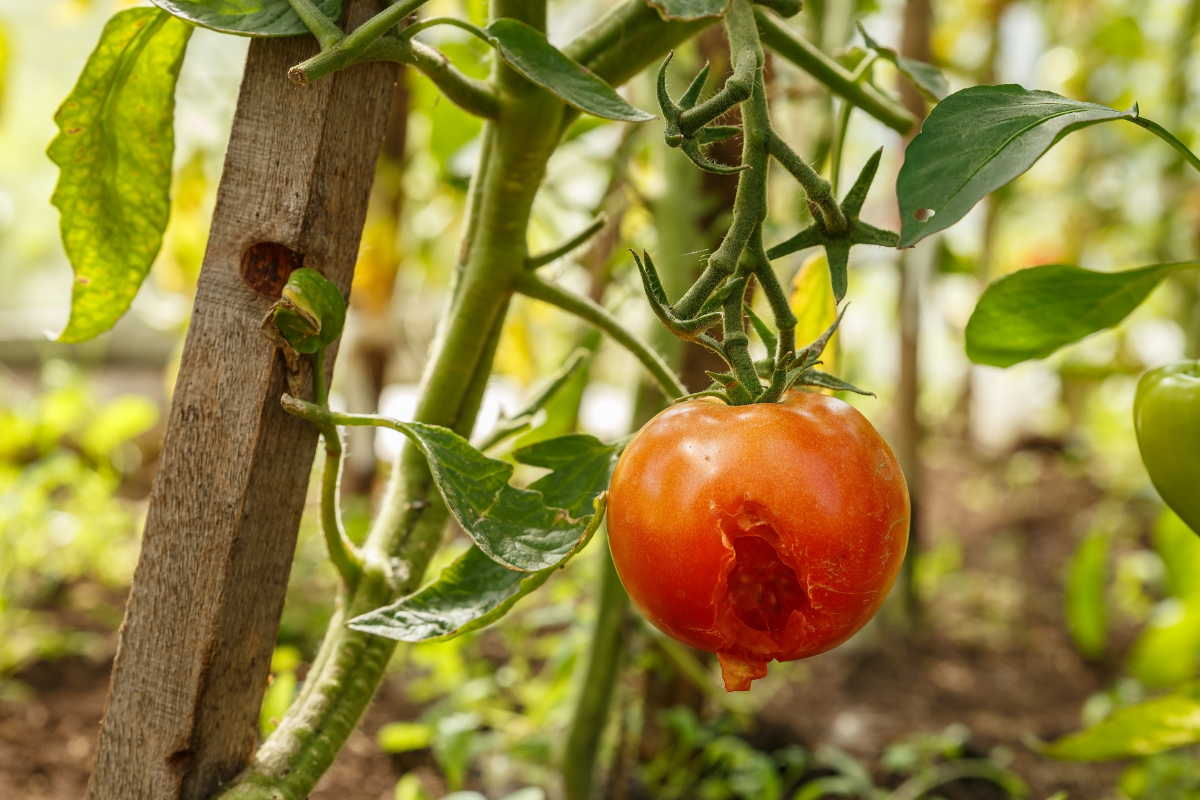
IPM is discussed often, but rarely implemented properly. This is especially true in greenhouses and urban farms, where pest pressure can escalate within days. In these controlled environments, pest outbreaks are mostly caused by management gaps, not chance.
In protected systems, IPM is not optional. It is the backbone of profitable production. With this context in mind, the strategies below are practical, realistic, and effective in greenhouses, screenhouses, and other urban production systems. These are approaches I have been applying for over six years.
How IPM works in protected and controlled environments
IPM is not the elimination of pests. It is the management of pest populations below economic damage levels using a combination of strategies. According to principles promoted by the Food and Agriculture Organization (FAO), effective IPM relies on prevention, monitoring, and targeted intervention, not routine chemical spraying.
In greenhouses, pests multiply faster because temperature is stable, crops are grown continuously, natural enemies are limited, and mistakes repeat quickly. This makes discipline and timing more important than chemical choice.
Prevention as your first and cheapest control tool
Most pest problems in greenhouses start before planting. If pests do not enter, you do not have to fight them.
Practical prevention measures include insect-proof netting (40–50 mesh) on vents and doors to block whiteflies, thrips, and aphids. Footbaths and hand sanitation at entry points are basic biosecurity that too many growers skip. Keep the area inside and around the greenhouse free of weeds, as they serve as pest reservoirs. Between crop cycles, build in crop-free breaks to disrupt pest life cycles. Any new seedlings should be quarantined for 7–10 days before introduction to the main growing area.
Monitoring so you are not farming blind
In IPM, what you do not monitor will eventually destroy you.
Yellow sticky traps catch whiteflies, aphids, and leaf miners. Blue sticky traps are more effective for thrips. Weekly leaf inspections, with a focus on the underside of leaves, remain one of the most reliable scouting methods. Keep simple pest scouting records that log the date, pest type, location, and pressure level.
Monitoring should be scheduled, not emotional. Waiting until damage is visible means you are already late. Research supports this urgency. A study on greenhouse pest monitoring found that early detection through systematic scouting and sticky traps reduced the need for chemical interventions by up to 50% compared to reactive spraying (Bielza, 2008).
Cultural control to reduce pest comfort
Pests thrive where crops are stressed. Healthy plants are more resilient than stressed ones.
Avoid over-fertilization with nitrogen, as excess nitrogen attracts aphids and whiteflies. Maintain balanced irrigation, because water stress invites spider mites. Improve air circulation to reduce populations of humidity-loving pests. Practice crop rotation even within greenhouses, and remove and destroy heavily infested plants immediately rather than hoping they recover.
Biological control and the use of living allies
Biological control works best in well-managed, low-chemical systems. Predatory mites (Phytoseiulus persimilis) target spider mites effectively. Parasitic wasps (Encarsia formosa) are widely used against whiteflies in greenhouse production. Beneficial insects should be released preventively, not reactively.
Biologicals fail when broad-spectrum pesticides are used carelessly, when release timing is wrong, or when monitoring is poor. The ecosystem function of biological control is estimated to have an annual value close to $400 billion globally, compared to the roughly $8 billion spent on insecticides each year (Pimentel et al., 1997). In greenhouse settings specifically, augmentative biocontrol programs using Encarsia formosa and Phytoseiulus persimilis have become standard practice in European greenhouse production since the 1990s (van Lenteren, 2000).
Biological control is management-intensive. It demands attention and consistency, but when implemented properly, it reduces long-term costs and chemical dependency.
Chemical control with precision, not panic
In IPM, chemicals are tools of last resort, not the foundation.
Spray only when thresholds are reached, not by calendar. Rotate modes of action to prevent resistance. Use target-specific products where possible and apply at the right pest life stage, whether eggs, nymphs, or adults. Ensure full coverage, especially of the leaves' undersides. Always follow safe application guidelines and consult a licensed agronomist before selecting products.
Routine spraying creates resistant pest populations and wipes out beneficials, making future control harder and more expensive. Insect pests have now evolved resistance to all known classes of insecticides globally, making mode-of-action rotation and threshold-based spraying more critical than ever (Sparks & Nauen, 2015).
Common IPM mistakes in greenhouse and urban farming
The same errors appear across operations of every size. Preventive spraying without monitoring tops the list. Ignoring early low-level infestations is another frequent mistake, as is scaling production without scaling IPM capacity. Many growers use chemicals to compensate for poor management rather than fixing the underlying problem. And perhaps the most damaging habit of all is waiting for visible damage before acting.
In protected systems, small mistakes scale into big losses fast.
IPM is a management mindset
IPM is not a product. It is not a single spray. It is a system of disciplined decisions.
In greenhouse and urban farming, profitability depends on consistency over intensity, prevention over reaction, and knowledge over panic. A grower who masters IPM does not fight pests constantly. They stay ahead of them.