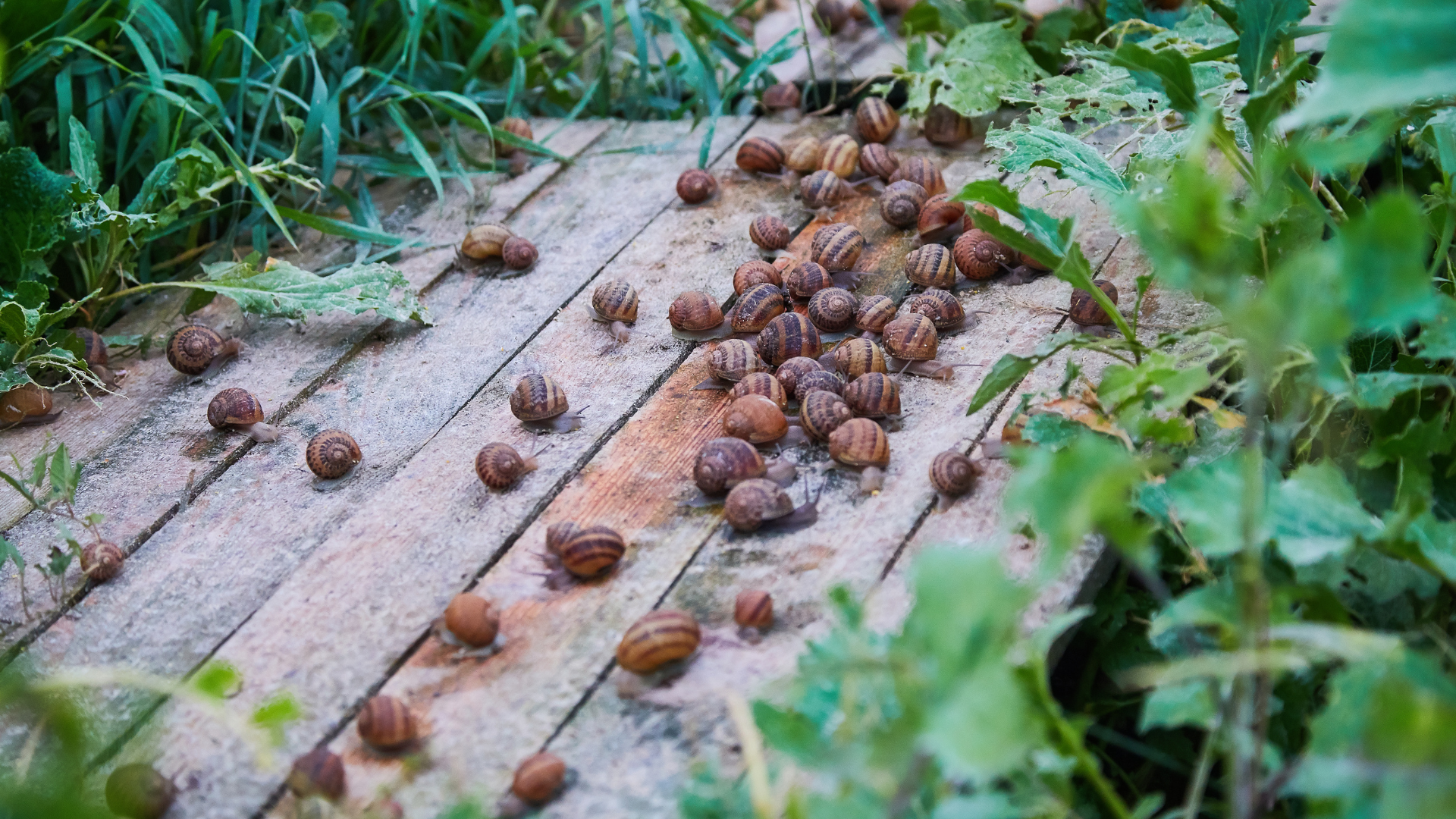
Snail farming, also known as heliciculture, is becoming popular as a sustainable and profitable agricultural practice. Whether you are a small-scale farmer or someone interested in starting a commercial venture, snail farming offers an excellent opportunity with relatively low investment and manageable risks. This guide covers everything from selecting the right snail species to ensuring a productive and sustainable farm setup.
Why Snail Farming?
As the global demand for sustainable and eco-friendly farming increases, snail farming is becoming a profitable and resource-efficient option for farmers worldwide. In recent years, snail farming has become a go-to venture for farmers seeking to diversify their income, thanks to its low entry barriers and high profitability.
Snails are highly sought after for their meat and are considered a delicacy in many parts of the world. Additionally, snail farming supports sustainable agriculture, requiring minimal land and resources compared to livestock farming.
Key Benefits of Snail Farming:
- Low startup costs
- Minimal land and resource requirements
- Sustainable and eco-friendly farming option
- High demand in local and international markets
Choosing the Right Snail Breeds
Choosing the right species is essential to ensure the success of your snail farm, as different snails thrive in varying conditions. There are several species of snails suitable for farming, but the most commonly farmed are:
Achatina achatina (Giant Tiger Land Snail): Known for its large size, fast growth and high reproduction rate. Many farmers prefer this species. It thrives in warm, humid environments, ideal for tropical regions.
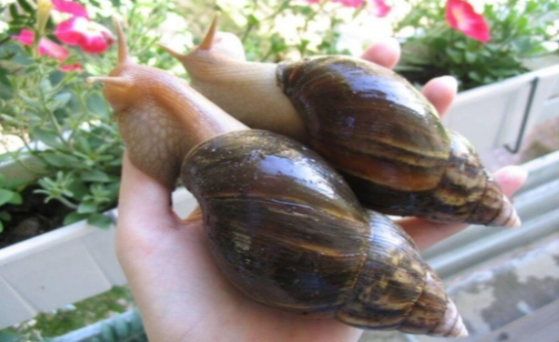
Archachatina marginata (Giant West African Snail): This species matures more slowly but exhibits a high resilience to varying environmental conditions, making it suitable for both small and large-scale farming. It produces high-quality meat and demonstrates a relatively strong disease resistance.
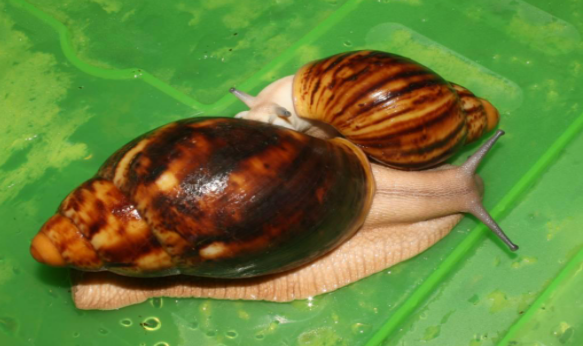
Achatina fulica: This is a smaller species that is easier to manage compared to other breeds. It is well-suited to tropical and subtropical climates, thriving in areas with moderate humidity and temperatures between 20 to 30°C (68 to 86°F). Achatina fulica is known for its resilience and ability to adapt to different environmental conditions, although it is less resistant to colder temperatures and may require additional care in cooler regions. This species is often favoured by beginner farmers due to its manageable size and relatively fast growth cycle.
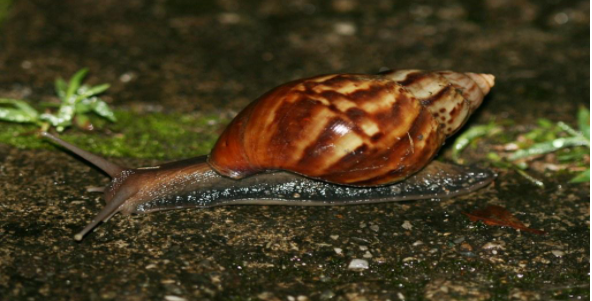
Helix aspersa (Garden Snail):
Popular in Europe and other temperate regions, the Helix aspersa is prized for its high-quality meat. This species thrives in temperate climates with mild winters and moderate humidity levels. It is more resistant to colder temperatures compared to tropical species like Achatina achatina, but it still requires protection from extreme frost. Helix aspersa has a moderate growth rate and adapts well to environments with consistent moisture, though it does not tolerate overly wet or waterlogged soil.
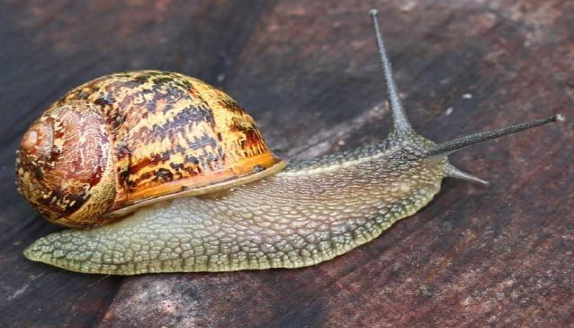
This breed is often chosen by farmers in the Mediterranean and European regions where seasonal temperature variations are common. However, supplemental moisture during dry periods is necessary to maintain optimal conditions for growth and reproduction. Selecting the right species largely depends on the climate of your region and the market demand. For example, Achatina achatina and Archachatina marginata thrive in warm, tropical regions, making them the preferred choice for many African farmers.
Setting Up Your Snail Farm
Once you've chosen your species, the next step is to create a suitable environment for the snails to thrive. The setup does not have to be complicated, but it must meet a few essential requirements:
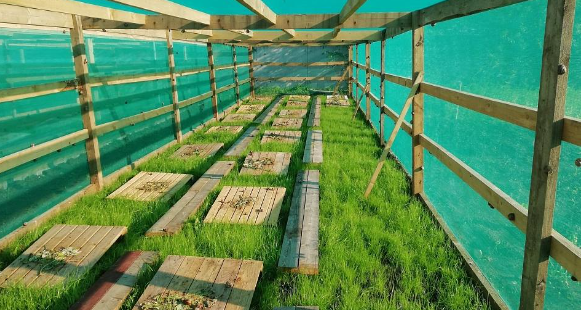
- Housing: Snails require a cool, shaded environment with adequate moisture. You can create snail pens using locally available materials like wooden boxes, concrete, or mesh enclosures. The pens must be protected from direct sunlight and predators such as ants, rats, or birds.
- Soil: Snails need loose, well-drained soil to burrow and lay eggs. The soil should be rich in calcium, which is essential for the snails' shell development.
- Moisture and Temperature: The ideal environment for snails is humid, with temperatures ranging from 25 to 30°C (77 to 86°F). You can maintain humidity by regularly sprinkling water on the soil and ensuring the area is sheltered from the wind and extreme heat.
Key Factors for Good Snail Housing
- Proper drainage to prevent flooding
- Shaded areas to avoid direct sunlight
- Soft soil for easy movement and laying eggs
Initial Investment Costs
Starting a snail farm can be affordable, especially for small-scale farmers. Here's a breakdown of basic costs:
Snail Stock: The cost of purchasing young snails or mature breeders varies depending on the species, the supplier, and the quantity. For a small-scale setup, you can start with as few as 10 to 50 snails. For example, Achatina achatina or Archachatina marginata snails can cost between $1 to $3 per snail, depending on their size and age. Therefore, an initial purchase of 50 snails could range from $50 to $150. The cost may vary further based on local availability, shipping (if needed), and the region you're farming in.
Housing Materials: Snail pens can be made from inexpensive materials such as wire mesh, wooden planks, or even old tires. Depending on the size and design of the enclosure, housing costs can range from low to moderate. For a small-scale farm, housing materials can cost between $50 to $200, depending on the size and quality of the enclosure.
Feeding: Snails are herbivores and require a balanced diet to grow and reproduce. Feed them vegetables like lettuce, cabbage, and carrots or special snail feed rich in calcium to promote shell development. In addition to vegetables, you can also grow crops like sweet potatoes and cassava, which are excellent food sources for snails. You may also feed them with plant leaves, which are often readily available at low cost.
Labor: Snail farming requires minimal labor compared to other livestock farming formats, reducing the overall operational costs.
Snail Reproduction and Care
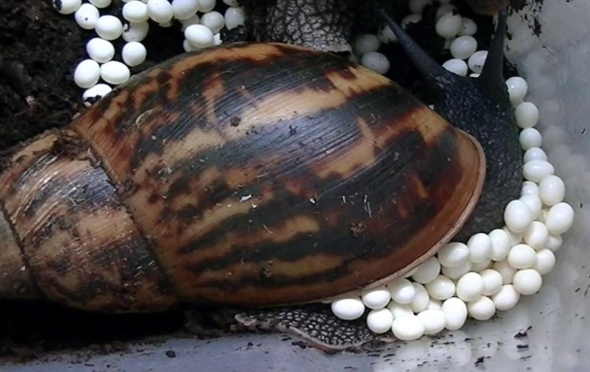
Successful snail farming depends not only on good housing and feeding but also on proper breeding practices. Snails reproduce by laying eggs in soft, moist soil. On average, snails can lay up to 200 eggs at a time. Depending on environmental conditions, the eggs hatch in about two to four weeks. Ensure that the soil is soft enough for the snails to burrow into and lay their eggs.
To boost reproduction rates, maintain a humid environment (ideally 75-95% humidity) and ensure that snails are well-fed with a calcium-rich diet. Calcium is crucial for shell development, as well as for the overall health of snails.
Calcium Intake Needs: On average, snails require a diet consisting of 20-30% calcium to support their growth, reproduction, and shell formation. A calcium deficiency can result in weak or deformed shells, which directly affects their survival and reproductive capacity. Farmers can meet calcium requirements by:
- Providing calcium-rich feed: Crushed eggshells, limestone powder, or bone meal can be added to the snail's diet.
- Commercial snail feed: Specially formulated feed with adequate calcium levels is also widely available.
Regular monitoring of the snails' diet and shell quality will help ensure optimal growth and reproductive rates.
Important Snail Feeding Tips:
- Feed snails with fresh vegetables like lettuce, cabbage, and carrots, and remove uneaten portions to avoid contamination.
- Provide calcium supplements regularly to support shell growth.

Common Challenges in Snail Farming
While snail farming is relatively easy, farmers may encounter some common challenges. Below are detailed issues and management strategies to ensure the snails remain healthy and productive:
Pests and Predators
- Birds, rodents, and ants pose significant threats to snails. These predators can enter snail pens and cause heavy losses.
- Management: Use protective mesh covers to prevent birds and rodents from accessing the snail pens. Ants can be kept at bay by placing barriers like ash or lime around the pen. Natural predators like frogs or toads can also be encouraged to reduce the ant population.
Diseases
- Common diseases include bacterial infections caused by poor hygiene or overcrowded conditions. Diseases such as foot rot and salmonellosis can cause mass die-offs in a poorly managed snail farm.
- Management: Maintain strict hygiene protocols by cleaning the snail pens regularly and providing adequate space to avoid overcrowding. Ensure proper drainage to avoid stagnant water, which fosters bacterial growth. Isolate and treat infected snails to prevent disease spread.
Weather Conditions
- Extreme weather, such as excessive rainfall, drought, or intense heat, can disrupt snail productivity.
- Management: Create well-drained and sheltered housing to prevent flooding during heavy rains. During hot or dry conditions, regularly moisten the soil to maintain an ideal humidity level of 75-95%.
Parasites
- Snails may be affected by nematodes or mites, which can feed on snails and cause illness.
- Management: Regular monitoring and the use of biological controls or safe, non-toxic treatments can help manage these pests. Removing leftover food also prevents the buildup of parasites in the pens.
Farmers can minimize losses and ensure their snails thrive year-round by staying vigilant and applying these management techniques.
References
- Ayodele, I.A. & Asimalowo, A.A. (1999). Essentials of Snail Farming. Nigerian Institute of Social and Economic Research (NISER).
- Cobbinah, J.R., Vink, A., & Onwuka, B. (2008). Snail Farming: Production, Processing, and Marketing. Agrodok Series No. 47, Agromisa Foundation.
- Hodasi, J.K.M. (1982). Heliciculture: The Biology of Snail Farming in West Africa. Ghana Journal of Science, Vol. 22.
- Ngenwi, A.A., Nfor, B.A., Neba, N.E., & Tabi, F.O. (2010). Snail Farming in Cameroon: A Sustainable Livelihood and Food Security Tool. Journal of Agricultural Science, 5(2). DOI.
- USDA (2020). Small-Scale Snail Farming and Sustainable Agriculture. U.S. Department of Agriculture.