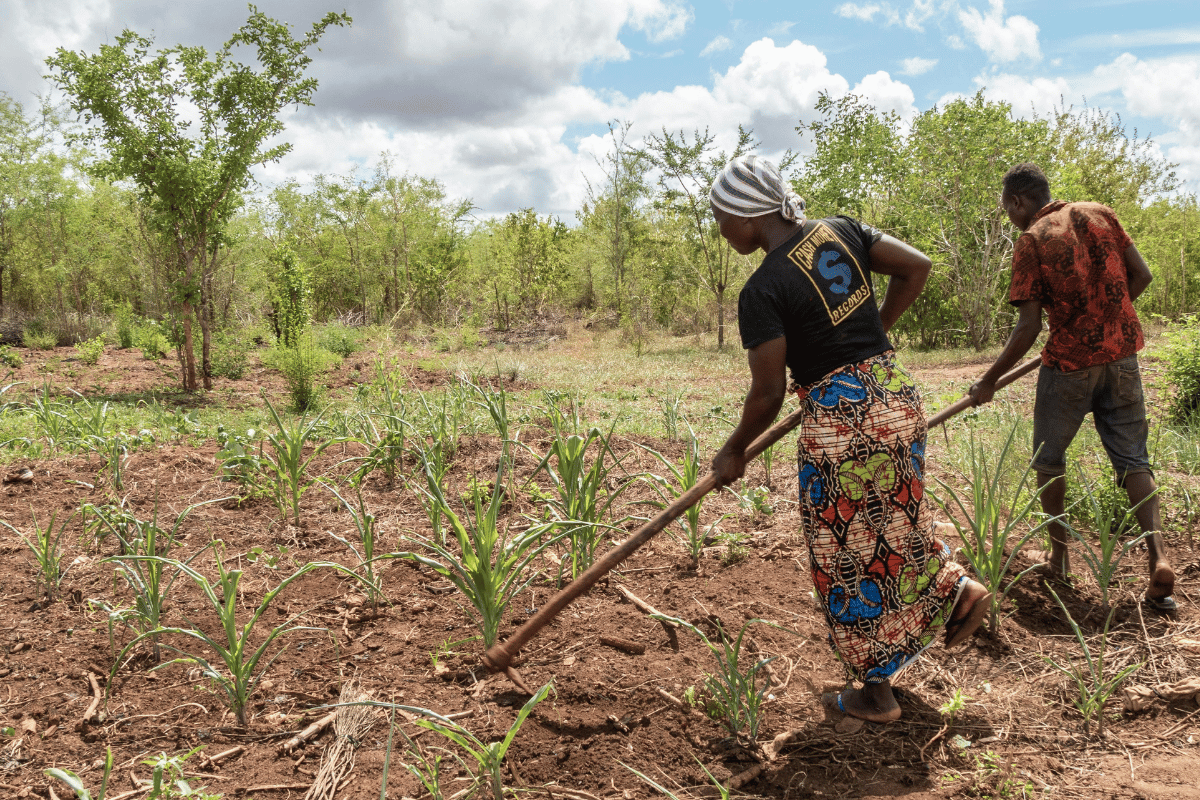
Picture a single farm where maize stands tall in neatly managed fields, goats and sheep graze on lush green grass, hundreds of broiler chickens move freely in an open yard, and a pond full of catfish and tilapia ripples under a midday sun. This is not a dream. It is integrated farming, and it is one of the most productive, sustainable, and economically resilient approaches to agriculture available to farmers today.
Integrated farming, also called mixed farming or integrated crop-livestock-aquaculture systems (ICLAS), is the deliberate combination of two or more agricultural enterprises on the same farm so that they support and benefit one another. Running each enterprise in isolation means spending more on inputs, generating more waste, and taking on more risk. The integrated farmer instead builds a self-reinforcing system where the output of one enterprise becomes the input of another.
This article walks you through what integrated farming looks like in practice, why it works, the economic and ecological advantages it offers, and how to build your own integrated system from the ground up.
What integrated farming is
At its core, integrated farming is about closing loops. Nature does not waste. Fallen leaves decompose into soil nutrients, animal waste feeds plants, and dying organisms nourish new life. Integrated farming borrows this logic and applies it to the farm.
Consider a classic example. The manure from cattle, goats, and chickens is collected and composted into organic fertiliser for the crop fields. The crop residues, the stalks, husks, and leaves, are fed back to the livestock as fodder. Fish pond water, rich in nitrogen from fish waste, is used to irrigate vegetable beds, and the vegetables in turn shade the fish pond and reduce algae overgrowth. Every enterprise feeds the next.
The common components of an integrated farm include several enterprises that can be combined in different ways.
Crop production: cereals such as maize, rice, and sorghum, along with vegetables, legumes, fruit trees, or cash crops.
Ruminant livestock: cattle, goats, and sheep, providing meat, milk, and manure.
Poultry: broilers for meat, layers for eggs, or dual-purpose breeds.
Aquaculture: fish ponds with catfish, tilapia, carp, or other species.
Agroforestry: trees integrated into crop or pasture land for timber, shade, and carbon sequestration.
Not every farm needs all of these. The right combination depends on land size, capital, local market demand, water availability, and the farmer's goals.
How the nutrient cycle works
The genius of integrated farming lies in how nutrients flow between enterprises instead of being lost as waste.
From livestock to crops. Animal droppings from goats, cattle, sheep, and poultry are among the most nutrient-dense natural fertilisers available. Poultry manure alone is rich in nitrogen, phosphorus, and potassium. When it is properly composted and applied to crop fields, it can significantly reduce or even eliminate the need for expensive synthetic fertilisers, and farms that manage their manure well often cut fertiliser costs substantially.
From crops to livestock. After harvest, the farm is full of biomass, including maize stalks, bean husks, sweet potato vines, cassava peels, and grass cuttings. Instead of burning this as waste, the farmer turns it into livestock feed. This sharply reduces the cost of purchased animal feed, which is one of the highest input costs in livestock and poultry production.
From fish ponds to crops. Fish pond water accumulates ammonia and organic matter from fish excretion. Pumped out during routine pond management, this water becomes a powerful liquid fertiliser that boosts the yields of vegetable plots and fruit trees without chemical inputs.
From crops to fish ponds: Agricultural by-products such as broken grains, cassava peels, maize bran, and vegetable trimmings can supplement fish feed. Duckweed grown on the pond surface also feeds the fish naturally. Both practices cut commercial fish feed costs.
The economic case for integrated farming
Diversified income streams
A farm dependent on a single crop or animal is vulnerable. A drought can wipe out a cereal harvest, a disease outbreak can devastate a poultry flock, and a market price crash can destroy a season's earnings. The integrated farmer earns from several sources at once, including grain sales, livestock markets, egg and milk production, and fish harvests, so no single failure is catastrophic.
Reduced input costs
Because enterprises share inputs, with manure replacing fertiliser and crop residues replacing feed, the overall cost of production per enterprise falls. This is the efficiency dividend of integration, and farmers consistently report meaningfully lower input costs per unit of output than in specialised monoculture systems.
Higher land productivity
Integrated systems produce more value per hectare than any single enterprise alone. A one-hectare farm running crops only might generate a modest annual income. The same hectare running crops alongside poultry, goats, and a small fish pond can multiply that output several times over, without requiring any more land.
Year-round cash flow
Different enterprises have different production cycles. Fish may be harvested every four to six months, poultry broiler cycles run six to eight weeks, goats kid twice a year, and crops are harvested seasonally. Combined, these create a flow of income throughout the year instead of a single payday, which improves household financial stability and reduces the need to borrow.
Food security and nutrition benefits
Integrated farms are nutrition factories. A single household farm running this system can produce carbohydrates from grain crops, protein from fish, eggs, and meat, calcium and fat from dairy animals, and vitamins and minerals from vegetables. This dietary diversity addresses the hidden hunger of micronutrient deficiency that affects millions of farming families, and children in particular.
At the community level, integrated farms supply more varied food to local markets, which helps stabilise food prices and improve access to nutritious food across the year. This matters especially in rural communities where food supply chains are limited.
For smallholder farmers, who make up the majority of the world's food producers, integrated farming can be the difference between subsistence and surplus. When a family produces food for its own table and sells the surplus, it moves from food insecure to food secure, and in time to economically resilient.
Environmental and sustainability advantages
Reduced chemical dependence. By cycling organic waste as fertiliser and feed, integrated farms sharply reduce their reliance on synthetic inputs. This lowers production costs, reduces chemical runoff into waterways, and improves soil health over time. Healthier soil means better yields in later seasons without additional investment.
Improved soil health. Continuous monocropping depletes soil. The organic matter from animal manure and crop residues returned to the land rebuilds soil structure, improves water retention, and boosts microbial activity. Integrated farms tend to show improving soil fertility over time instead of the degradation common in intensive monoculture.
Water efficiency. Water used in fish ponds, livestock watering, and irrigation is cycled and reused instead of wasted. This is particularly important in semi-arid regions where water availability is a limiting factor.
Lower carbon footprint. Producing several outputs from the same land while minimising purchased inputs means integrated farming generates fewer greenhouse gases per kilogram of food produced than specialised, input-intensive systems. This matters as the agricultural sector faces growing pressure to decarbonise.
Biodiversity and ecosystem resilience. A farm with crops, trees, ruminants, poultry, and fish supports a richer ecosystem than a monoculture field. Biodiversity on the farm translates into resilience, since diverse systems are better able to absorb shocks from climate variability, pests, and disease.
Building your integrated farm
Step 1: Assess your resources
Begin with an honest inventory of what you have, including land size, water access, capital, labour, and existing infrastructure. You do not need a large farm to start. Many successful integrated systems begin on half a hectare to two hectares.
Step 2: Start small and layer gradually
Do not try to build everything at once. A practical starting point is to combine one crop enterprise with one animal enterprise, for example a maize or vegetable plot with poultry. Once the system is running and you understand the nutrient flows, add a fish pond or small ruminants.
Step 3: Map your nutrient flows
Draw a simple diagram of your farm and map where the waste from each enterprise will go and what it will become. This is more than planning, it is the core of integrated system design, and the goal is for no waste to leave the farm.
Step 4: Invest in appropriate infrastructure
The key infrastructure includes manure composting areas, a reliable water source such as a borehole, pond, or rainwater harvesting, secure animal housing that protects against predators and disease, and storage facilities for harvested crops and feed.
Step 5: Keep records
Track the inputs, outputs, costs, and revenue for each enterprise separately. This shows which combinations are most productive and profitable, and where there is room for improvement.
Step 6: Connect to markets
As an agricultural economist, my advice is to know your market before you scale. Identify buyers for your fish, poultry, livestock, and grain. Integrated farms that are well connected to local markets, through cooperatives, farmer groups, or direct sales, consistently outperform those that sell opportunistically.
Common challenges and how to address them
Disease transmission between species: Keeping adequate physical separation between poultry and fish ponds, maintaining vaccination schedules, and practising good biosecurity through foot baths and restricted farm access all reduce the risk of cross-contamination.
Management complexity: Running several enterprises at once requires more skill and attention than monoculture farming. Farmer training, joining farmer groups that share knowledge, and starting small before scaling all help to manage this.
Capital requirements: Setting up infrastructure for several enterprises has upfront costs. Start with the lowest-cost additions first, since crop-poultry integration is typically the cheapest entry point, use profits to reinvest, and explore agricultural credit facilities or cooperative financing.
Water management: Aquaculture requires a consistent water supply. Plan your water infrastructure carefully and consider rainwater harvesting or small dams to buffer against dry spells.
A farming model worth building
Integrated farming is not a new idea. Traditional farming communities around the world have practised some form of it for centuries. What is new is the growing body of evidence, technology, and policy support that is making it more accessible, more productive, and more profitable than ever before.
For the farmer looking to build resilience, increase income, improve family nutrition, and farm sustainably, integration is one of the most powerful tools available. It demands more planning and management than monoculture, but the economic, environmental, and nutritional returns justify the investment many times over.
The future of food security does not lie in expanding the frontier of farmland at the expense of forests and ecosystems. It lies in using the land we already farm more intelligently, and integrated farming is how we do that.