


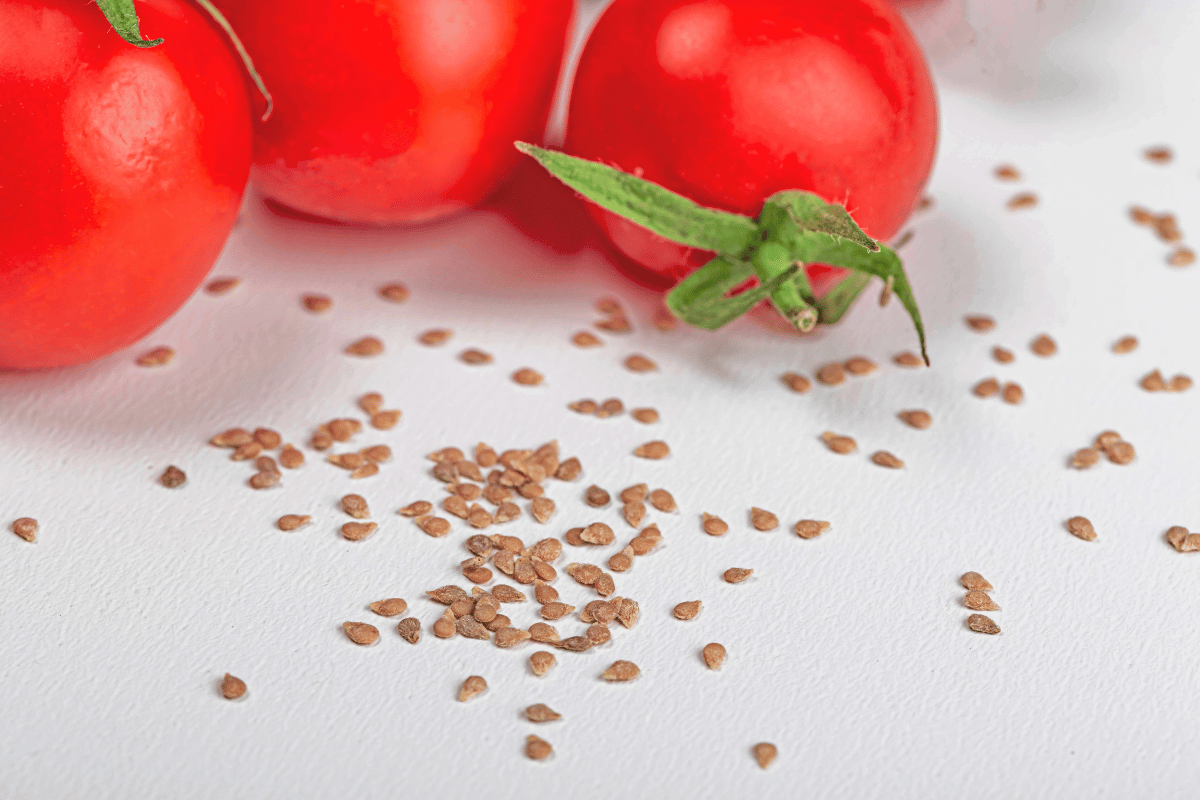
Hybrid tomato seed production is both an art and a science—a meticulous blend of research-based techniques, timing, and hands-on field experience. As global demand for disease-resistant, high-yielding tomato varieties grows, mastering precision seed production has never been more important. Drawing from years of expertise in East Africa, particularly Tanzania, this guide offers a farmer-friendly, step-by-step roadmap built on practical insights and the latest agricultural findings.
Why hybrid seed production matters
Hybrid seeds arise from carefully controlled crosses between genetically distinct parent lines, delivering hybrid vigor (heterosis) that manifests as stronger growth, uniform fruiting, and enhanced disease resistance. For seed producers, ensuring genetic purity and consistent germination is central to success.
Planning & field preparation: Setting the stage
- Parent Line Description (PLD): Keep detailed records of leaf shape, flower structure, fruit type, growth habits, and disease resistance. Routinely rogue (remove) any off-types to safeguard varietal purity.
- Isolation Distance: Maintain adequate separation between different parent lines to prevent accidental cross-pollination. This is especially vital when floral traits (like protruding styles) might elevate outcrossing risk.
- Crop Rotation & Soil Care: To reduce disease buildup, avoid planting solanaceous crops in successive seasons. Ensure soil pH remains between 6.0 and 6.8, and prepare well-drained, fertile beds rich in NPK, calcium, and magnesium.
Tools & instruments for controlled pollination
|
Tool |
Purpose |
|
Color-coded threads |
Tag emasculated flowers with the date |
|
Cotton swabs |
Handle pollen and clean floral parts |
|
Alcohol |
Sterilize tools and prevent contamination |
|
Fine tweezers/pin set |
Remove anthers precisely |
|
Ice cubes / cool box |
Preserve pollen viability |
|
Labeled containers |
Store pollen and tagged flowers |
|
Rings |
Support pollination sites |
The following are the materials required for efficient emasculation and pollination under greenhouse or field conditions:
- Planting Ratios & Scheduling: Aim for ~3–4 male plants per 10 female plants. Sow male lines about two weeks ahead so pollen is ready when the females bloom.
- Emasculation Timing: Remove anthers at the pre-anthesis stage, when flowers are mature but unopened. Tag each flower with a color-coded thread indicating the date. The stigma becomes receptive about 48 hours after emasculation.
Pollination: Delicate precision in action
Tomatoes are technically self-pollinating, but in seed production environments—especially greenhouses—manual assistance boosts success.
- Pollination Routine: Hand-pollinate 3–4 times weekly using cotton or brush to transfer pollen.
- Duration: For determinate varieties, maintain pollination efforts over 21–22 weeks to ensure even seed set.
- Environment Matters: Ideal temperatures are daytime 21–25 °C (~70–77 °F), nighttime 15–20 °C (~59–68 °F). Pollen formation and fertilization suffer above 32 °C (~90 °F) or below 10 °C (~50 °F). High daytime humidity (80–90%) and moderate nighttime humidity (65–75%) enhance fertilization. If heat threatens flower set, a gentle mist over blossoms can improve success by cooling and aiding pollen release.
Managing pests & diseases smartly
Primary threats include fruit borers, aphids, whiteflies, early blight, TMV (tomato mosaic virus), and TYLCV. Strategies:
- Biologicals: Neem oil, Trichoderma
- Fungicides: Products like Dithane M-45, Benlate (used judiciously)
- Physical barriers: Insect nets in nursery and greenhouse zones
Harvesting & seed processing
- Harvest: Once fruits are fully ripe and red, collect for seed extraction.
- Fermentation: This breaks down mucilage and neutralizes TMV.
- Cleaning: Rinse thoroughly, then disinfect to reduce microbial risk.
- Drying: Aim for about 8% moisture since dry seeds properly in ventilated conditions.
- Finishing: Winnow, sieve, sort, and grade seeds for size and quality.
- Treatment: Use HCl or other agents (as appropriate) to eliminate seed-borne pathogens.
Storing for success
Ensure longevity and traceability with thoughtful post-processing:
- Storage: Cool at 4–6 °C (39–43 °F), moderate humidity (45–50%), which supports long-term viability.
- Labeling: Include variety, germination percentage, weight, lot number, packing date, processing instructions, origin, treatments, and producer info.
Breeding upgrades: Beyond basic hybrid techniques
- Male Sterility Systems: Reduce manual emasculation labor by using genetic or cytoplasmic male sterility.
- Marker-Assisted Selection (MAS): Employ DNA markers to confirm hybrid purity.
- Advanced Tools: Techniques like protoplast fusion and haploid culture speed up trait integration and breeding cycles.
Why it matters globally (and locally)
Innovative seed producers in the U.S., Portugal, and Brazil already reach yields above 70 t/ha (~62,000 lb/acre) with hybrid varieties. These high standards are driven by disease resistance, uniform fruit quality, extended shelf life which is key for export markets. By using strategic planning and strict field protocols, local seed businesses in Tanzania can match global players. Farmers benefit from consistent, premium-quality seed—empowering reliable local production and export opportunities.
Ready to collaborate?
Services Offered:
- Consultancy for seed firms and NGOs
- Farmer training in advanced hybrid seed production techniques
- Tailored hybrid seed programs aligned with local market needs
- PLD implementation and quality-control systems for genetic purity
References:
- Optimal pollination temperatures and humidity ranges (seedalliance.org)
- Temperature effects on pollination viability and blossom drop (sites.udel.edu, swfrec.ifas.ufl.edu)