



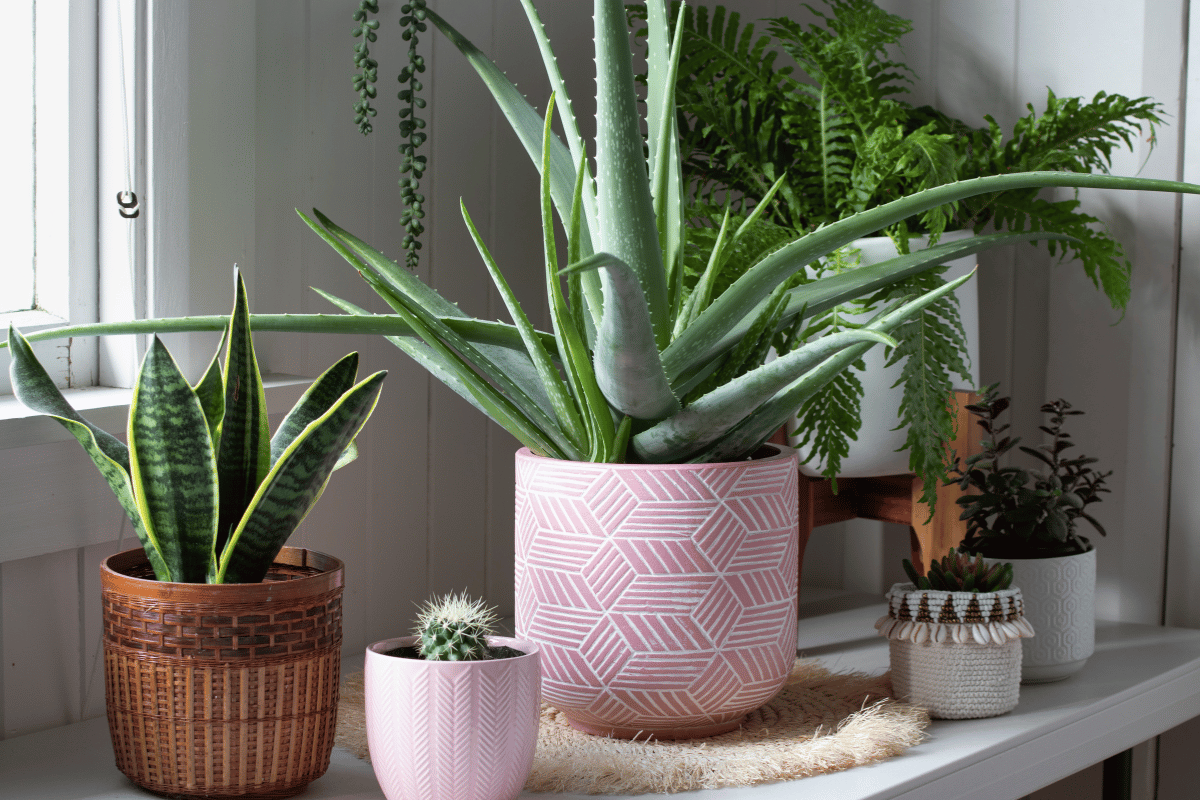
If you love surrounding yourself with indoor plants or consider adding a few more, you'll be happy to know they're doing more than just brightening your space. They're also quietly working to clean the air you breathe.
With most of us spending about 90% of our time indoors, air quality matters more than we often realize. Modern life releases pollutants from cleaning products, furniture, and electronics into our homes. But the good news? Houseplants can help fight back.
Let's explore how they do it, which ones work best, and how to get the most out of your leafy companions.
Why indoor air quality matters
Indoor air pollution is a real concern, especially in well-sealed, energy-efficient buildings. Common indoor pollutants include:
- Volatile organic compounds (VOCs), like formaldehyde, benzene, and ammonia
- Gases from everyday items: synthetic furniture, cleaning sprays, building materials, and even computers
These pollutants can cause "sick building syndrome," with symptoms such as headaches, nausea, breathing problems, and trouble concentrating. Over time, poor air quality is linked to serious health issues like asthma, COPD, and even lung cancer.
Here's some good news: Studies show that buildings with air-purifying plants see big improvements. People report fewer respiratory problems (down by 34%), less eye irritation (54% less), and fewer headaches (24% less) compared to spaces without plants.
How plants clean the air
The science behind plant air purification is fascinating. NASA’s famous 1989 study found that many common houseplants can remove up to 87% of VOCs from the air in just 24 hours1. Here’s how they do it:
- Photosynthesis: Plants absorb carbon dioxide and release oxygen, but they also take in pollutants through tiny leaf pores called stomata.
- Root zone synergy: The soil and microbes around plant roots help break down and neutralize harmful chemicals.
Some plants are better than others at this job. Studies testing 28 species found that certain varieties can remove impressive amounts of pollutants. For example, Hemigraphis alternata, English ivy (Hedera helix), Hoya carnosa, and Asparagus densiflorus are especially effective.
Top air-purifying plants for your home
If you already have houseplants, you might own some of these natural air filters:
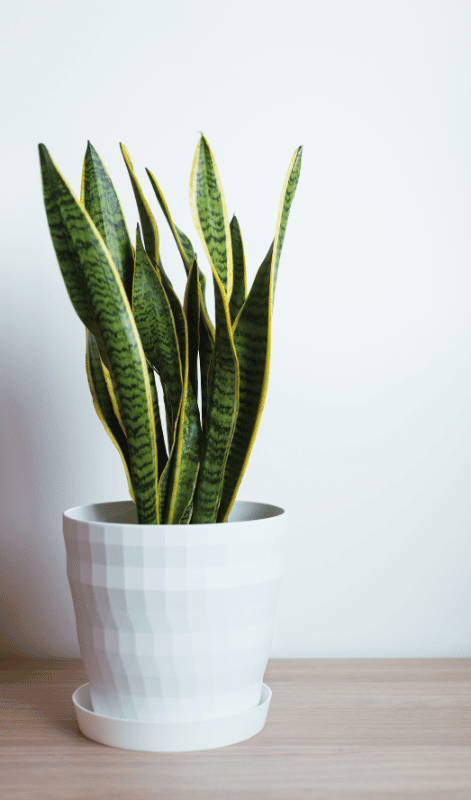
- Snake Plant (Sansevieria): This plant removes formaldehyde, benzene, xylene, and more. It's tough, thrives in low light, and even converts CO₂ to oxygen at night, making it perfect for bedrooms.
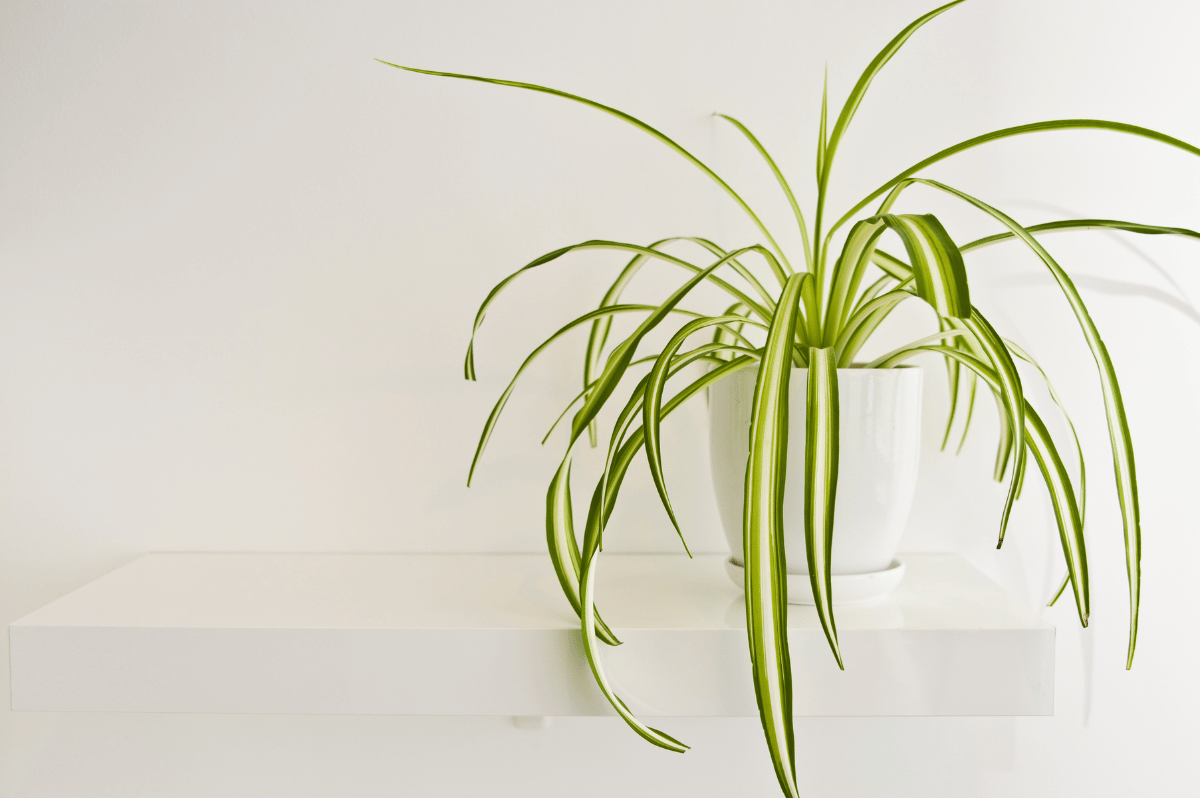
- Spider Plant (Chlorophytum comosum): Great at removing formaldehyde and easy to care for.
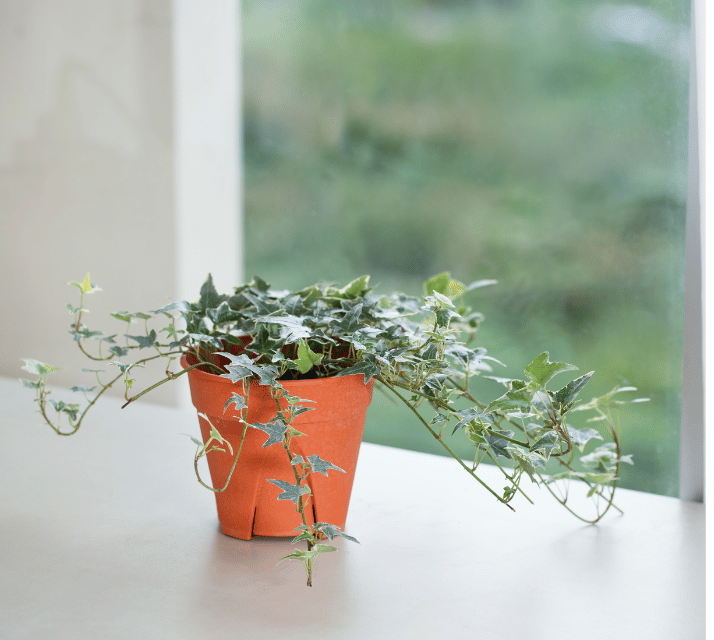
- English Ivy (Hedera helix): Excellent for filtering formaldehyde, benzene, and xylene. It may also help reduce airborne mold.
- Peace Lily (Spathiphyllum): Beautiful and effective at removing ammonia, benzene, and trichloroethylene.
- Aloe Vera: Cleans formaldehyde and benzene, plus you get soothing gel for cuts and burns.
- Boston Fern (Nephrolepis exaltata): Removes formaldehyde and xylene, and adds humidity to dry rooms.
Is it safe to sleep with plants in your bedroom?
One of the most common concerns about indoor plants involves their safety in bedrooms overnight. The persistent myth that plants "steal oxygen" at night has deterred many people from enjoying bedroom greenery, but scientific evidence definitively debunks this concern.
While plants release small amounts of carbon dioxide during nighttime respiration when photosynthesis stops, the quantities are negligible compared to human respiration. Research confirms that plants small enough to fit in a bedroom produce far less carbon dioxide than a sleeping human. A sleeping person releases significantly more CO₂ through normal breathing than a houseplant releases through respiration.
Getting the most from your plants
How many plants do you need? Studies suggest 1–2 medium-sized plants (in 15-20 cm or 6-8 inch pots) for every 16,7 square meters or 180 square feet of space. Bigger, fast-growing plants clean more air.
Where should you put them? Choose plants based on your room's light and temp
erature. For example:
- East-facing rooms: Great for herbs, spinach, and flowering plants like petunias.
- West-facing rooms: Try heat-loving plants like rosemary, lavender, or succulents.
Want to go further? Consider a living wall, a vertical garden that packs lots of plants into a small space and can include built-in air circulation for even better results. Genetically enhanced plants designed for extra air cleaning are even available, but traditional varieties work very well and are easier to find.
Caring for your air-purifying plants
Healthy plants clean the air best! Consider good potting soil, water consistently (but don't overwater), and ensure pots drain well. It is recommended to watch for pests like aphids or spider mites; natural remedies like neem oil or insecticidal soap work well and are safe for your home.
Final thoughts
Your houseplants are more than decoration. They’re powerful, natural air filters. With the right selection and care, they can significantly reduce harmful pollutants, boost your mood, and make your home healthier and happier. So keep nurturing your indoor jungle, knowing you’re making your environment cleaner and more beautiful every day.