


Introduction
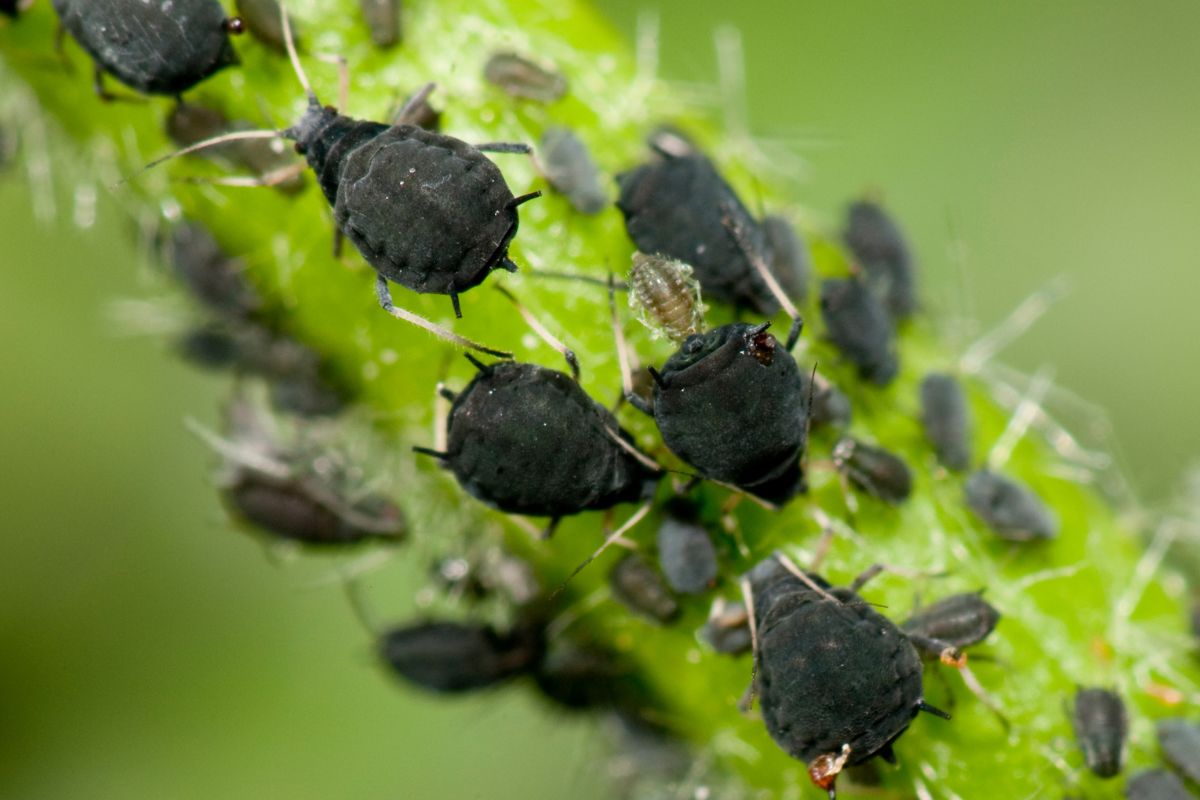
Aphids, though small and often overlooked, represent a significant threat to watermelon cultivation worldwide. Their impact extends beyond visible feeding damage, as they act as vectors for plant pathogens and disrupt the vital sugar transport mechanisms that determine fruit quality and yield. Understanding the sophisticated ways in which aphids affect watermelon physiology is essential for developing effective protection and management strategies.
The Crucial Role of Sugar Transport in Watermelon Fruit
A watermelon's sweetness and size rely directly on how efficiently the plant moves sugars (mainly sucrose and glucose) from the leaves, where photosynthesis occurs, to the developing fruits via the phloem. This process is facilitated by a series of specialized sugar transporters and channels within cell membranes, ensuring a steady supply of energy for the watermelon's growth and ripening.
Vector Inoculation and Disrupted Sugar Flow
Recent scientific studies have revealed that when aphids feed on watermelon phloem, they don't just extract sugars for their own benefit. They actively "hijack" or directly interfere with the plant's sugar transport genes to maximize their own sucking capacity. Key research has identified the role of vacuolar sugar transporter 1 (VST1) in this process.
VST1 plays a part in the unloading of sucrose and glucose into the phloem of sweet watermelons. It's been shown that mutating this transporter through genomic editing can significantly reduce aphid performance in watermelon by blocking their sugar supply from the phloem sap. In plants with a mutated VST1, there's less accumulation of sucrose and glucose in the phloem. This suggests that these sugars are crucial carbohydrate substrates transported by VST1 for aphid propagation and infestation.
This implies that the interaction between aphids and plants goes beyond simple passive sucking. Aphids can induce molecular changes in the plant that make it easier for them to access sugars, compromising the natural flow of these nutrients to the fruit. By neutralizing or redirecting these transport channels, aphids deprive the fruit of the essential nutrients it needs to reach its optimal size and sweetness, leading to significant losses in crop quality and yield.
Implications for Pest Management
Understanding this mechanism is vital for developing more effective pest management strategies. Instead of solely focusing on directly eliminating aphids, research suggests the possibility of developing watermelon varieties with greater intrinsic resistance to aphid interference in sugar transport. This could be achieved through traditional genetic breeding or genomic editing techniques that modify genes like VST1. This would make it harder for aphids to access their food source, thereby protecting the quality of the fruit.

Conclusion
Aphid vector inoculation in watermelon is more than just feeding damage. Their ability to manipulate and neutralize sugar transport channels represents a silent, sophisticated threat that directly impacts the accumulation of sweetness in the fruit. Research in this field is fundamental to protecting one of the world's most beloved crops.
References:
https://www.researchgate.net/publication/353965262_Loss_of_The_Phloem-Expressed_Sugar_Transporter_VST1_Reduces_Aphid_Performance_In_Watermelon/fulltext/611c627c1e95fe241adbc780/Loss-of-The-Phloem-Expressed-Sugar-Transporter-VST1-Reduces-Aphid-Performance-In-Watermelon.pdf
Sugar transporter VST1 knockout reduced aphid damage in watermelon
Further reading
Smart Harvesting & Market Moves for Mediterranean Watermelons in the 2025 EU Season
The Powerful Strategy of Intercropping Maize and Watermelon
8 things to consider when growing Watermelons in your Backyard
Growing Watermelons for Profit - Complete Growing Guide from Start to Finish
Biological control of fruit flies in citrus: Effective IPM approach
Greenhouse Whitefly (Trialeurodes vaporariorum): Biology, Damage & Control Methods
Pest, Disease and Weed Management
Pest and Weed Management in Lemon Orchards
A Traditional Treatment for Crop Health and Pest Management
Factors to Consider Before Tank Mixing Agrochemicals to Prepare the Spray Solution
Important Beneficial Insects as Natural Enemies of Crop Pests
The Growing Impact of Climate Change on Insect Populations
Integrated Pest (Disease & Weed) Management (IPM): Principles, Practices and Advantages