


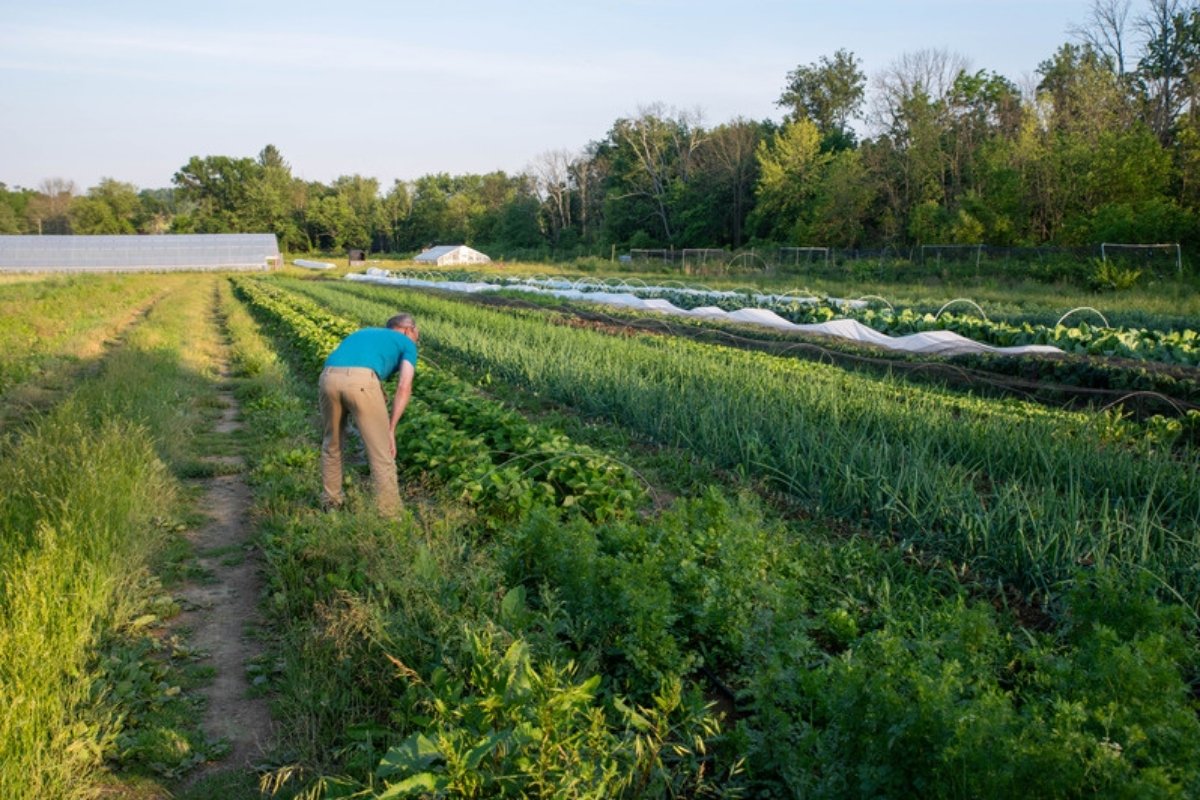
Looking back at my journey in agriculture, one thing stands out. Knowing how to grow a crop is only the start of successful horticulture. The rest is connecting good agronomy with water, markets, labour, records and sound business decisions.
I began as a farm hand and later worked in agricultural research, commercial horticulture, consulting, commodity broking and agricultural project management. Those roles showed me both the opportunities and the real barriers farmers face, and convinced me that young people can build viable horticultural businesses, provided they treat farming as a business as well as a production activity.
Learn the whole production cycle
My early years at Thornpark Estates and Khomani Estates taught me that there is much more to farming than planting. I worked with tomatoes, potatoes, carrots, onions, broccoli, green peppers and cauliflower, as well as mangetout, sugar snap peas, chillies and gooseberries, and my work covered land preparation, planting, irrigation, fertilisation, weed control, pest and disease management and harvesting.
At Khomani Estates I also saw warehouse operations and the sale of produce to export and local markets. That showed me how much of a crop's value depends on what happens after it leaves the field. For a young grower, the advice is to learn the whole chain, from production through harvesting and handling to marketing and sales.
Find the market before you plant
Later, as an entrepreneurial agronomist at Shoroma Commodity Brokers, I combined crop production with horticultural commodity broking, and the link between farming and markets became very clear to me.
A farmer can grow an excellent crop and still struggle if it cannot be sold at a price that covers the costs. Before planting, identify potential buyers and understand what they need in quantity, quality, timing, packaging and delivery. Alongside "can I grow this crop?", ask who will buy it, when they will buy it, and what it will cost to get it to them.
Plan the water before production starts
I have worked on irrigation scheduling in commercial production and later managed research on different irrigation methods and water qualities. In Oman, as a project manager, I coordinated trials on reusing oil-field wastewater for biosaline agriculture, covering 14 plant species with different irrigation methods, fertilisers and soil types.
That work confirmed that water belongs at the centre of the farm business plan. Understand how reliable the source is and what quality the water is, what the irrigation system can deliver, how large an area can realistically be irrigated, and what the crop needs. Do not invest in a large horticultural area before confirming that the water system can support it.
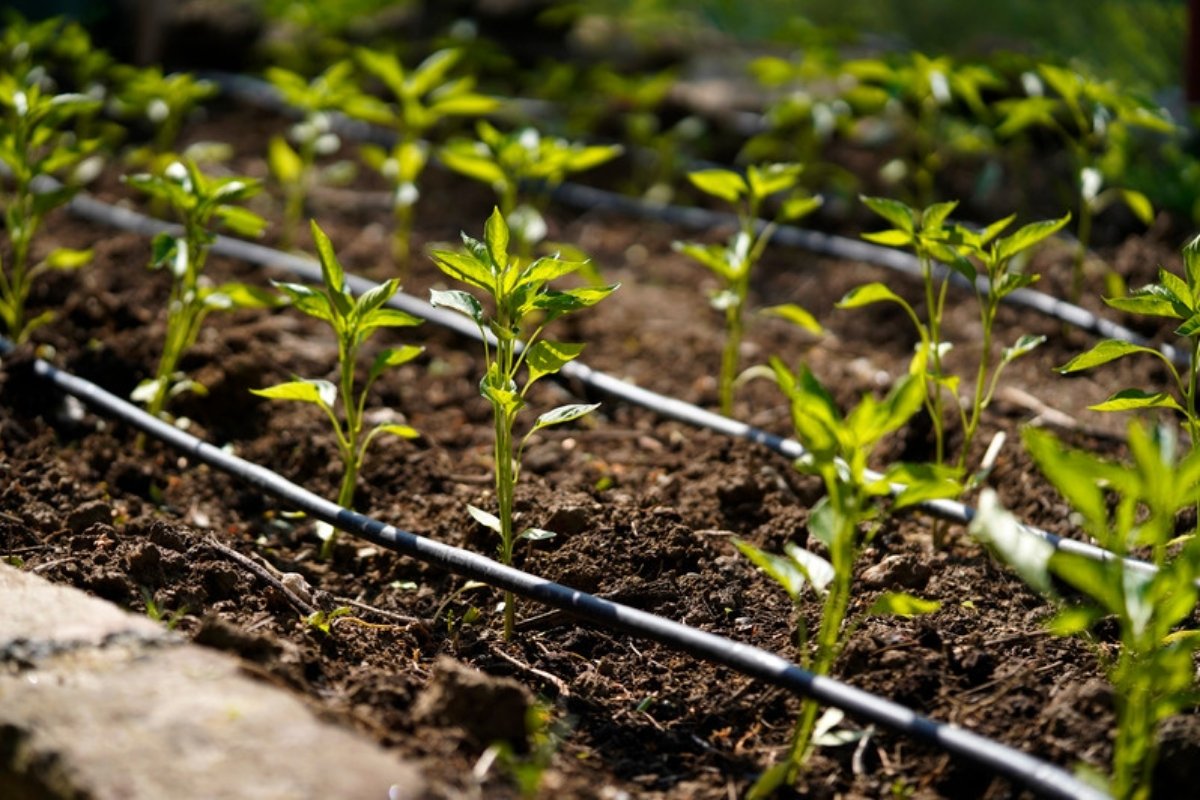
Water belongs at the centre of the farm business plan, so check what the source and the irrigation system can deliver before expanding.
Test ideas before scaling them up
Research has shaped how I approach farming decisions. Field trials, data collection and the evaluation of different practices, including the Oman trials on species, water quality, irrigation, fertilisers and soils, all teach the same thing.
The practical rule for young farmers is to test before you scale. If you want to introduce a new variety, fertiliser programme or production technique, try it on a manageable area first, keep records, and compare the results with your current practice. A small trial shows you the problems before they become expensive across the whole farm.
Good agronomy protects the money you have invested
As an agricultural consultant I trained large- and small-scale farmers and farm workers in fertiliser handling and application, pesticide and herbicide management, field operations, irrigation, harvesting, post-harvest handling and health and safety. I also worked with tea, macadamia, bananas, green beans, tobacco and avocados.
That experience showed me that technical knowledge has to be practical. Farmers need to know what to apply, and also why, when and how to apply it safely and effectively.
For horticultural growers, regular scouting matters most. Walk through the crop, watch for changes and act early, before pests or diseases have spread across the field. Irrigation, nutrition and weed control need the same regular attention.
Know your costs before you know your profit
A common barrier in farming is focusing on the selling price without calculating the full cost of production. Record seed, fertiliser, crop protection, labour, irrigation, land preparation, packaging, transport and every other cost.
Record keeping has been central to my own work. At BauerNimr I controlled project schedules and budgets and handled agricultural sampling, data collection and reporting. The same discipline works on a small farm. A notebook or a simple spreadsheet shows what was spent, how much was harvested, what was sold and what was lost, and without those records it is hard to know which crops and methods actually make money.
Post-harvest is part of production
Vegetables lose value through rough handling, poor sorting, unsuitable packaging, transport delays and poor storage, so plan the post-harvest process before the crop is ready. Know the buyer's quality requirements and handle the produce to meet them. What counts is the saleable kilograms you deliver, more than the kilograms you harvest.
Working capital is a real barrier
Young people entering horticulture tend to think first about land and production skills, but cash flow matters just as much. Inputs and labour have to be paid for long before the crop brings in any money.
Managing agricultural projects taught me to plan resources, schedules and budgets, and even a simple cash-flow plan makes a real difference on a small farm. Write down when money will be needed and when income is expected, and keep a reserve where you can. A broken pump, an unexpected pest problem or a late payment can quickly derail a project with no financial buffer.
Adapt other people's advice to your own farm
I have worked alongside farmers, farm workers, scientists, engineers, universities, government institutions and industry clients, and learned a great deal from all of them. Advice still has to be adapted to local conditions, because a practice that works in one soil, climate or market may fail in another. Combine advice with your own observation, records and small trials.
Start with what you can manage
Across farm operations, research, consulting and project management, I have come to see management, more than size, as the first measure of a farm's potential. For a young person starting in horticulture, I would focus on eight things.
Know your market: find your buyers before you plant.
Secure your water: understand your water before you expand.
Start at a manageable scale: expand once the system works.
Keep accurate records: of costs, production and sales.
Scout regularly: and respond early to problems.
Protect quality after harvest: until the produce reaches the buyer.
Test new ideas: before making large investments.
Treat the farm as a business: as well as a field.
Horticulture can create real opportunities for young people, but viable projects are built deliberately. Practical field skills become far more powerful when they are combined with research, good records, market knowledge and disciplined project management. Build a production system that consistently grows quality crops, reaches the market and earns a return, rather than planting the largest area possible. Once that foundation works, growth becomes a much better-informed decision.