


The rapid advancement of technology has transformed many aspects of human life, including agriculture. As innovative farming methods emerge, traditional practices are often seen as outdated or less efficient. Yet sustainable agricultural development does not call for replacing one system with another. It calls for finding ways to combine the strengths of both traditional farming and modern techniques such as hydroponics.
Bridging the gap between traditional farming and hydroponics means creating opportunities for both systems to complement each other. It means supporting farmers who rely on conventional methods while also introducing innovative solutions that improve productivity, resource efficiency, and food security. One practical place where these two systems meet is home gardening.
Understanding home gardening
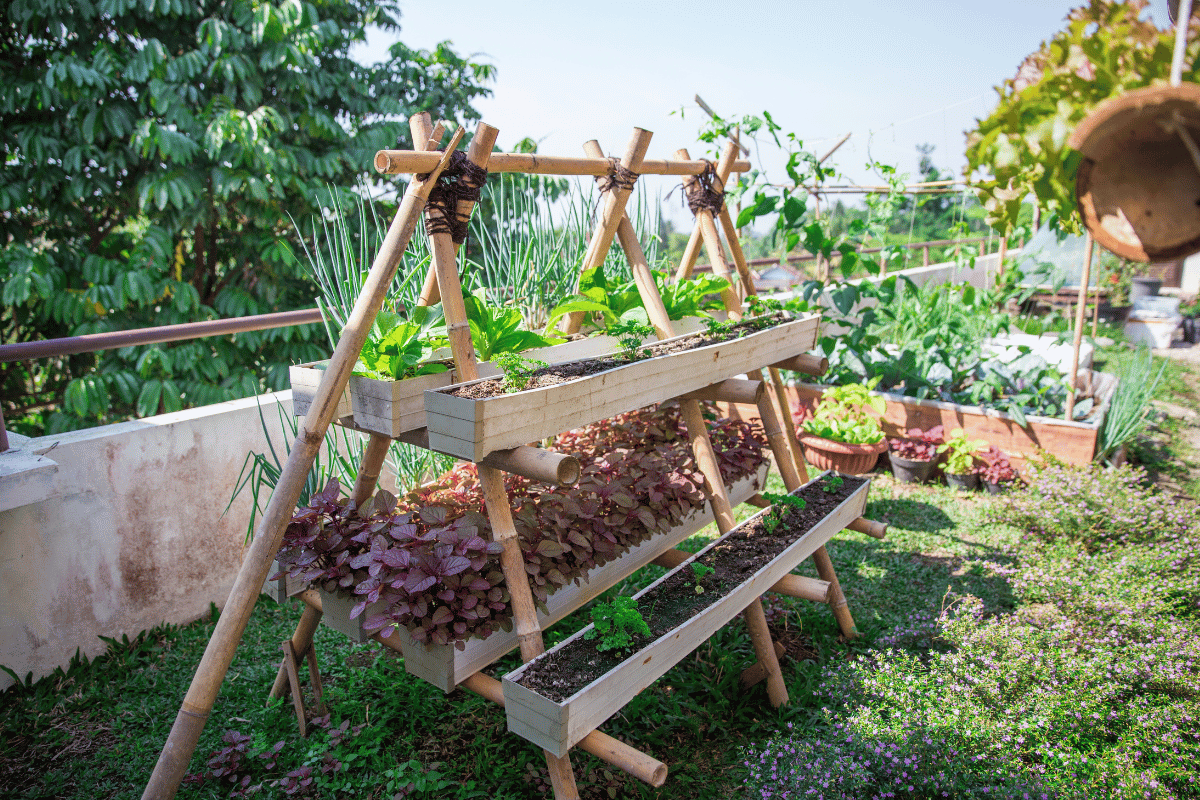
Home gardening is the cultivation of plants within or around residential spaces. It can be practised in backyards, on balconies and rooftops, and in containers, bottles, or any available space around a home. Home gardens can use either soil-based cultivation or soilless systems, which makes them accessible to traditional and hydroponic growers alike.
Why home gardening matters
With the global population projected to exceed 9 billion by 2050, the demand for food will keep rising. Experts estimate that global food production must increase by around 70% to meet future requirements. At the same time, critical agricultural resources such as land, water, labour, and capital are becoming scarcer and more expensive.
The challenge is made harder by climate change, environmental degradation, and unpredictable weather. In response, governments, agricultural experts, and communities are exploring new approaches to improve food security and nutrition. Home gardening has emerged as one such strategy because it is affordable, accessible, and able to supplement household food supplies.
Beyond food production, home gardens promote self-sufficiency, improve nutrition, reduce household expenses, and encourage sustainable agricultural practices at the community level.
Lessons from the field
Through my own experience with home gardening, I have found that it offers common ground where both traditional farming principles and hydroponic techniques can thrive. Traditional farmers often hold valuable knowledge about crop management, soil fertility, and seasonal cultivation. Hydroponic growers, for their part, benefit from efficient water use, controlled growing conditions, and the ability to cultivate crops in limited spaces.
Home gardening lets people adopt either approach, or combine the two, depending on the resources and needs they have. For instance, I planted sweet potatoes in the soil on the ground, and I also planted sweet potatoes in bags using a mix of rice husk, sawdust, and coco peat as the growing medium. They did very well in the bags. I managed space better, reduced the risk of weeds, and the plants looked far more attractive. There are many other examples where I combined and adapted both approaches to build a home garden.
How the three systems compare
Traditional farming is characterised by a dependence on soil cultivation, heavy reliance on weather conditions, the need for larger land areas, relatively low startup costs, seasonal production cycles, and greater exposure to pests and soil-borne diseases.
Home gardening offers flexibility through both soil-based and soilless cultivation, manual or automated watering, the use of small spaces around the home, inexpensive materials such as containers, bottles, and recycled items, lower financial risk for beginners, and plenty of room for experimentation and learning.
Hydroponic farming provides cultivation without soil, efficient use of water and nutrients, high productivity in limited spaces, the potential for automation and precise control, and reduced dependence on weather. Hydroponic systems do require regular monitoring and management, since system failures, power interruptions, or neglect can quickly affect crop performance, and the startup costs often discourage potential adopters.
Home gardening as the bridge
Home gardening works as a bridge between traditional farming and hydroponics because it introduces growers to innovative practices without demanding large investments. Traditional farmers can gradually experiment with soilless cultivation, while hydroponic enthusiasts can come to appreciate the value of conventional growing techniques.
By encouraging people to start small, learn continuously, and use the resources they already have, home gardening creates a pathway toward more resilient and sustainable food production. It removes the perceived divide between traditional and modern agriculture and shows that both approaches have valuable contributions to make.
A more food-secure future
The future of agriculture is best seen not as a competition between traditional farming and hydroponics, but as a chance to combine the strengths of both. Home gardening provides a practical and accessible platform for that integration.
From my own experience, I believe home gardening has the potential to transform how communities produce food, improve household nutrition, and build greater acceptance of innovative agricultural practices. By embracing home gardening, we can take a meaningful step toward bridging the gap between traditional farming and hydroponics while building a more food-secure future.