


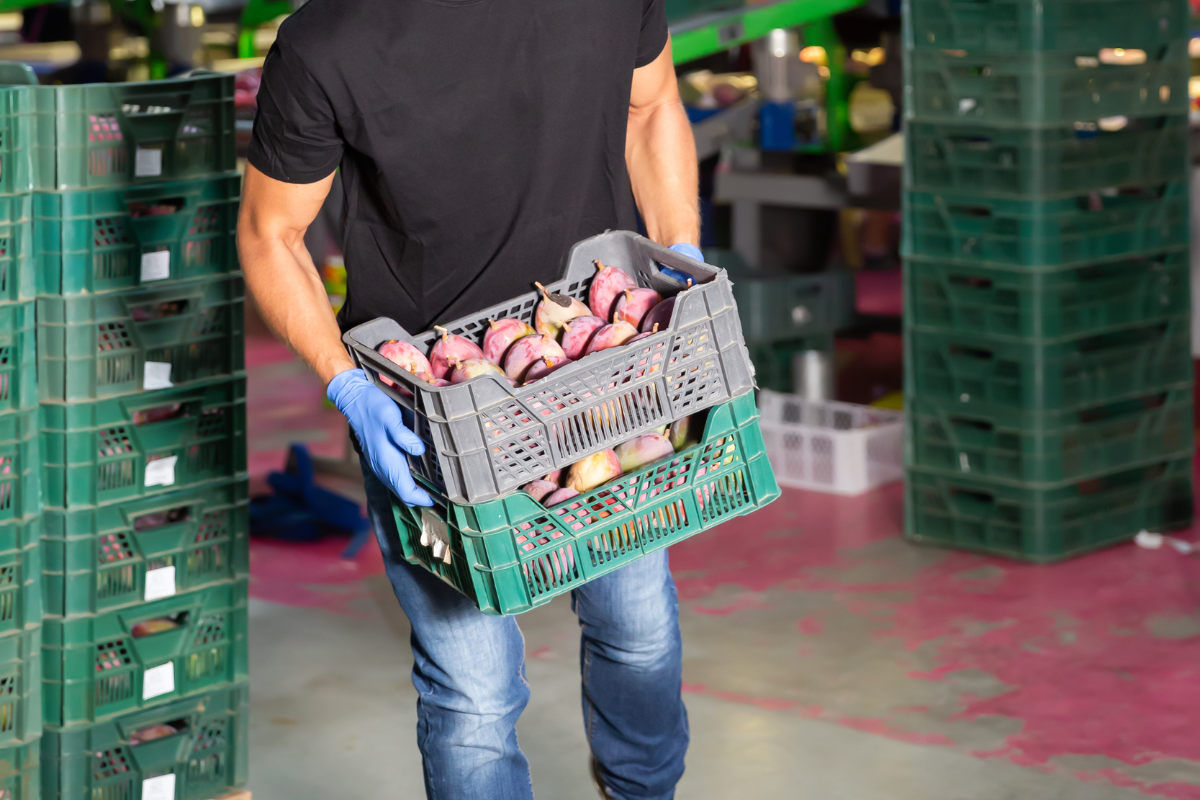
Heat and humidity affect shelf life in diverse ways across different crops. Understanding how these two factors interact is essential for every farmer and stakeholder in the agricultural value chain, particularly as climate patterns become increasingly erratic.
Grains and the risk of improper drying
Heat stress accelerates crop maturity. Grains mature faster, and harvest windows become shorter. If these grains are not properly dried, the remaining moisture, combined with high humidity during storage, leads to caking, which exposes them to fungal infestation and results in a loss of both grain quality and quantity. It is therefore critical that grains are well dried and stored properly in ventilated rooms. A 2025 systematic review of post-harvest losses in Sub-Saharan Africa estimated annual losses at 30–50% for key commodities, with climate change identified as a primary amplifying factor alongside biological threats and inadequate infrastructure.
Mangoes and accelerated ripening
Heat also affects the shelf life of mangoes. They are climacteric fruits, meaning they continue to ripen after harvest. Heat increases their ripening rate, reducing shelf life and making them difficult to store. In Nigeria, Benue State precisely, mangoes were traditionally ripe and consumable in April through May. But due to climate change and rising temperatures, mangoes are already ripe and ready to consume in February through March, and by April they are gone. A 2025 review confirmed that in West Africa, higher humidity and warmer temperatures have caused produce to rot in storage or transit, increasing food waste and reducing market availability, with smallholder farmers, particularly women and youth, bearing a disproportionate burden.
Yams and the interplay of heat and moisture
Heat and humidity also affect storage of yams. Heat increases microbial activity, and high humidity increases moisture accumulation. This interplay leads to rotting of yam tubers in storage. It is important that the farmer stores yams in aerated environments, such as under trees, and uses mulch materials like dried grasses to keep temperatures low.
Ginger and water loss after harvest
Another crop to consider is ginger. Excess heat can cause water loss, which leads to shrivelling. To maintain its freshness after harvest in December, mud is applied to the ginger rhizomes. This is done to decrease the rate of evaporation from the surface and reduce respiration from the ginger itself, extending its usable life.
The bigger picture for farmers
Heat speeds up metabolic activities such as respiration and ripening, while humidity creates favorable conditions for microbial growth. Together, they reduce the shelf life of crops and increase post-harvest losses. The Green Climate Fund's Re-Gain initiative specifically identifies the combined effect of high temperature causing spoilage, high humidity reducing shelf life and product quality, and changes in precipitation patterns causing on-farm crop loss as the primary climate-related drivers of post-harvest food loss in Africa.
Farmers and all stakeholders in the agricultural value chain must understand that the climate is changing. This requires deliberate steps at every stage of handling to minimize losses and support food security.
References
- Cogent Food & Agriculture / Taylor & Francis. (2025). From farm to fork: A review of strategies for sustainable reduction of post-harvest losses in Sub-Saharan Africa. Published 18 November 2025.
- Frontiers in Sustainable Food Systems. (2025). Impacts of climate change on food systems in Africa: A systematic review. Vol. 9.
- Green Climate Fund. (2023). Re-Gain: Scaling solutions for food loss in Africa.