


Cultivation of High-Value Medicinal Plants
This article will focus on and present the best practices for growing high-demand medicinal plants like aloe, lavender, rosemary, and echinacea, including soil requirements, climate conditions, and harvesting techniques.
Aromatic and medicinal plants, such as aloe, lavender, oregano, and chamomile, represent a significant part of the plant kingdom and are essential elements of traditional medicine around the world and modern pharmacology. The growing global demand for natural products and alternative therapies has led to a strong interest in the cultivation of medicinal and aromatic plants (MAPs). Currently, 90% of the total global production comes from just 17 plant species, while only 1-2% comes from native plants.
Many of the MAPs are important crops for pharmaceutical and cosmetic uses and for promoting agricultural development in low-productivity areas.
1. General Cultivation Principles
- Site Selection: Choose locations with good drainage, full sun exposure (minimum 6 hours/day), and protection from extreme weather or frost.
- Soil: A slightly alkaline to neutral pH (6–8) is ideal, depending on the species (lavender and rosemary prefer slightly alkaline conditions). Sandy or light loamy soils with good drainage are preferred.
- Cultivation Practices: Emphasize minimal soil disturbance, use of organic inputs, and appropriate irrigation where necessary.
- Harvesting: Plants should be harvested at the optimal growth stage to ensure maximum concentration of active compounds.
Cultivating MAPs requires intensive management, with conditions and duration depending on the desired quality, and in the absence of scientific data, traditional practices should be followed or adapted through research.
2. Plant-Specific Guidelines
Aloe & Rosemary: Thrive in warm, dry Mediterranean climates with full sun.
Lavender: Prefers dry summers and tolerates wind and poor soil. Moderately resistant to frost and drought.
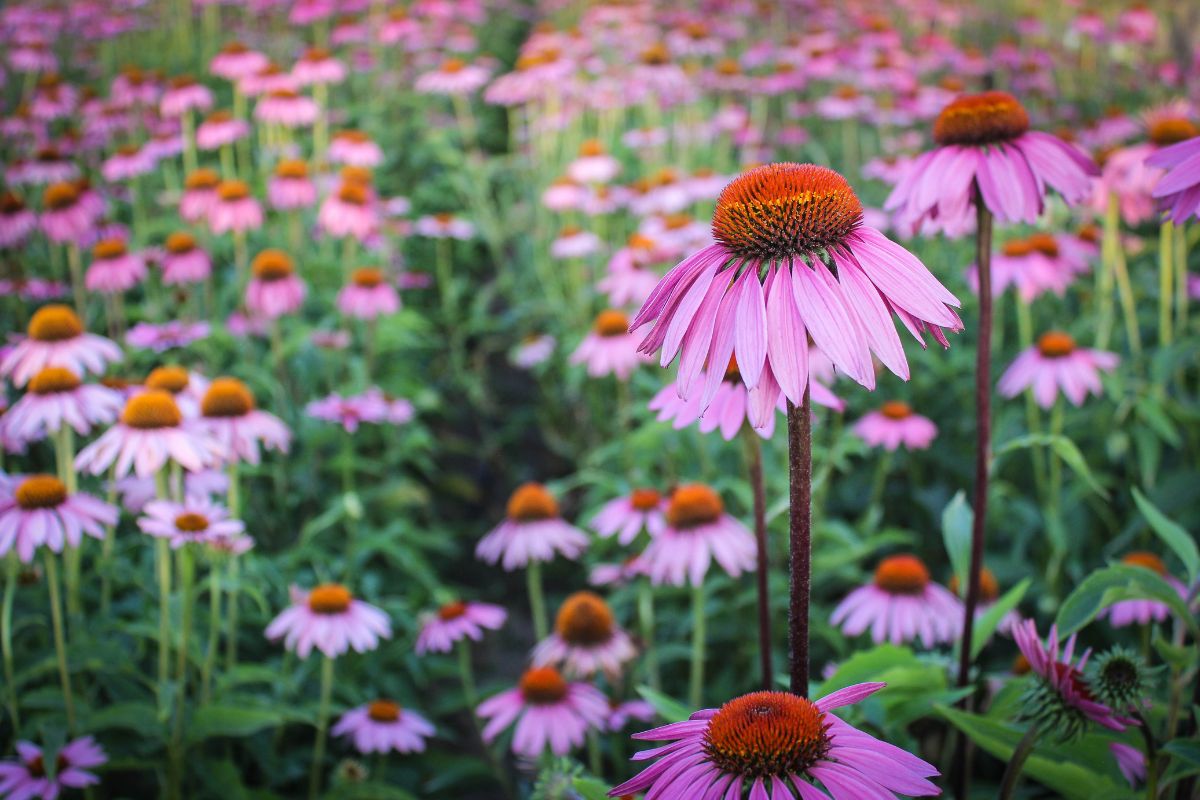
Echinacea: More adaptable to temperate climates, needs good sunlight but tolerates cold better. Depending on the species (E. angustifolia or E. purpurea).
Frost protection: In colder regions, mulch or protective covers are used during winter for frost-sensitive species.
3. Planting Techniques

- Planting density is determined by available moisture, the plant variety, crop size, and the requirements of mechanical harvesting operations. High planting densities mean higher installation costs but also lead to greater yields.
- Use healthy seedlings, root cuttings, or certified planting material to ensure disease-free starts.
- Plant in early spring or autumn, depending on the species and local conditions.
- Avoid monoculture — integrating herbs or legumes nearby can enhance biodiversity and help manage pests naturally.
4. Irrigation and Water Management
Drip irrigation is preferred for efficiency and disease prevention.
Water needs - Irrigation:
Aloe: every 2–3 weeks during dry periods, especially in the first year
Lavender: minimal once established. Ιs necessary during the first two years and at the flowering stage. Drip irrigation is recommended.
Rosemary: moderate; overwatering can be fatal.
Echinacea: regular in dry spells, especially during the first year and summer.
Important advice: Avoid wetting foliage to prevent fungal infections.
5. Weed and Pest Control
Use organic mulches, such as straw or wood chips, to suppress weed growth and retain soil moisture. Manual weeding is especially important during the early stages of plant development, while drip irrigation also helps regulate moisture levels and limits the spread of unwanted vegetation.
Pest management:
- Encourage beneficial insects (ladybugs, lacewings).
- Use neem oil or natural insecticidal soap for aphids and whiteflies.
- Rotate crops every 2–3 years to prevent soilborne diseases.
Soil solarization is recommended before planting, especially in the summer months. Covering moist soil with transparent plastic sheets for 4–6 weeks accumulates solar heat and helps eliminate weed seeds, nematodes, and soilborne pathogens, reducing the need for chemical treatments and improving overall soil health.
6. Nutrient Management - Nutritional Needs of Plants
- Use slow-release organic fertilizers or well-rotted compost before planting.
- Avoid excess nitrogen – it promotes leafy growth at the expense of essential oils and active compounds.
- For lavender and rosemary, minimal fertilization is best.
- Conduct leaf or soil analysis annually if possible.

7. Harvesting Techniques - How to Best Harvest Medical and Aromatic Plants
Timing is critical:
Lavender: Harvest should take place when the flower is fully mature and approximately 50% of the florets have opened– early morning for best essential oil yield.
Rosemary: Cut before flowering or early flowering stage, although it can be harvested all year long
Echinacea: Roots harvested in the fall of the second year by digging up to 50cm deep, without prior leaf harvesting to preserve yield; flowers at full bloom.
Aloe: Harvest mature outer leaves (4–5 per plant) every 6–8 weeks. Wait until the plant is at least 2–3 years old before beginning regular harvesting. Allow 6–8 weeks between harvests for leaf regrowth.
Important advice: Use sharp, clean, and sterilized tools to prevent contamination or plant damage. Additionally, it is important that you dry plant material in shaded, ventilated areas to preserve active compounds.
8. Post-Harvest Handling
- Dry herbs quickly at low temperatures (<40°C) to retain essential oils.
- Store in airtight, dark containers to avoid oxidation.
- For aloe, process the gel within hours of harvest to retain bioactivity.
- Maintain traceability and hygiene standards for commercial use (GACP protocols).
- Monitor for moisture content (<12%) to avoid mold.

9. Intercropping and Sustainability
MAP cultivation can be combined with low-input crops such as legumes or aromatic herbs to improve biodiversity and ecosystem resilience. Moreover, post-harvest processing into essential oils, tinctures, or herbal supplements can significantly increase the product's added value and profitability. This, however, also depends on the geographical region and whether the plant material is intended for use as a crude drug, culinary herb, or essential oil source.
References
Dordas, C. (2012). Aromatic and medicinal plants. Synhroni Paideia.
Duke, J. A. (2002). Handbook of Medicinal Herbs (2nd ed.). CRC Press.
https://www.taylorfrancis.com/books/mono/10.1201/9781420040463/handbook-medicinal-herbs-james-duke
Grieve, M. (1971). A Modern Herbal. Dover Publications.
https://archive.org/details/modernherbalmedi0002grie_s4m0/page/n5/mode/2up
Mocan A, Babota M, Pop A, Fizeșan I, Diuzheva A, Locatelli M, Carradori S, Campestre C, Menghini L, Sisea CR, Soković M, Zengin G, Păltinean R, Badarau S, C Vodnar DC, Crișan G. Chemical Constituents and Biologic Activities of Sage Species: A Comparison between Salvia officinalis L., S. glutinosa L. and S. transsylvanica (Schur ex Griseb. & Schenk) Schur. Antioxidants (Basel). 2020 Jun 2;9(6):480. doi: 10.3390/antiox9060480. PMID: 32498441; PMCID: PMC7346212.
WHO. (2003). WHO Guidelines on Good Agricultural and Collection Practices (GACP) for Medicinal Plants. World Health Organization.
https://www.who.int/publications/i/item/9241546271
Wogiatzi-Kamvoukou, E. (2018). Selection of aromatic and medicinal plants. Synhroni Paideia.