


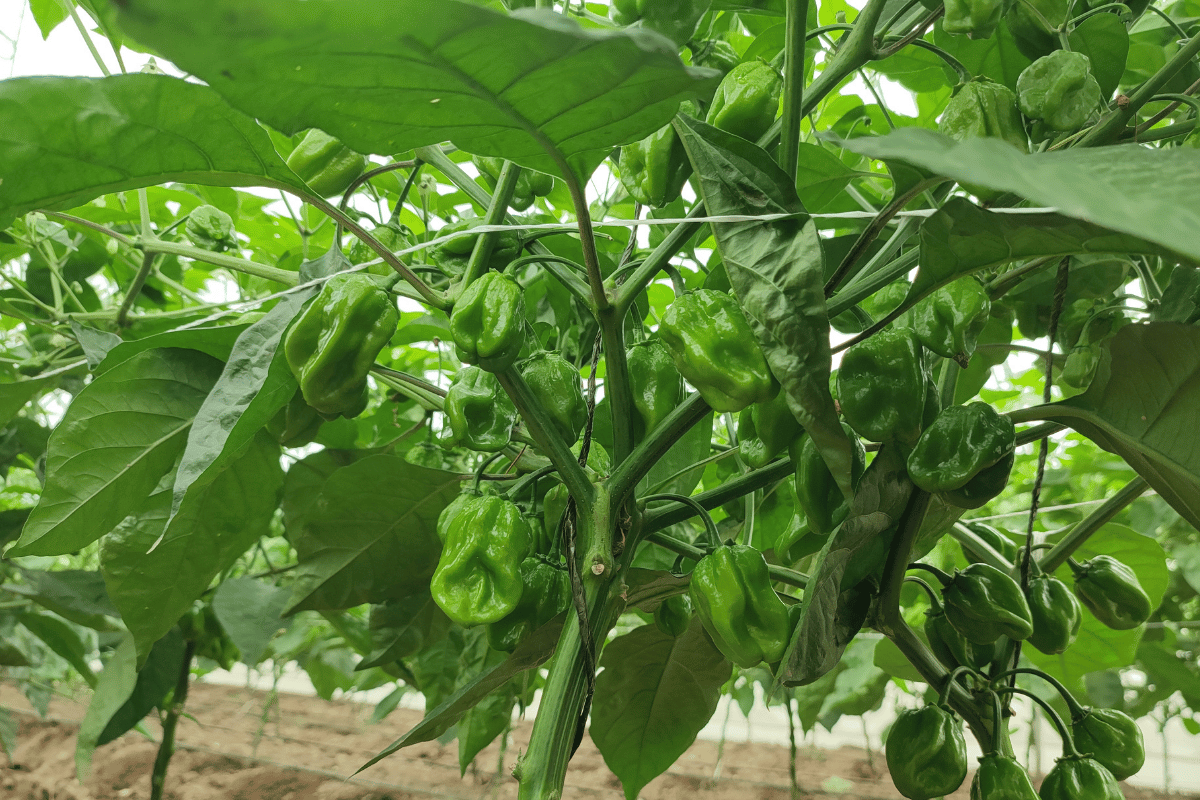
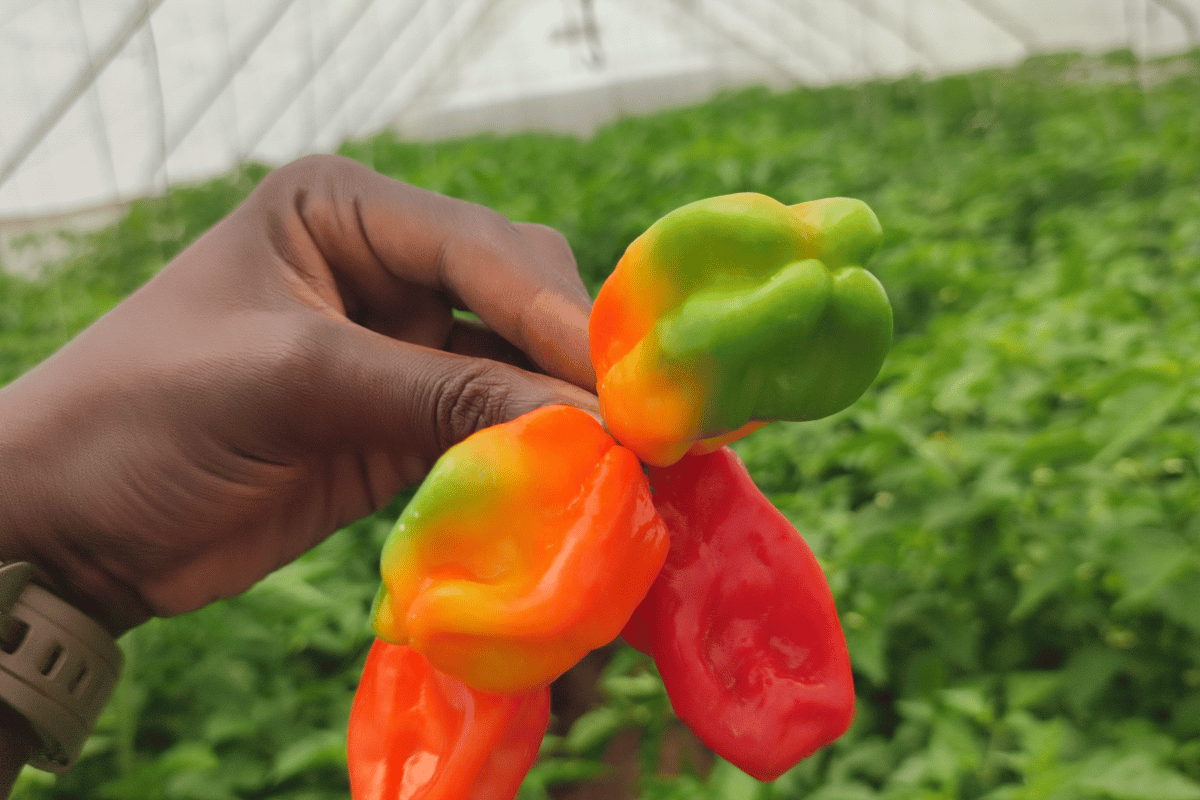
Greenhouse farming allows farmers to produce high-value crops with greater control over growing conditions. Managing a greenhouse in a hot climate, however, comes with its own challenges. As a greenhouse pepper producer in Nigeria, I have learned several practical lessons through hands-on experience growing red and yellow bell peppers along with super habanero peppers.
This article shares lessons that have improved crop performance and productivity under hot climatic conditions.
Temperature management is critical
One of the biggest challenges in greenhouse cultivation under hot climates is excessive heat. High temperatures can reduce flower formation, increase flower drop, and affect fruit quality.
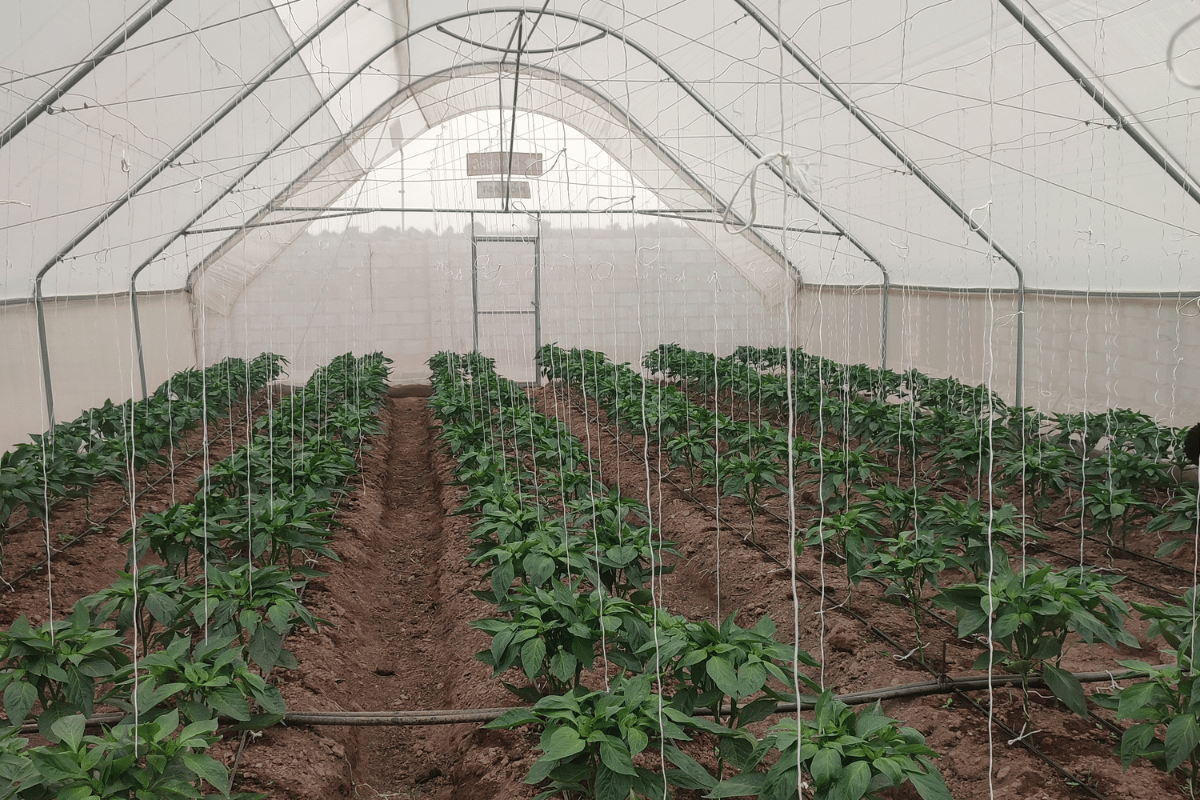
During production, we experienced periods of heat stress that affected plant growth and fruit setting. To reduce the impact, we paid close attention to ventilation by keeping side nets and openings unobstructed. Regular monitoring of greenhouse temperatures helped us identify periods when crops were under stress.
Farmers should understand that, while a greenhouse protects crops, it can also trap heat if not properly managed. Good ventilation is essential for maintaining healthy crop growth.
Water management must be consistent
Water is one of the most important factors in greenhouse production. In hot climates, crops lose water quickly through transpiration, which makes irrigation management extremely important.
We adopted a regular irrigation schedule based on crop growth stages and weather conditions. Consistency proved more effective than applying excessive water at irregular intervals.
Over-irrigation can lead to nutrient losses and root problems, while under-irrigation can cause plant stress and reduced yields. Monitoring plant condition and adjusting irrigation to suit the environment helped maintain healthy growth throughout the production cycle.
Fertigation improves efficiency
Fertigation, the application of fertilizers through the irrigation system, played a major role in our production success.
Instead of applying large amounts of fertilizer at once, we supplied nutrients in smaller, controlled quantities throughout the crop cycle. This allowed plants to take up nutrients when needed and improved nutrient-use efficiency.
One lesson we learned is that fertigation should be carefully planned. Excessive fertilizer application can damage plants, while insufficient nutrients limit growth and yield. Regular observation of crop performance and timely adjustments helped us maintain a balanced nutrition program.
Regular crop monitoring prevents bigger problems
Greenhouse crops require close attention. Small issues can quickly become major problems when they go unnoticed.
Routine scouting allowed us to detect insect pests and other crop health issues early. Early intervention reduced potential damage and limited production losses.
Farmers should develop the habit of regularly inspecting crops rather than waiting until symptoms become severe. Daily observation can reveal important changes in plant growth, flowering, fruit development, and overall crop health.
Proper plant support improves productivity.
Pepper plants grow heavier as their fruits develop. Without proper support, plants can bend, break, or suffer reduced air circulation.
We used staking techniques to support plant growth and maintain an organized canopy structure. Good staking improved plant stability, made crop management easier, and supported better fruit development. A well-managed canopy also improves light penetration and air movement, both of which contribute to healthier plants.
Prepare for unexpected weather events
Greenhouses offer protection from many environmental factors, but they are not completely immune to extreme weather. During one production cycle, our facility suffered damage from a heavy windstorm accompanied by rainfall. The experience showed the importance of regular maintenance and structural inspections.
Farmers should routinely inspect greenhouse covers, support structures, and fastening systems to confirm they can withstand difficult weather. Preventive maintenance is usually far less costly than repairs after the damage is done.
Success comes from consistency
One of the most valuable lessons from greenhouse farming is that success is rarely the result of a single activity. It comes from consistently applying good agronomic practices throughout the production cycle.
From nursery management and transplanting through to irrigation, fertigation, staking, pest monitoring, and harvesting, every stage contributes to the final outcome. Paying attention to small details every day can significantly improve crop performance and profitability.
Greenhouse cultivation in hot climates presents real challenges, which can be managed through proper planning and consistent crop management. Effective temperature control, efficient irrigation, balanced fertigation, regular monitoring, proper plant support, and preparedness for extreme weather all contribute to successful production. My experience growing peppers in Nigeria has shown that greenhouse farming can be highly productive when farmers focus on practical management and continuous learning. Challenges will always exist, but the lessons learned in the field can help farmers improve performance season after season.