


Introduction
Historically, African communities, particularly the Bantus, sourced their food from the wild, gathering fruits and utilizing edible insects. This not only supplemented their diets but also preserved their cultural heritage.
Over time, economic shifts and the transition from barter trade to monetary economies have changed perspectives on food sources, leading to a focus on adding value to existing commodities. One such commodity is the flying termite, a highly valued delicacy among Bantu communities with numerous benefits.
The Role of Flying Termites in Local Communities
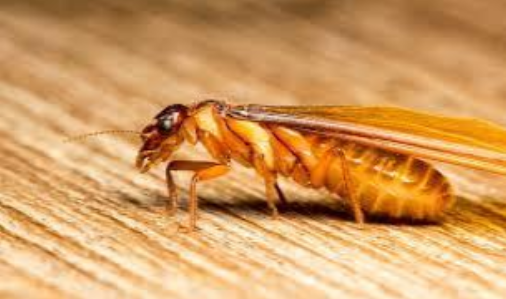
Due to their nutritional and economic significance, flying termites have become a sought-after food source. These insects are harvested on a large scale using traditional and innovative trapping methods. There are four main edible species of flying termites, each distinguished by its color (ranging from black to golden brown) and its unique colony structures, which revolve around a queen responsible for reproduction.
Despite being seasonal, the demand for termites is increasing, particularly in urban areas where their scarcity has driven up their market value.
Methods of Trapping Flying Termites
The trapping of flying termites is an intricate process that varies based on species and environmental conditions:
Night-harvested termites: These are typically larger, black in color, and found in hilly areas.
Evening swarmers: These termites have cream-white wings and emerge at dusk.
Rain-induced swarmers: Black termites with greyish wings respond to light showers or specific sound frequencies.
Mid-day harvesters: small Black termites with silver-white wings are collected using specialized techniques.
Economic and Nutritional Benefits
The harvesting and sale of flying termites provide various benefits, including:
High-protein food source: They serve as an excellent protein supplement in human diets.
Income generation: Many communities rely on termite sales as a source of livelihood.
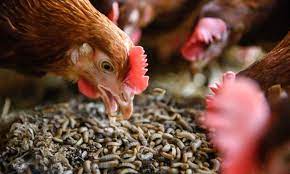
Poultry feed ingredient: Due to their high protein content, termites can be included in poultry rations.
Food industry applications: Termites can be used as flavoring agents in biscuits, cookies, and other food products.
Agricultural benefits: They contribute to biodegrading plant remains, enhancing soil fertility.
The Need for Research and Value Addition
Despite their long-standing significance, limited research has been conducted on termite domestication and commercial production. Flying termites have immense potential to be integrated into international markets as a sustainable protein alternative.
Call to Action
We have a golden opportunity to advance this industry by:
Enhancing livestock feed production: Promoting organic and locally available feed sources.
Empowering communities: Modernizing termite harvesting techniques.
Expanding value addition: Developing termite-based powders, pastes, and other marketable products.
There is much to learn and explore about these remarkable insects. Let’s work together to harness their full potential for food security and economic empowerment!