

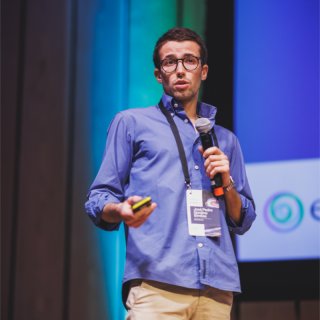
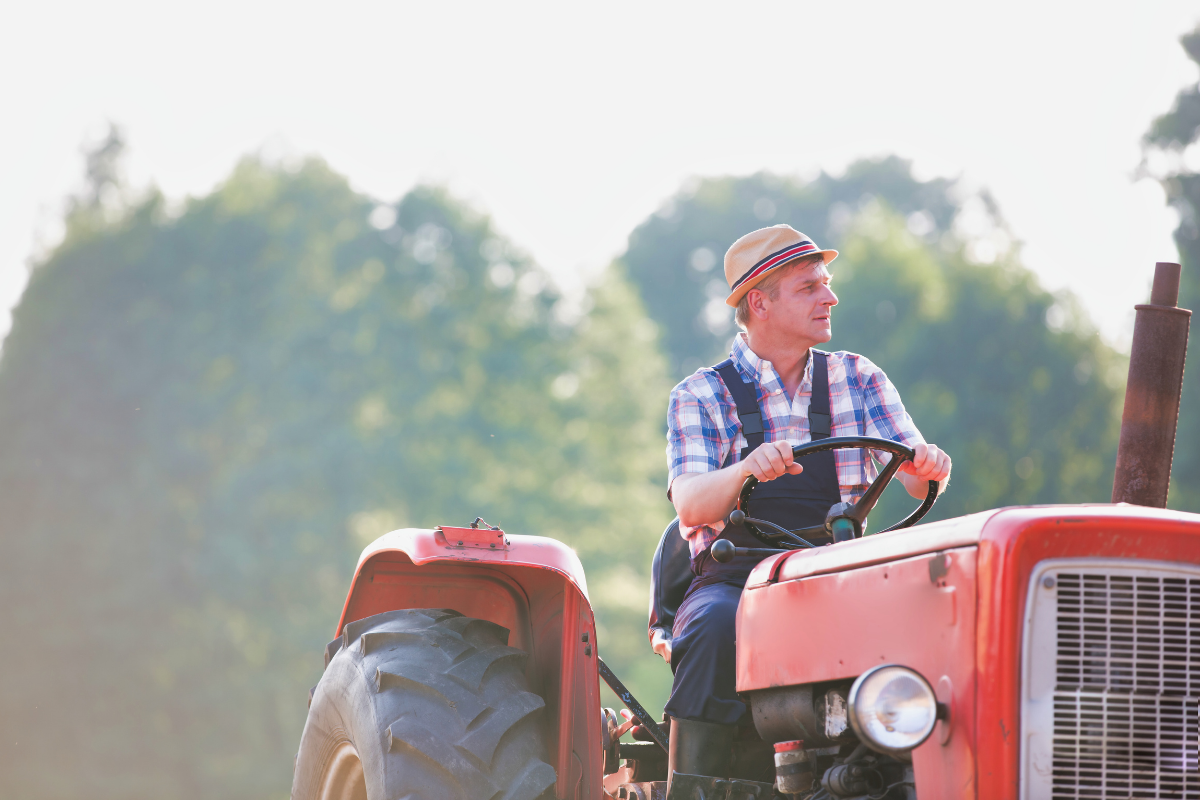
I have co-founded two startups. I have also lambed ewes at three in the morning, watched a fifteen-minute hailstorm wreck an olive harvest, and improvised my way into repairing machines older than I am, because the technician was either too expensive or too far away. The distance between those two worlds is far smaller than most people assume. Every farmer I know is running one of the hardest startups in the economy. They just do not call it that.
We reserve the word entrepreneur for people in cities, pitching decks and chasing venture capital. Strip the concept down to what it actually means, though, and you have someone who assembles resources under uncertainty, carries the risk personally, and answers for an outcome from beginning to end. The person who fits that definition most completely might be in a co-working space. They might just as easily be in a field.
The stack a farmer owns
Consider what a farmer is accountable for. In a startup we obsess over owning the full stack. A farmer owns a stack that would make most founders dizzy.
They are the research department, testing which forage mix survives a dry summer. They are operations, running machinery, labour and logistics. They are quality control, the compliance officer navigating regulation, and the financial controller deciding whether to reinvest or hold cash against a bad year. At the end of all that they are the salesperson, negotiating a price they rarely get to set.
There is no other role in the economy where one person is responsible for creating a product, literally from a seed or a newborn animal, and for selling it into a market that offers no guarantees.
A founder who hits a problem outside their expertise finds a way through by hiring, outsourcing, taking advice or raising money to close the gap. A farmer does the same with a different set of tools, and more often than not solves it alone, on the spot, with whatever is to hand. The pump breaks, so you learn to fix pumps. The vet cannot come until tomorrow, so tonight you are the vet. That refusal to let a missing skill become a fatal one is precisely the trait every investor claims to look for in a founder. Farmers have been demonstrating it for generations without anyone handing them a label for it.
Where the risk really sits
The comparison runs deeper than versatility. It runs through risk.
When you build a startup you make bets under uncertainty and carry the consequences yourself. Farming is the same bet, except most of the variables are out of your hands. A founder can pivot away from a bad market. A farmer cannot pivot away from a drought, a disease outbreak, or a price collapse decided on the other side of the world.
The capital is sunk into land, herd and trees, assets that took years to build and cannot be liquidated overnight. If a founder's runway is measured in months of cash, a farmer's is measured in seasons, and there is no second round of funding coming to save a lost harvest. Managing that exposure, year after year, is entrepreneurship at its most unforgiving.
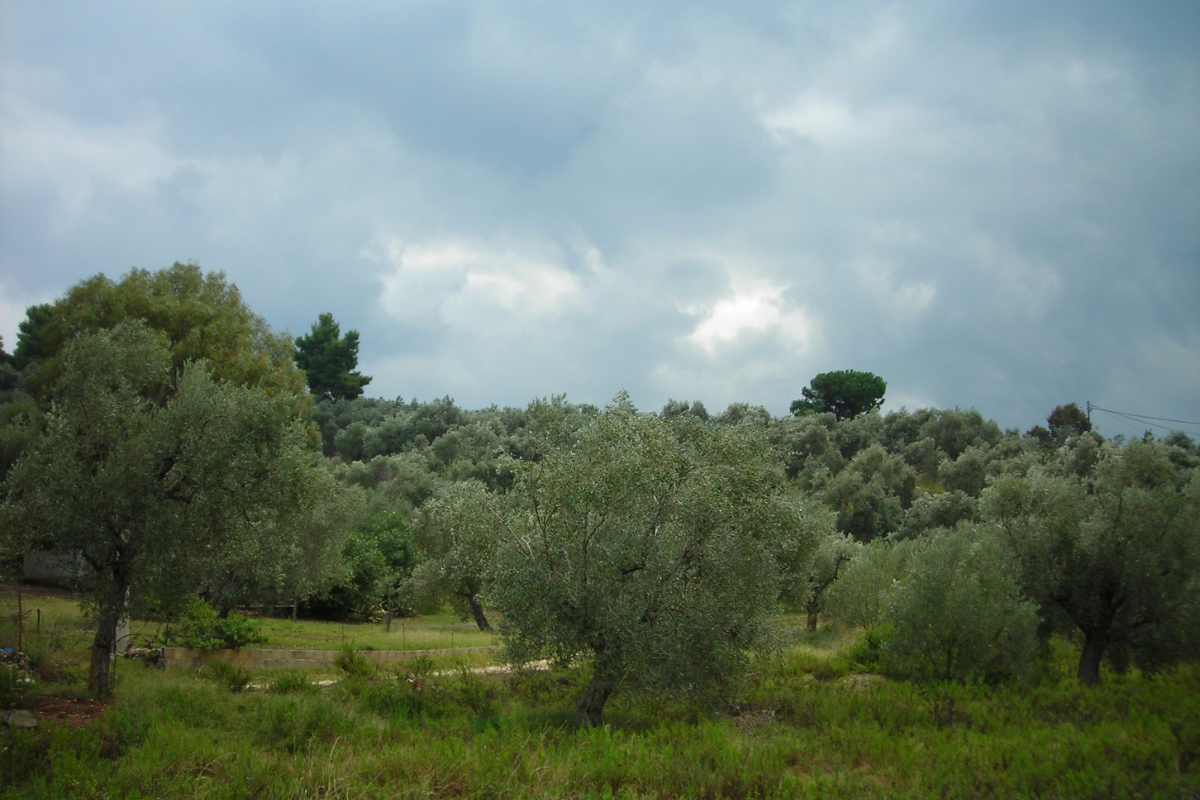
Most of the variables in farming sit outside the grower's control, and a single storm can decide a harvest.
The mindset was already there
The thinking is unmistakably the same. Every farmer I have worked alongside thinks in systems, plans across long horizons, and adapts constantly to conditions they cannot control. They innovate not because innovation is fashionable but because survival demands it.
When I applied computer vision to livestock prediction during my studies, I was not bringing technology to agriculture as an outsider. I was extending something farmers already do instinctively, which is to gather information, model what is coming, and make a better decision than they made last season.
This is why the usual framing seems to me backwards. We talk as though entrepreneurship needs to be brought to rural areas, as though farmers must be taught to think like founders. They already do. What they often lack is not the mindset but the tools, the capital and the recognition.
My own career has combined roles rather than choosing between them, across content, technology, security and agriculture, and I have never found that unusual. It is exactly how a farm operates. Many jobs, one person, and no clean boundaries between them.
So the next time someone describes the ideal entrepreneur as resilient, resourceful, comfortable with risk and able to build and sell a product end to end, I would gently suggest they have also just described a farmer.
The traits we celebrate in founders are the ones a farmer relies on every season, usually with less margin for error and far less of the credit. It is time we called that what it is, which is entrepreneurship in one of its oldest and most demanding forms.