


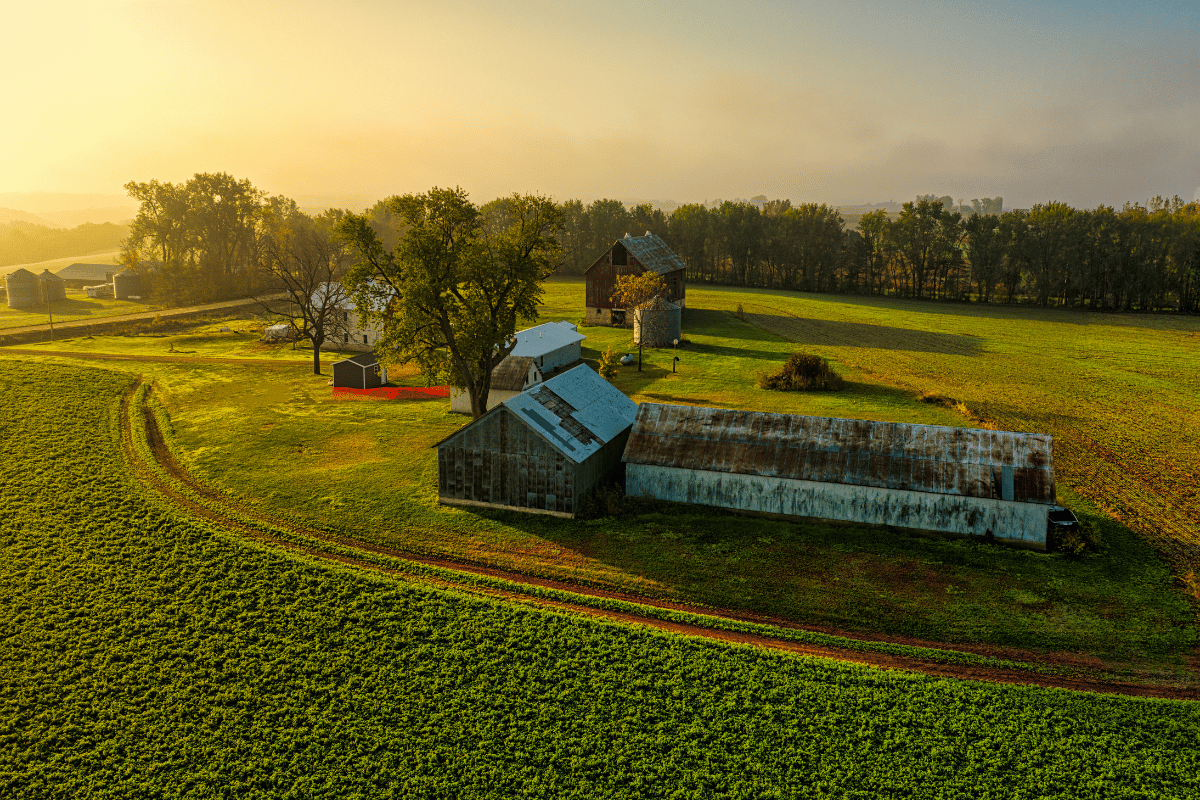
For generations, farmers have been the caretakers of our food, our land, and our sea. They are the most vital link in the global food chain, yet their contribution to sustainability, especially as technology evolves, is often undervalued. Farming has historically been a profession of high toil and low pay. Farmers face many challenges in their daily work, including harsh physical conditions, long hours, and constant risks such as time pressure, extreme weather, natural disasters, and the climate crisis. Beyond these natural obstacles sit further challenges driven by limited human and technological resources, a lack of digital skills, and financial constraints.
To thrive in today's demanding and competitive global agri-food sector, farmers increasingly need to make a profound identity shift, from traditional cultivators to farmer-entrepreneurs. Acting as an entrepreneur calls for a combination of skills, knowledge, and experience, and building a successful business takes strong will and deep commitment. The steps below, grouped into phases, can guide that transition while helping to avoid unnecessary risks.
Phase 1: Evaluating the business concept
A farmer-entrepreneur should begin by evaluating the business concept itself.
Market research: Many farmers run a farming business to continue what previous generations did, and this often works. The decision to grow a specific crop or launch a new product, though, should be driven by research and data. Before making any product decision, the farmer needs to examine whether there is an active market for the product. Market research involves gathering data on consumer habits and demographics. Understanding the market lets a farmer find future customers and tailor the product to their needs, which helps secure future revenue for the business.
Competition analysis: A thorough market analysis includes studying the competition. Identifying and analyzing competitors and their commercial behavior helps significantly in understanding what works in the market and what does not. Competitors are not enemies. Most are willing to share the knowledge they have gained, both their failures and their successes, and learning from their experience can reveal opportunities to innovate, stand out, and achieve results.
SWOT analysis: Once there is a clear understanding of the market and the competition, the next step is a thorough evaluation of the farming business itself. A SWOT analysis is a simple but powerful tool for identifying the internal and external factors that affect the business. Listing the Strengths (for example, fertile soil), Weaknesses (for example, logistics), Opportunities (for example, a new local restaurant opening), and Threats (for example, rising supply costs) helps the farmer-entrepreneur build a solid business plan and act proactively in the face of any challenges that may arise.
Phase 2: Business structure and culture
Running a small farming business shares the same basic structure as managing a multinational firm. All operational decisions must align with the company's vision, the business plan, and the available resources.
Setting a clear vision for the company matters. A clear goal shapes the entire strategy and guides every decision and alternative scenario.
A business plan covering a minimum of three years, with projections for revenues, costs, and profits, provides flexibility in managing resources and helps in making the right decisions.
Resources here mean more than technical resources, machinery, and equipment. They mean, above all, human resources, the people, employees, or external advisers who make the business run efficiently and effectively. These people are the company's most valuable investment and should not be seen as just another operating cost. Success comes through teamwork, and building a strong team is one of the most significant roles for the entrepreneur, who must be a leader who inspires, protects, and deeply represents the company's ethics, culture, and vision.
Phase 3: The business plan and financials
Cost of goods: The first step in understanding the company's financial performance is a clear view of what the produced goods actually cost, especially per unit. The cost of goods should include all direct costs required for production, such as seeds, fertilizers, tractor fuel, salaries, rent, insurance, and the owner's own working time, even when unpaid. The total cost per unit sets the absolute minimum baseline price for the product.
Indirect costs: all costs not directly tied to production but related to the company's operations, such as office utilities, accounting, legal, and marketing costs, and administrative salaries. These should also be included when calculating the company's total operating costs.
Financial results and taxes: the company's financial results, whether profit or loss, are calculated by subtracting direct and indirect costs from total revenues. Where there is a profit, the company must account for another crucial expense, income tax, which is usually paid during the following financial year once the results are final. Income tax depends on the tax rate and the business structure and should be carefully considered when building a payment plan.
Net profit: This is what remains after all expenses and taxes have been paid, and it is the true measure of the business's health.
Cash flow: independently of the company's operations and profits, the farmer must always keep a cash flow plan for day-to-day operations on a cash-in, cash-out basis. Making a deal with a supplier who requests a down payment is very different from dealing with one who offers three months of credit and is paid only after the company has sold its products. Win-win deals are crucial, and they do not always come down to the amount of money involved, since the other terms of a deal can also work in the company's favor.
Building the plan: all of these figures should be presented and analyzed in a business plan that covers more than a single year, for example, three years. A sound business plan is built conservatively, which means slightly underestimating revenues and slightly overestimating costs. This gives the company a safety net. It is far better to underestimate profits and be pleasantly surprised than to overestimate them and run out of cash.
Pricing: Financial analysis is a good basis for pricing. The prices of the goods produced must be high enough to cover all direct and indirect costs plus a profit margin, yet low enough that customers are still willing and able to buy.
Funding is another major challenge for the agri-food sector and should be considered when building the business plan. Farmers need significant capital to run their business and invest in equipment and facilities. With a structured business plan in place and clear funding needs, the farmer can make wiser choices about the type of funding and the repayment method. Common sources include personal savings, loans from friends or family, government and European grants, banks, and long-term credit from suppliers.
For example, when calculating the Cost of Goods Sold (COGS) for a hectare of watermelons, the farmer must aggregate obvious inputs like seeds, mulch film, and fertilizers, but also include the exact tractor fuel used during soil preparation, seasonal labor wages for harvesting, and a calculated percentage of their own monthly cost based on the working time. If the total operational input reaches $4,500 and the yield is 15,000 kg, the baseline cost is $0.30/kg. Any selling price below this baseline represents a direct financial loss.
Phase 4: Going to market
Validation: before committing the available resources, test the business concept. This might mean selling a small batch of a new product at a local market to gauge the reaction. Validation demonstrates that the concept works in the real world, saving both money and time.
Brand identity and trademark: Before investing in branding, a farmer should ensure the brand name is legally protected by checking trademark availability and domain registration. A brand is a promise to the customer. Made up of the company's name, logo, and reputation, it carries the story behind the business. A strong brand identity builds trust and loyalty among customers.
Sales, distribution, and marketing: a successful business generates profit through sales. Even the highest-quality product cannot earn revenue if consumers do not know it exists or cannot find it through accessible channels. For this reason, farmer-entrepreneurs need to identify and select the right mix of direct channels, such as physical farmers' markets, and indirect channels, such as wholesalers and retailers, to reach their target audience efficiently. At the same time, they need to invest in brand awareness and promotion and clearly communicate the brand's value through authentic storytelling. The market research conducted in Phase 1 provides significant guidance on finding the right mix of distribution channels and marketing strategies.
For instance, a dairy farmer looking to pivot from selling raw goat milk to producing high-margin, aged artisanal cheeses shouldn't immediately invest in commercial pasteurizers and ageing cellars. Instead, they can process a small, experimental batch using rented certified kitchen space and test-sell 40 wheels of cheese at a regional food festival. Customer feedback on the flavour profile, packaging design, and premium price point will help determine whether a full-scale facility investment is justified. In this way, the farmer can better estimate the actual cost of this future investment to build a strong business plan.
Phase 5: Business set-up and legal structure
The formal set-up of the farming business is a critical decision. The legal structure defines the owner's personal financial liability, tax rates, and operational capabilities, as exports are restricted to specific legal structures. Choosing the right business structure requires basic financial awareness and should align with the business plan. Consulting a financial adviser or legal expert is highly recommended to ensure the chosen structure supports the business's goals and operations.
A few closing tips
A farmer-entrepreneur should keep three things in mind. Be a leader who inspires and protects the team, because success is always teamwork. Always look ahead, keeping a close eye on market trends, new technologies, and the general conditions that could affect the business. And be disciplined and patient, because a successful business is a marathon, not a sprint.