

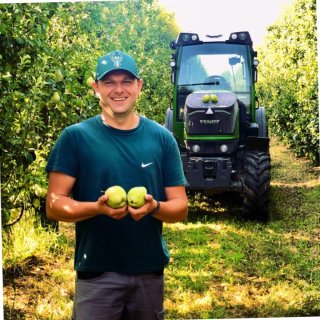
Real-World Soil Advice for Kiwi Growers—Insights from a Greek Kiwi Farmer
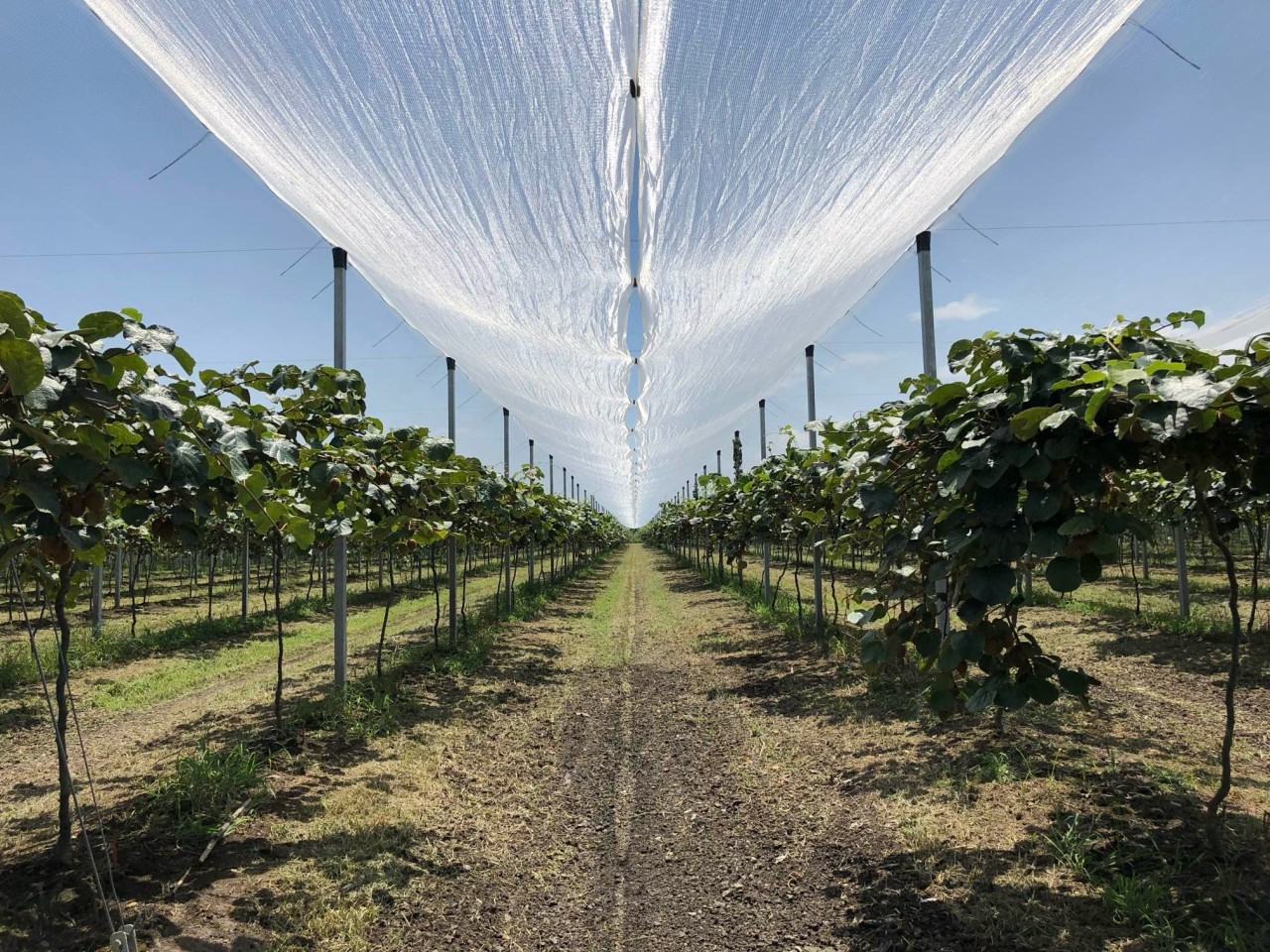
Kiwi has emerged as one of the rising stars in Greece's agricultural scene in recent years. The increasing demand for this delicious fruit, coupled with its unique attributes, has spurred massive plantings by numerous farmers across the nation. This trend has firmly established kiwi cultivation in Greece, making the country a world leader in the production of green kiwi, renowned for its taste and nutritional benefits.
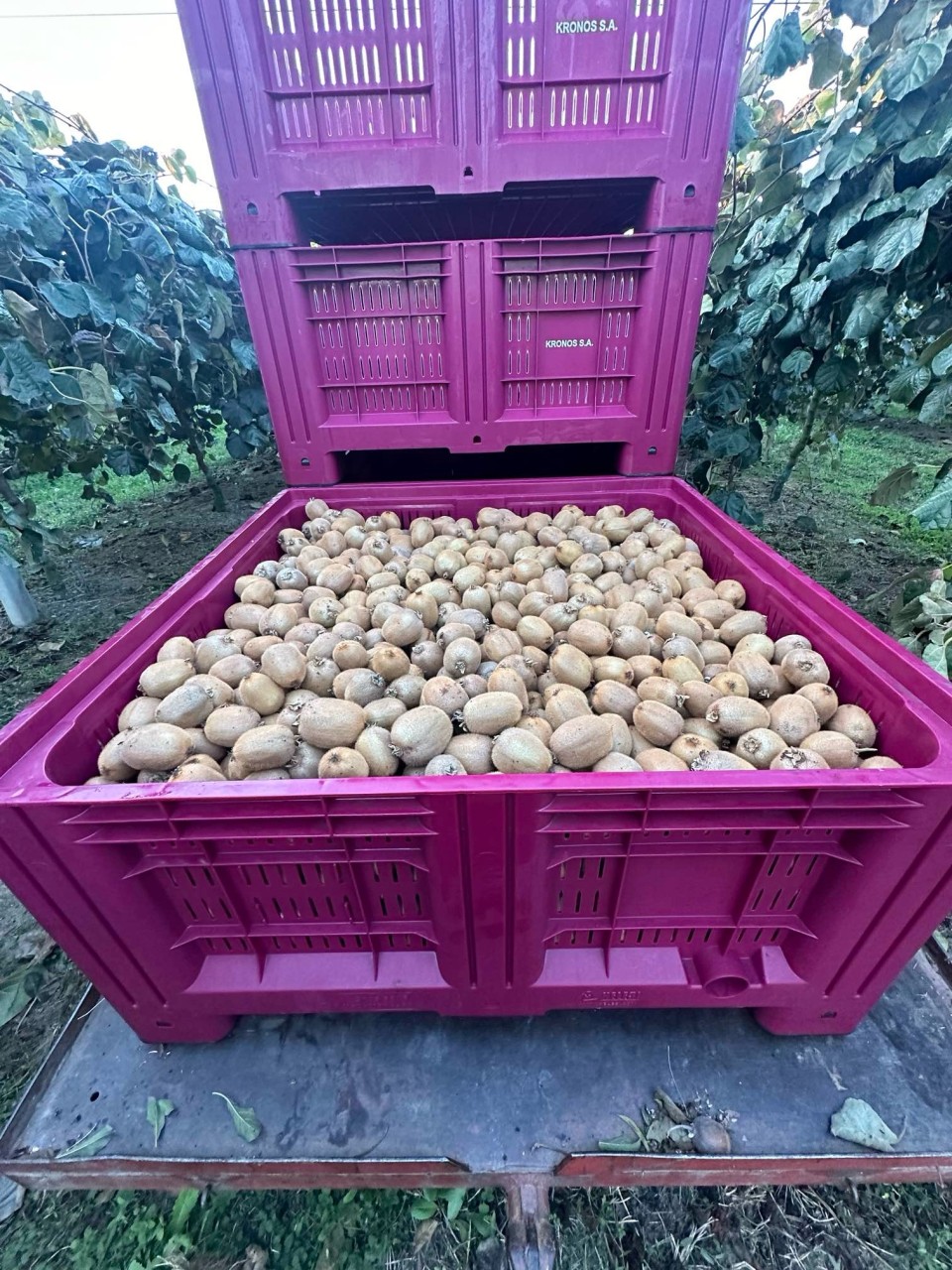
However, cultivating kiwi is not without its challenges. The question arises: Can it be cultivated successfully across the entire country? What are the criteria needed for healthy kiwi growth? What hurdles do farmers typically encounter depending on the location of their farmland, and how do they address these issues effectively?
Key Soil Factors for Healthy Kiwi Plants
Before planting kiwis, it is imperative to conduct a thorough soil analysis. The soil composition can vary significantly across different regions, necessitating a tailored approach for each plot of land. Undertaking soil analysis helps farmers understand the specific needs of their land, ensuring healthier, more productive plants. The key factors that need to be assessed include:
- The soil texture (sand, clay, loam) and the percentage of each type present.
- The pH level of the soil.
- The proportion of calcium carbonate (CaCO3).
- The levels of phosphorus, potassium, and other micronutrients.
Now, let us delve deeper into each of these categories to understand their importance better.
1. Soil Texture: Soil texture plays a crucial role in plant health. Soils can be categorized based on the combination of their components, which include sand, clay, and loam. Theoretically, there are no ideal soils that universally support plant growth; however, some soils are more favorable than others. Soils that are high in clay or loam without proper irrigation systems are at risk of leaching, which can render them unsuitable for optimal plant growth. Conversely, sandy soils can require amendments of organic matter to retain essential micronutrients that kiwi plants need, especially given their shallow root systems. Furthermore, an excessive amount of calcium carbonate in the soil can create nutrient deficiencies, affecting the overall vitality of the plants.
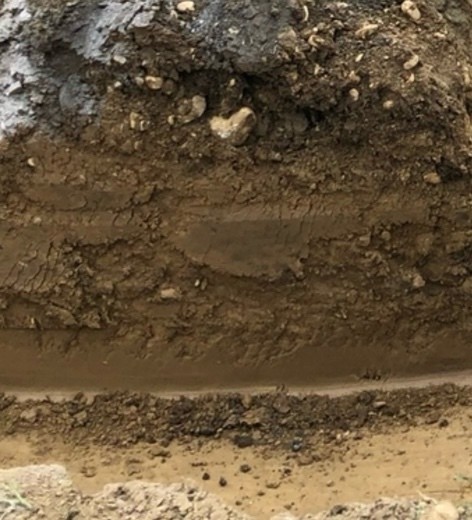
2. Soil pH: The pH level of the soil must be within an ideal range between 6.0 and 6.5, as a slightly acidic environment is most conducive to the growth of kiwi plants. However, it is not uncommon to find soil pH levels exceeding 8 in many areas, which can lead to visible nutrient deficiencies, particularly iron deficiency, evident by yellowing leaves. To mitigate these issues, farmers often need to implement soil treatments, which may include the use of sulfur fertilizers and the application of chemical iron at the onset of spring. This proactive approach not only addresses existing deficiencies but also helps prevent issues like leaf yellowing during the winter months.
3. Nutrient-Rich Soil: Fertile soil must be rich in organic matter and key nutrients that are necessary for thriving plants. Essential elements, particularly nitrogen, phosphorus, and potassium, are crucial for supporting vigorous plant growth and fruit production. Farmers are encouraged to monitor and manage nutrient levels in their soil continuously. This may involve periodic soil testing and the application of organic fertilizers, which help replenish nutrients and improve soil structure.
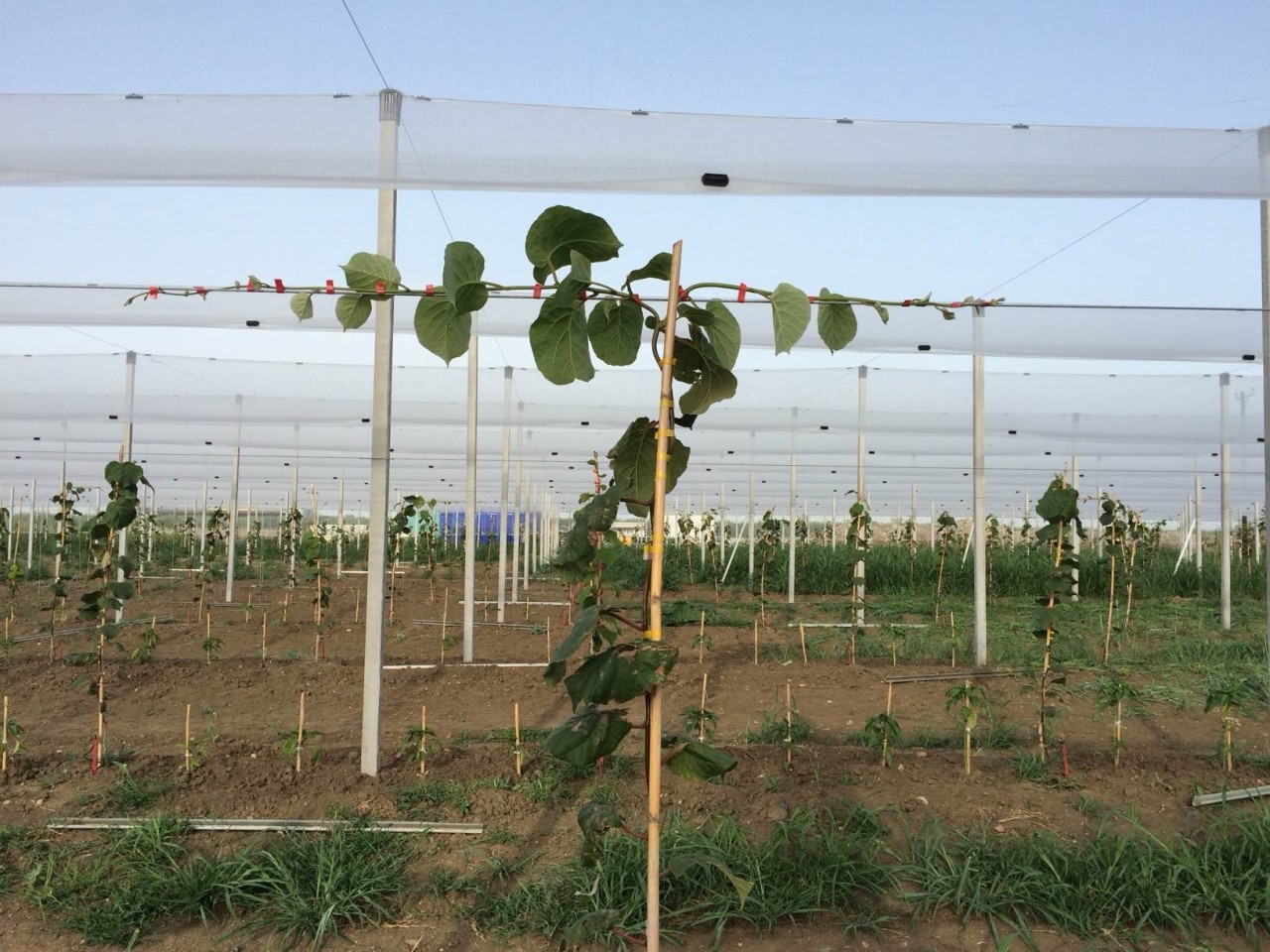
4. Drainage: Adequate drainage is a critical factor in successful kiwi cultivation. Poor drainage can lead to water stagnation, which in turn may cause root damage and increase vulnerability to diseases. Well-draining soils promote healthier root systems, thereby enhancing plant growth. Farmers often employ strategies such as raised beds or drainage ditches to improve soil drainage and ensure that excess water can escape.
5. Moisture Retention: While good drainage is vital to prevent waterlogging, the soil also needs to have the capacity to retain a certain level of moisture. This moisture retention is essential for supporting plant growth, especially during dry periods or drought conditions. Farmers can enhance soil moisture retention by incorporating compost or other organic materials, which help improve the soil structure and increase its water-holding capacity.
6. Aeration: Proper soil aeration is necessary to facilitate root development and promote overall plant health. Well-aerated soils allow oxygen to penetrate and reach the roots, which encourages vigorous growth. Compacted soils, on the other hand, limit root expansion and can inhibit plant productivity. To maintain good soil aeration, farmers are encouraged to avoid heavy machinery use during wet conditions and may consider practices such as tilling or using cover crops to break up compaction.
7. Pathogen-Free: It is crucial to choose soils that have a history of being free from pathogens or pest infestations, as these can severely impact kiwi development. Soil health is closely intertwined with the absence of disease, so farmers should take care to monitor their soil for pest activity and take preventive measures, such as crop rotation and using resistant plant varieties when necessary.
8. Slope and Location: The physical layout and location of the farmland also play a significant role in kiwi cultivation. Flat or gently sloping areas are preferred to minimize water runoff and ensure that plants receive adequate moisture. Moreover, positioning the crops in areas with good sunlight exposure is vital for the overall health of the plants and the quality of the fruit they produce.
Conclusion: Setting the Foundation for Kiwi Farming Success in Greece
In conclusion, selecting the right soil is critical to ensure that kiwi plants grow healthily and produce a fruitful harvest. Prospective kiwi growers must conduct proactive soil analyses before planting and implement appropriate corrective measures to optimize plant health and productivity. By understanding the unique characteristics of their soil and addressing the various factors affecting kiwi growth, farmers can significantly enhance their chances of successful cultivation in Greece's dynamic agricultural landscape. With continued expertise and advancements in agricultural practices, the future of kiwi farming in Greece looks promising.
Further reading
Environmental, Soil Requirements and Planting of Kiwi Plants
Kiwi Plant Information and Variety Selection
11 Interesting Facts about Kiwifruit
Propagation and Pollination of Kiwi Plants
History, Nutritional Value and Health Benefits of Kiwi
Effective Irrigation Practices for Optimal Kiwi Plant Growth
Major Pests, Disease, and Weeds of Kiwi Plants and their Management