


Introduction
Climate change refers to long-term alterations in temperature, precipitation, and weather patterns, primarily caused by anthropogenic greenhouse gas emissions (IPCC, 2021). Globally, these changes have resulted in increased heatwaves, droughts, and unpredictable rainfall (NASA, 2020). Agriculture, being highly climate-sensitive, is one of the most affected sectors worldwide (FAO, 2019).
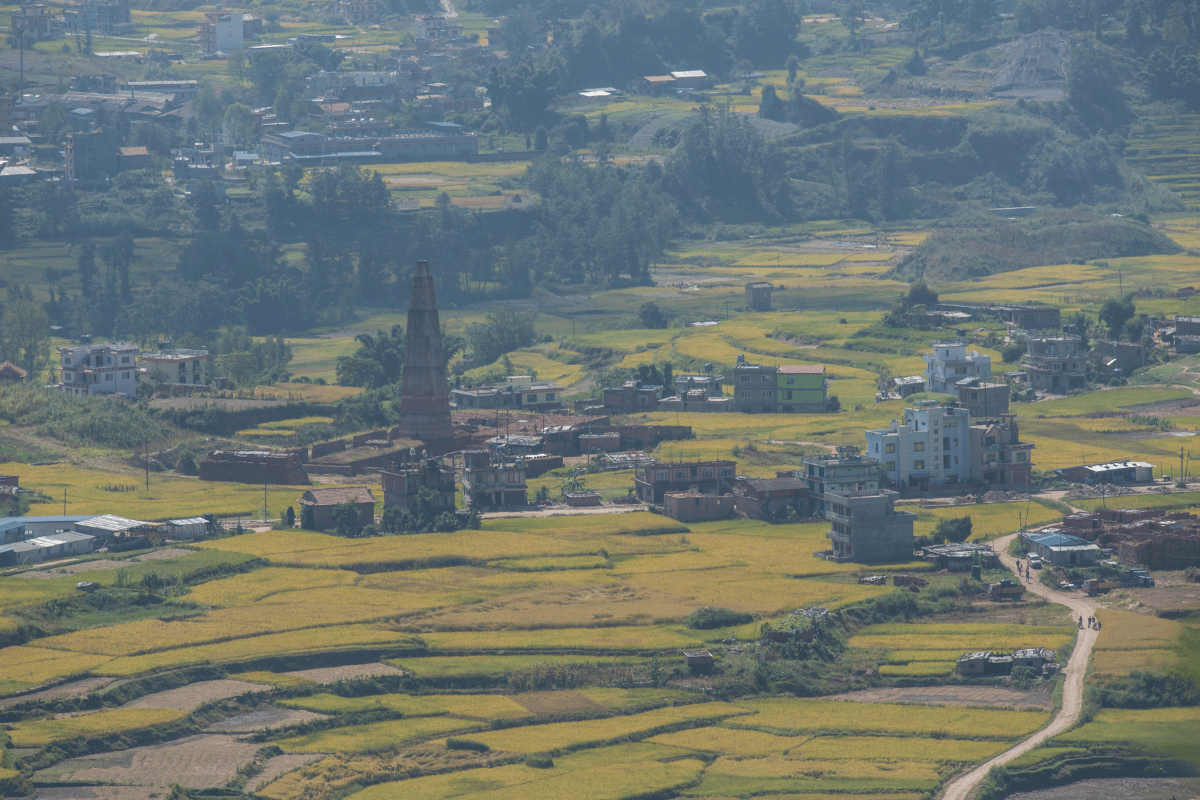
In Nepal, over 60% of the population relies directly on agriculture for livelihood, making the sector extremely vulnerable to climatic variability (MoALD, 2020). The country’s mountainous geography, dependence on monsoon rainfall, and limited adaptive infrastructure further heighten this vulnerability (ADB, 2019).
Climate change trends in nepal
Over the past few decades, Nepal has observed significant changes in temperature and precipitation patterns (DHM, 2017). The Department of Hydrology and Meteorology reports an average annual temperature rise of 0.056°C since the 1970s, with higher warming rates in the Himalayan region (DHM, 2017).
Precipitation has become more irregular, with increasing frequency of droughts and intense rainfall events leading to floods. Glaciers in the Himalayas are retreating rapidly, causing glacial lake outburst floods (GLOFs) and threatening downstream agricultural lands (ICIMOD, 2020). These climatic shifts have directly impacted water availability and the growing environment for crops (Malla, 2008).
Impacts of climate change on agricultural production
Climate change influences agriculture by altering crop growth periods, increasing pest infestations, and reducing soil fertility (Lobell et al., 2011). In Nepal, major crops like rice, maize, and wheat are highly sensitive to temperature and rainfall variations.
For instance, delayed monsoon rains and droughts in the Terai region have reduced rice yields by up to 20% in certain districts (MoALD, 2021). Similarly, rising temperatures in mid-hills shorten the growing period of wheat, affecting grain filling and yield. Maize crops have faced frequent armyworm attacks due to warmer winters, while rice blast disease has become more prevalent (NARC, 2020).
These changes collectively threaten Nepal’s food security and increase the risk of hunger among vulnerable households (ADB, 2019).
Socioeconomic implications of climate change
The consequences of climate change go beyond reduced crop yields—they also influence farmers’ income, labor migration, and rural livelihoods (FAO, 2019). Smallholder farmers with limited access to irrigation, credit, and improved seeds are the most affected (World Bank, 2021).
Crop failures due to erratic weather patterns have pushed many households into debt and poverty (CBS, 2020). Moreover, declining pasture productivity and water scarcity have adversely affected livestock-based livelihoods. These pressures have driven rural youth migration to urban areas and abroad in search of alternative income (IOM, 2019).
Adaptation and mitigation strategies
To address these challenges, Nepal has adopted several adaptation and mitigation policies (MoFE, 2019). The National Adaptation Programme of Action (NAPA) and Nationally Determined Contributions (NDCs) promote community-based adaptation and climate-smart agriculture (MoFE, 2020).
Climate-smart practices such as drought-tolerant crop varieties, conservation agriculture, drip irrigation, and agroforestry are being implemented to enhance resilience (FAO, 2021). Soil conservation, carbon sequestration through tree planting, and integrated pest management have shown positive results. Furthermore, local governments and NGOs have emphasized early warning systems and farmer training to strengthen preparedness (UNDP, 2021).
The way forward: Building climate-resilient agriculture
For sustainable climate adaptation, Nepal needs an integrated approach combining modern science with indigenous knowledge (ICIMOD, 2021). Investment in irrigation, renewable energy, and rural infrastructure can reduce vulnerability to climatic shocks (ADB, 2020). Strengthening local institutions and financing mechanisms will help smallholder farmers access adaptation technologies (World Bank, 2021).
Policies should focus on biodiversity conservation, crop diversification, and sustainable land use to maintain ecosystem services and ensure long-term agricultural resilience (MoALD, 2021). Collaborative efforts among government agencies, research institutions, and communities are vital for building a climate-resilient agricultural future (LI-BIRD, 2022).
Conclusion
Climate change is a serious threat to Nepal’s agriculture, food security, and rural economy . The increasing frequency of droughts, floods, and pest outbreaks has already disrupted traditional farming systems . However, through climate-smart technologies, effective policy implementation, and strong community engagement, Nepal can transform its agriculture into a resilient and sustainable sector .
Integrating local knowledge, scientific innovation, and institutional support is the key to protecting Nepal’s agriculture from the adverse effects of climate change.
References
- ADB. (2019). Climate Change and Food Security in Asia and the Pacific. Asian Development Bank, Manila.
- ADB. (2020). Building Climate Resilience in Nepal’s Agriculture Sector. Asian Development Bank, Kathmandu.
- CBS. (2020). Statistical Year Book of Nepal 2020. Central Bureau of Statistics, Government of Nepal.
- DHM. (2017). Observations of Climate Trends in Nepal (1971–2014). Department of Hydrology and Meteorology, Kathmandu.
- FAO. (2019). The State of Food and Agriculture 2019. Food and Agriculture Organization, Rome.
- FAO. (2021). Climate-Smart Agriculture Sourcebook (2nd Edition). Food and Agriculture Organization, Rome.
- ICIMOD. (2020). The Changing Himalayas: Climate Change and Adaptation. International Centre for Integrated Mountain Development, Kathmandu.
- ICIMOD. (2021). Building Climate Resilience in Mountain Ecosystems. International Centre for Integrated Mountain Development, Kathmandu.
- IPCC. (2021). Sixth Assessment Report: Climate Change 2021 – The Physical Science Basis. Intergovernmental Panel on Climate Change, Geneva.
- IOM. (2019). Migration and Climate Change in Nepal. International Organization for Migration, Kathmandu.
- LI-BIRD. (2022). Community-Based Climate Change Adaptation Practices in Nepal. Local Initiatives for Biodiversity, Research and Development, Pokhara.
- Lobell, D. B. et al. (2011). Climate trends and global crop production since 1980. Science, 333(6042), 616–620.
Malla, G. (2008). Climate change and its impact on Nepalese agriculture. The Journal of Agriculture and Environment, 9, 62–71. - MoALD. (2020). Statistical Information on Nepalese Agriculture 2019/20. Ministry of Agriculture and Livestock Development, Kathmandu.
- MoALD. (2021). Agriculture Development Strategy Progress Report. Ministry of Agriculture and Livestock Development, Kathmandu.
- MoFE. (2019). National Climate Change Policy 2019. Ministry of Forests and Environment, Government of Nepal.
- MoFE. (2020). Second Nationally Determined Contribution (NDC) of Nepal. Ministry of Forests and Environment, Kathmandu.
- NARC. (2020). Annual Research Report 2019/20. Nepal Agricultural Research Council, Kathmandu.
- NASA. (2020). Global Climate Change: Vital Signs of the Planet. National Aeronautics and Space Administration, Washington, D.C.
- UNDP. (2021). Climate Resilient Agriculture in Nepal. United Nations Development Programme, Kathmandu.
- World Bank. (2021). Nepal Climate Change and Development Report. World Bank Group, Washington, D.C.