


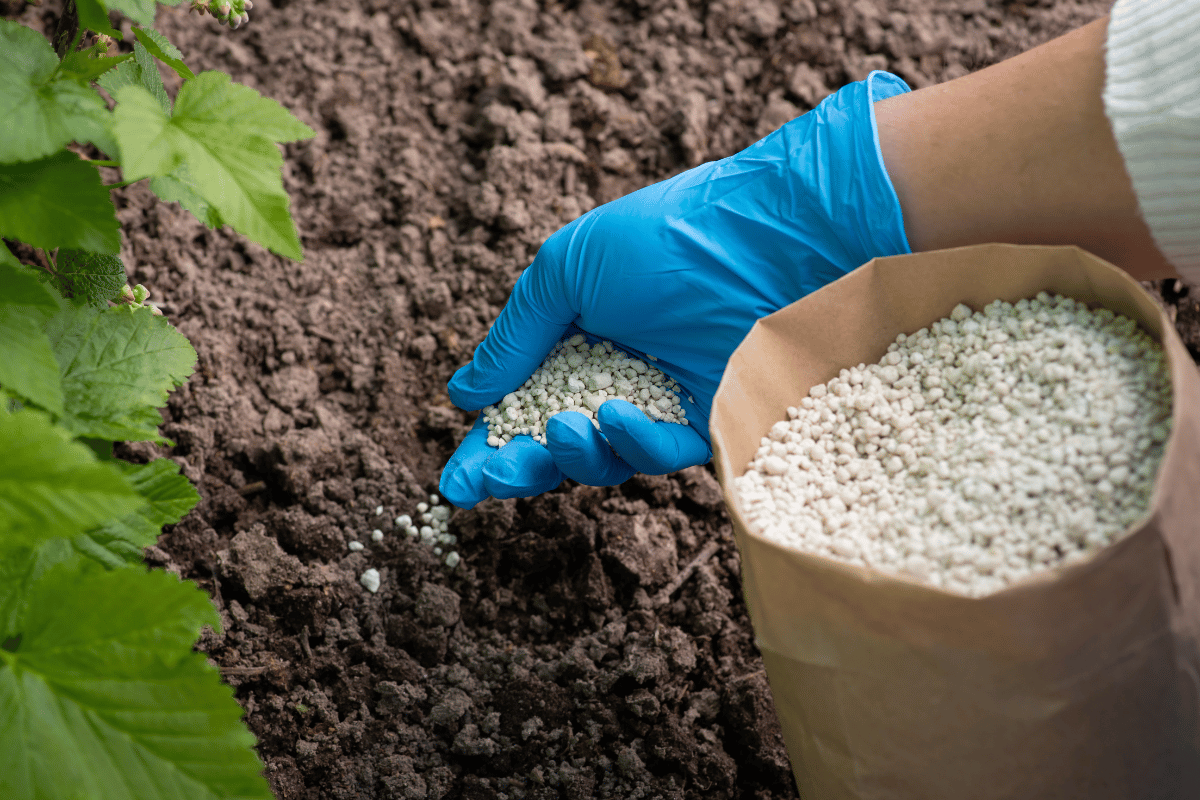
Fertilizer use has been central to global food production over the past decades. In 2019, global use reached about 189 million tonnes, a 40% increase since 2000, contributing to nearly 50% of food production growth worldwide (Food, 2021). Yet, dependencies on industrial fertilizers come with vulnerabilities: price shocks during global crises, unequal access across regions, and heavy reliance on limited reserves of phosphorus and potassium (Ariga et al., 2006). For example, fertilizer prices between 2020 and 2022 were driven by the Russia-Ukraine war (Breisinger et al., 2022; Ververs et al., 2019) and export bans by China, echoing similar spikes during the 2008-2009 financial crisis and earlier in the 1990s (Khabarov and Obersteiner, 2017). Such shocks often trigger global food crises, raising an urgent question: Can the world feed itself without industrial fertilizers?
Organic fertilizers and their limits
Organic systems, such as organic home gardens, food forests, and locally produced organic fertilizers, are often promoted as sustainable alternatives. Organic materials enhance soil health, biodiversity, and ecological balance (Smith et al., 2019). However, their availability is uneven, and scaling them to meet global demand is challenging (Timsina, 2018). For instance, production relying solely on cattle manure would require 16 – 33% more land and up to 10 tonnes per hectare of organic inputs annually, risking deforestation and habitat loss (Adekiya et al., 2020; Cen et al., 2020; Muller et al., 2017; Sileshi et al., 2017). Large, resource-endowed farmers may manage better under organic-only systems, while smallholders struggle to produce enough food (Kamau et al., 2018; Meemken and Qaim, 2018).
Table 1 illustrates the gap: while countries like Brazil and New Zealand produce enough livestock waste to fertilize all their arable land, regions like India and the European Union fall far short. In Europe, full reliance on organic fertilizers could reduce food production by 40% (Smith et al., 2019).
Table 1: Manure available in different countries and the approximate proportion of arable land it can support with an average application rate of 10t/ha
|
Country/Region |
Manure source |
Annual amount (tonnes) |
Approximate area of arable land (ha) |
Proportion of land that can be supported |
Source |
|
Ghana |
Cattle manure (dry) |
2.9 million |
4.7million |
6% |
(Duku et al., 2011) |
|
European Union |
Slaughter-house waste |
18 million |
103 million |
7% |
(Möller, 2015) |
|
The US |
Animal manure |
1.1 billion (wet weight) |
157 million |
35% |
(He and Zhang, 2014) |
|
New Zealand |
Animal waste |
100 milion |
491, 000 |
Over 100% |
|
|
Brazil |
Livestock waste |
1.7 billion |
57 million |
Over 100% |
(Beltrame et al., 2019) |
|
India |
Agricultural waste |
350 million |
156 million |
4% |
(Kimothi et al., 2020a) |
Urban organic waste: A Missed opportunity
Globally, cities generate 2 billion tonnes of municipal waste annually, about half of which is organic. If the roughly 1 billion tonnes of organic waste (Kimothi et al., 2020b) were composted or processed (e.g., as in Sous-Massa, Morocco), it could yield around 53 million tonnes of fertilizer, potentially replacing 28% of industrial fertilizer demand (Burger, 2021). While promising, this requires stronger waste management infrastructure and widespread adoption of composting technologies.
Emerging technologies such as struvite crystallization recover phosphorus and nitrogen from sewage and animal wastewater (Corre et al., 2007). Struvite, a slow-release fertilizer rich in phosphorus, magnesium, and nitrogen, can recover up to 93% of phosphorus from wastewater (Rahman et al., 2014; Suzuki et al., 2006). Globally, this could reduce phosphate mining by 1.6%, offering a small but important contribution to sustainable nutrient cycles. However, economic feasibility and regulatory challenges still hinder its widespread use (Shu et al., 2006).
Slaughterhouse waste as fertilizer
Slaughterhouse byproducts, including bones, offal, and meat meal, are nutrient-rich, especially in phosphorus and calcium (Table 2). The EU alone produces 18 million tonnes of such waste annually, with the potential to replace 7% units of its phosphorus imports (Möller, 2016). Globally, around 130 million tonnes of bone and meat waste could supply about 2% of global phosphorus demand (Tóth et al., 2014). Despite the potential, lthe ack of recycling infrastructure and risks of disease transmission restrict uptake, particularly in developing countries (Keyzer, 2010).
Table 2: Proportion of nutrient content in slaughterhouse waste
|
Type of slaughterhouse waste |
N (%) |
P (%) |
Ca (%) |
|
Bone meal |
5.3 |
10.5 |
21.6 |
|
Meat meal |
8 |
3.42 |
6.79 |
|
Bone and meat meal |
8.28 |
5.31 |
9.6 |
Rock phosphate reserves and regional alternatives
Phosphorus is primarily mined from rock phosphate, with 75% of reserves concentrated in Morocco and Western Sahara (Filippelli, 2018). Many countries depend heavily on imports, making them vulnerable to geopolitical disruptions (Khabarov and Obersteiner, 2018). In East Africa, deposits of Mijingu (Tanzania) and Busumbu (Uganda) offer regional alternatives (Odongo et al., 2007; Shahid et al., 2014). Their effectiveness improves when combined with organic matter or bio-inoculants, reducing dependence on imports (Ndeleko-Barasa et al., 2021; Odongo et al., 2007). Morocco’s OCP Group is also investing in fertilizer plants across Africa to localize and stabilize prices.
Rethinking Food Systems and Crop Choices
Half of global fertilizer consumption goes to cereals, with maize, wheat, and rice as the largest consumers. Maize alone accounts for 16% of global fertilizer use. Yet alternatives like sorghum, millet, cassava, and sweet potatoes demand far fewer inputs (Gemenet et al., 2016; Oseko and Dienya, 2015). For example, cassava delivers 2.7 times more caloric energy per unit nitrogen than maize (Adiele et al., 2020). Promoting these crops not only diversifies the diet but also reduces fertilizer dependence.
Plant breeding also plays a key role. Research has produced crop varieties more tolerant to low soil fertility traits, like improved root systems or symbiosis with mycorrhiza (Beebe et al., 2010). In Tanzania, for instance, improved bean varieties adapted to poor soils are already widely adopted (Crop et al., 2015). However, uptake remains low in many regions due to limited seed access and farmer training.
Soil Nutrient Stocks: Untapped Potential
Soils themselves hold significant nutrient stocks that, if managed well, could reduce fertilizer needs (Hartemink, 2005; van der Wiel et al., 2020). Conservation farming practices in Kenya, for example, have been shown to maintain higher nitrogen and potassium stocks than conventional systems (Smaling et al., 2002). Even nutrient-deficient soils often contain large reserves that can be unlocked through biofertilizers and sustainable management practices.
Table 3: Nutrient stocks for different areas in Kenya.
|
Area |
Farming system |
N stock (kg/ha) |
P stock (kg/ha) |
K stock (kg/ha) |
|
Low to medium potential (Machakos) |
Conventional Conservational |
3, 900 6, 400 |
2, 000 1, 700 |
7, 800 10, 200 |
|
High potential area (Nyeri) |
Conventional Conservational |
12, 200 12, 300 |
7, 900 8, 00 |
10, 400 15, 000 |
Nature-Positive Solutions: Food Forests and Home Gardens
Beyond fertilizers, food forests, permaculture, and home gardens present community-based alternatives. These systems mimic natural ecosystems, integrating trees, shrubs, and perennials to provide food, fodder, and fuel while improving soil fertility. Examples like Seattle’s Beacon Food Forest and Italy’s Picasso Food Forest show the potential for communal food production in urban settings (Riolo, 2019). Home gardens, widely practiced globally, also contribute to household food security and soil enrichment, though scaling them up to national levels remains uncertain (Galhena et al., 2013; Marsh, 1998).
Conclusion
The search for alternatives for industrial fertilizers reveals no single silver bullet, but rather a combination of strategies that collectively reduce dependence on costly imports. Organic waste recycling, wastewater recovery, slaughterhouse byproducts, regional phosphate deposits, low-demand crops, improved varieties, and nature-positive systems all play a role. Estimates suggest that waste-based alternatives alone could cut global fertilizer demand by around 25%, while integrating manure use in mixed crop-livestock systems could reduce it by up to 46%.
Ultimately, adaptation must be context–specific, reflecting regional resources, crop systems, and farmer capacities. Moving forward, diversifying fertilizer sources, improving soil nutrient management, and rethinking food systems will be crucial for rebuilding resilience against future fertilizer price shocks and ensuring global food security.
References
- Adekiya, A.O., Ejue, W.S., Olayanju, A., Dunsin, O., Aboyeji, C.M., Aremu, C., Adegbite, K., Akinpelu, O., 2020. Different organic manure sources and NPK fertilizer on soil chemical properties, growth, yield and quality of okra. Sci Rep 10, 1–9.
- Adiele, J.G., Schut, A.G.T., van den Beuken, R.P.M., Ezui, K.S., Pypers, P., Ano, A.O., Egesi, C.N., Giller, K.E., 2020. Towards closing cassava yield gap in West Africa: Agronomic efficiency and storage root yield responses to NPK fertilizers. Field Crops Res 253, 107820.
- Ariga, J., Jayne, T.S., Nyoro, J.K., Ariga, J., Jayne, T.S., Nyoro, J.K., 2006. Factors driving the growth in fertilizer consumption in Kenya, 1990-2005: sustaining the momentum in Kenya and lessons for broader replicability in sub-Saharan Africa. Food Security Collaborative Working Papers 1990–2005.
- Beltrame, M.J.L., Beltrame, G.K., Oliveira, C.F., 2019. Composting In Brazil
- Breisinger, C., Diao, X., Dorosh, P., Mbuthia, J., Omune, L., Oseko, E.O., Pradesha, A., Smart, J., Thurlow, J., 2022. Kenya : Impacts of the Ukraine and Global Crises on Poverty and Food Security 1–12.
- Burger, J., 2021. Producing fertiliser from organic waste in Africa
- Cen, Y., Guo, L., Liu, M., Gu, X., Li, C., Jiang, G., 2020. Using organic fertilizers to increase crop yield, economic growth, and soil quality in a temperate farmland. PeerJ 8.
- Crop, A., Society, S., Letaa, E., Kabungo, C., Katungi, E., Ojara, M., Ndunguru, A., 2015. Farm Level Adoption and Spatial Diffusion of Improved Common Bean Varieties in Southern Highlands of Tanzania. Afr Crop Sci J 23, 261-277–277.
- Duku, M.H., Gu, S., Hagan, E. Ben, 2011. A comprehensive review of biomass resources and biofuels potential in Ghana. Renewable and Sustainable Energy Reviews 15, 404–415.
- Filippelli, G.M., 2018. Balancing the Global Distribution of Phosphorus With a View Toward Sustainability and Equity. Global Biogeochem Cycles 32, 904–908.
- Food, W., 2021. World Food and Agriculture – Statistical Yearbook 2021, World Food and Agriculture – Statistical Yearbook 2021.
- Galhena, D.H., Freed, R., Maredia, K.M., 2013. Promising Aproach. BioMed Central 1–13.
- Gemenet, D.C., Leiser, W.L., Beggi, F., Herrmann, L.H., Vadez, V., Rattunde, H.F.W., Weltzien, E., Hash, C.T., Buerkert, A., Haussmann, B.I.G., 2016. Overcoming phosphorus deficiency overcoming phosphorus deficiency in West African pearl millet and sorghum production systems: Promising options for crop improvement. Front Plant Sci 7, 1–10.
- Hartemink, A.E., 2005. Nutrient Stocks, Nutrient Cycling, and Soil Changes in Cocoa Ecosystems: A Review. Advances in Agronomy 86, 227–253.
- He, Z., Zhang, H., 2014. Applied manure and nutrient chemistry for sustainable agriculture and environment. Applied Manure and Nutrient Chemistry for Sustainable Agriculture and Environment 9789401788, 1–379.
- Corre, K.S. Le, Valsami-Jones, E., Hobbs, P., Jefferson, B., Parsons, S.A., 2007. Struvite Crystallisation and Recovery Using a Stainless Steel. Water Res 41, 2449–2456.
- Oseko, E., Dienya, T., 2015. Fertilizer Consumption and Fertilizer Use By Crop (FUBC) In Kenya. American Journal of Potato Research 5, 1–23.
- Kamau, J.W., Stellmacher, T., Biber-Freudenberger, L., Borgemeister, C., 2018. Organic and conventional agriculture in Kenya: A typology of smallholder farms in Kajiado and Murang’a counties. J Rural Stud 57, 171–185.
- Keyzer, M., 2010. Towards a Closed Phosphorus Cycle. Economist 158, 411–425.
- Khabarov, N., Obersteiner, M., 2018. Modeling global trade in Phosphate rock within a partial equilibrium framework. Sustainability (Switzerland) 10.
- Khabarov, N., Obersteiner, M., 2017. Global Phosphorus Fertilizer Market and National Policies: A Case Study Revisiting the 2008 Price Peak. Front Nutr 4, 1–8.
- Kimothi, S.P., Panwar, S., Khulbe, A., 2020a. Creating wealth from agricultural waste. Indian Council of Agricultural Research, New Delhi 0–172.
- Marsh, R., 1998. Building on traditional gardening to improve household food security. Sustainable Development 4–14.
- Meemken, E.M., Qaim, M., 2018. Organic Agriculture, Food Security, and the Environment. Annu Rev Resour Economics 10, 39–63.
- Muller, A., Schader, C., El-Hage Scialabba, N., Brüggemann, J., Isensee, A., Erb, K.H., Smith, P., Klocke, P., Leiber, F., Stolze, M., Niggli, U., 2017. Strategies for feeding the world more sustainably with organic agriculture. Nat Commun 8, 1–13.
- Ndeleko-Barasa, E.M., Mucheru-Muna, M.W., Ngetich, K.F., 2021. Agronomic and financial benefits of direct Minjingu phosphate rock use in acidic humic nitisols of Upper Eastern Kenya. Heliyon 7, e08332.
- Odongo, N.E., Hyoung-Ho, K., Choi, H.C., van Straaten, P., McBride, B.W., Romney, D.L., 2007. Improving rock phosphate availability through feeding, mixing and processing with composting manure. Bioresour Technol 98, 2911–2918.
- Rahman, M.M., Salleh, M.A.M., Rashid, U., Ahsan, A., Hossain, M.M., Ra, C.S., 2014. Production of slow release crystal fertilizer from wastewaters through struvite crystallization - A review. Arabian Journal of Chemistry 7, 139–155.
- Riolo, F., 2019. The social and environmental value of public urban food forests: The case study of the Picasso Food Forest in Parma, Italy. Urban For Urban Green 45, 0–1.
- Shahid, M., Xiong, T., Masood, N., Leveque, T., Quenea, K., Austruy, A., Foucault, Y., Dumat, C., 2014. Influence of plant species and phosphorus amendments on metal speciation and bioavailability in a smelter impacted soil: A case study of food-chain contamination. J Soils Sediments 14, 655–665.
- Shu, L., Schneider, P., Jegatheesan, V., Johnson, J., 2006. An economic evaluation of phosphorus recovery as struvite from digester supernatant. Bioresour Technol 97, 2211–2216.
- Sileshi, G.W., Nhamo, N., Mafongoya, P.L., Tanimu, J., 2017. Stoichiometry of animal manure and implications for nutrient cycling and agriculture in sub-Saharan Africa. Nutr Cycl Agroecosyst 107, 91–105.
- Smaling, E.M.A., Stoorvogel, J.J., De Jager, A., 2002. Decision Making on Integrated Nutrient Management through the Eyes of the Scientist, the Land-user and the Policy Maker Nutrient Stocks, Flows and Management at Different Spatial Scales.
- Smith, L.G., Kirk, G.J.D., Jones, P.J., Williams, A.G., 2019. The greenhouse gas impacts of converting food production in England and Wales to organic methods. Nat Commun 10, 1–10.
- Beebe, S., Rao, I., Mukankusi, C., Burucharat, R., 2010. Improving Resource Use Efficiency and Reducing Risk of Common Bean Production in Africa, Latin America, and the Caribbean. Improving Resource Use Efficiency and Reducing Risk of Common Bean Production in Africa, Latin America, and the Caribbean 1–18.
- Suzuki, K., Tanaka, Y., Kuroda, K., Hanajima, D., Fukumoto, Y., Yasuda, T., 2006. The technology of phosphorous removal and recovery from swine wastewater by struvite crystallization reaction. Jpn Agric Res Q 40, 341–349.
- Timsina, J., 2018. Can organic sources of nutrients increase crop yields to meet global food demand? Agronomy.
- Tóth, G., Guicharnaud, R.A., Tóth, B., Hermann, T., 2014. Phosphorus levels in croplands of the European Union with implications for P fertilizer use. European Journal of Agronomy 55, 42–52.
- van der Wiel, B.Z., Weijma, J., van Middelaar, C.E., Kleinke, M., Buisman, C.J.N., Wichern, F., 2020. Restoring nutrient circularity: A review of nutrient stock and flow analyses of local agro-food-waste systems. Resour Conserv Recycl 160, 104901.
- Ververs, M., Jesse, ;, Muriithi, W., Burton, A., John, ;, Burton, W., Allison, ;, Lawi, O., 2019. Morbidity and Mortality Weekly Report Scurvy Outbreak Among South Sudanese Adolescents and Young Men-Kakuma Refugee Camp, Kenya, 2017-2018 68, 2017–2018.