


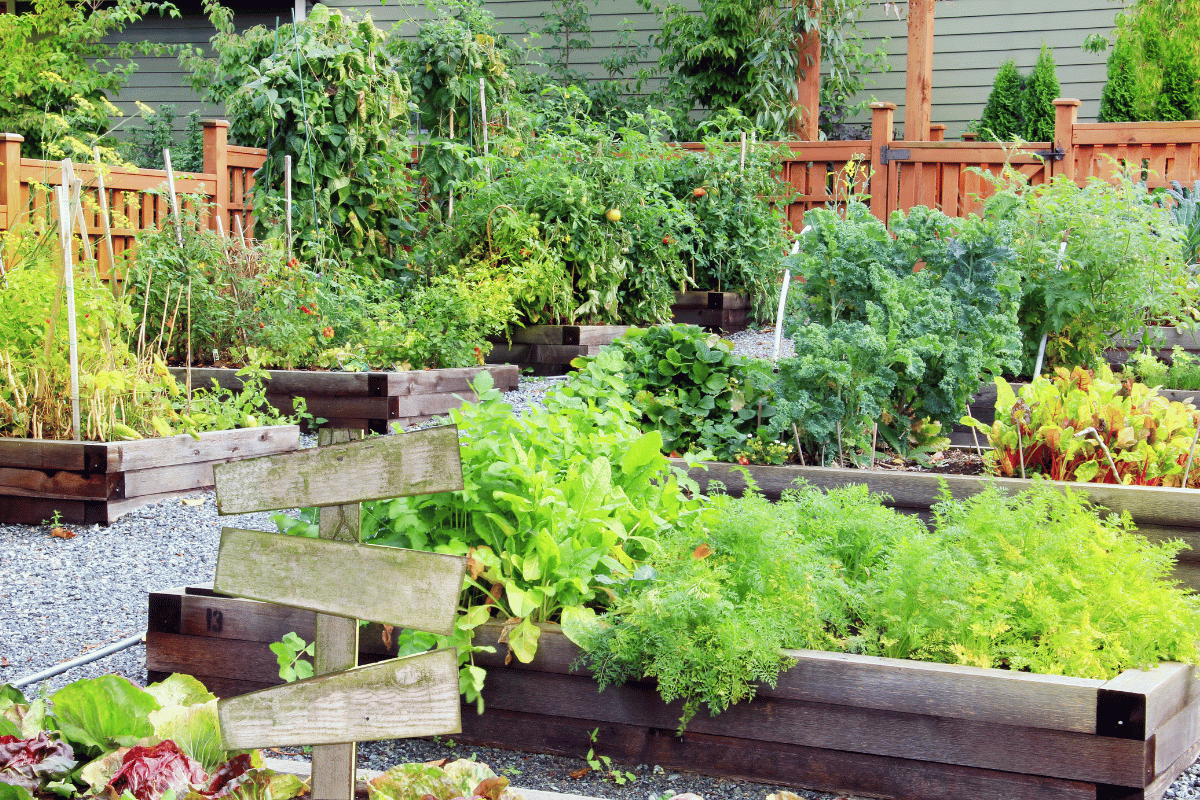
The quiet revolution in backyards
In an era of climate uncertainty and global food challenges, a quiet revolution is unfolding in backyards, balconies, and small plots around the world. Home gardens, once considered merely supplemental food sources, are now emerging as critical reservoirs of biodiversity and powerful tools for enhancing food security. These small-scale ecosystems represent one of the oldest and most enduring forms of cultivation, yet their potential to address contemporary food challenges remains largely untapped.
Home gardens are sophisticated multi-layered agroecosystems that integrate trees, vegetables, fruits, spices, herbs, and medicinal plants around homesteads. According to scientific literature, these gardens are characterized by their location near residences, high diversity of plants, supplemental food production, small land requirements, and accessibility even to resource-poor families. What makes these gardens remarkable is their dynamic nature i.e. each garden is unique in structure, composition, and functionality, adapting to local ecology, available resources, and family needs.
The roots of modern agriculture
The historical significance of home gardens cannot be overstated. They represent the very origins of modern agriculture, with subsistence production systems beginning in small garden plots around households as far back as Early Mesopotamia (10,000 BC). Throughout centuries, they have endured as integral components of family farming and local food systems across diverse cultures and geographies.
The food and nutrition solution
Home gardens as a source of food security
The most immediate benefit of home gardens lies in their direct contribution to household food security. Research demonstrates that home gardens provide a continuous supply of fresh vegetables and other nutrient-rich foods for family consumption, which is especially valuable in crisis and post-crisis situations.
A compelling case study from Phoukhoud District in Laos revealed the substantial impact of home gardening interventions. Between 2019 and 2022, the region experienced a 21% drop in food insecurity, primarily attributed to a 12% increase in home gardens that boosted crop production and harvests. The study also documented significant improvements in dietary habits, with minimum diet diversity rising to 41% across vulnerable households.
Nutritional and health benefits
Beyond merely providing calories, diverse home gardens significantly enhance nutritional quality and dietary diversity. Research has established that cultivation in home gardens is associated with "reduced hunger and malnutrition, improved health, and dietary diversity and balance, including, e.g., an increased consumption of vitamin-A-rich fruits and vegetables, pulses, and other fruits and vegetables".
The nutritional advantages operate through multiple mechanisms:
- Direct access to fresh, nutrient-dense foods that retain higher vitamin and mineral content compared to store-bought produce that may have undergone prolonged storage and transportation
- Cultivation of diverse traditional crops that may not be available in commercial markets but contain unique nutritional profiles
- Availability of medicinal plants that contribute to healthcare and reduce medical expenses
These benefits are particularly crucial for vulnerable groups, including children, pregnant women, and those with disabilities, who often bear the brunt of food insecurity and malnutrition.
Conservation of Genetic Diversity
Perhaps the most overlooked role of home gardens is their function as living gene banks that conserve vital plant genetic resources. These resources provide the foundation for sustainable agricultural production, adaptation to climate change, and economic development.
Home gardens serve as crucial reservoirs for:
- Traditional landraces: Locally adapted varieties developed over generations in traditional farming systems
- Crop Wild Relatives (CWR): Wild taxa within the same genus as crops, containing wide genetic diversity not available in cultivated crops
- Underutilized crop plants: Species with potential for future cultivation and commercialization
- Genetic stocks: Material valuable for breeding and research programs
This conservation function has become increasingly urgent as modern agriculture has narrowed its genetic base. Scientists estimate that certain major agricultural crops, including wheat, maize, rice, and soy, may lose up to 25% of their current yield by 2050 due to climate change if adapted varieties are not developed . The genetic diversity preserved in home gardens provides the raw materials needed for breeding these more resilient crop varieties.
Home gardens have allowed the adaptation and domestication of plants to extreme or specific ecological conditions, thus contributing to the diversification of cultivated plants. This adaptation occurs naturally as gardeners selectively save seeds from plants that perform well in their local conditions, gradually developing varieties with enhanced resilience to regional challenges such as drought, pests, or soil conditions.
Practical strategies for biodiversity-friendly gardens
Creating a garden that maximizes biodiversity while producing food requires thoughtful planning. Research suggests several effective approaches:
- Multi-layer planting: Vertical stacking mimics natural forest structures and maximizes productivity in small spaces. The Chicago Botanic Garden achieved a 40% increase in biodiversity and reduced water use by 30% on a 385-square-foot plot through layered planting.
- Incorporating native plants: A study showed that gardens with over 70% native plant biomass support 50% more native bird species compared to those with less than 30% native plants.
- Foodscaping: This approach integrates edible plants into ornamental landscapes, combining beauty and function.
Challenges and limitations
Despite their significant benefits, home gardens face challenges that can limit their effectiveness. A study in South Africa highlighted that even when 72% of respondents cultivated fruits or vegetables, the gardens did not contribute substantially to food security for most households. The research identified several constraining factors:
- Cultural practices that prioritize ornamental species over food plants
- The presence of "lebala" - large, bare, open spaces in traditional garden design
- Reliance on purchased foods rather than home production
- Limited knowledge about effective gardening techniques in specific contexts
These challenges remind us that home gardens are not a universal panacea. Their success depends on appropriate design, cultural relevance, and adequate support. However, when properly adapted to local conditions, they can significantly contribute to household resilience.
Conclusion
Home gardens represent a time-tested yet increasingly relevant approach to addressing interconnected challenges of food security, biodiversity conservation, and climate adaptation. These small but mighty ecosystems provide multiple benefits that extend far beyond their boundaries: they enhance household nutrition, conserve genetic diversity, support pollinators, improve mental health, and strengthen community resilience.
As we face an uncertain future marked by climate change and food system disruptions, the humble home garden offers a powerful strategy for building more resilient communities. The evidence is clear: increasing home garden cultivation can significantly improve food security outcomes while protecting the biological diversity that underpins our agricultural systems.
The call to action is straightforward: whether you have a spacious backyard, a small balcony, or access to a community garden plot, consider how you might contribute to this movement. By cultivating even a small garden rich in biodiversity, you participate in a centuries-old tradition of stewardship while helping to secure our collective food future.
Sources
Enhancing Food Security Through Home Gardening: A Case Study in Phoukhoud District, Lao PDR
Nonnative plants reduce population growth of an insectivorous bird
Why Home Gardens Fail in Enhancing Food Security and Dietary Diversity