


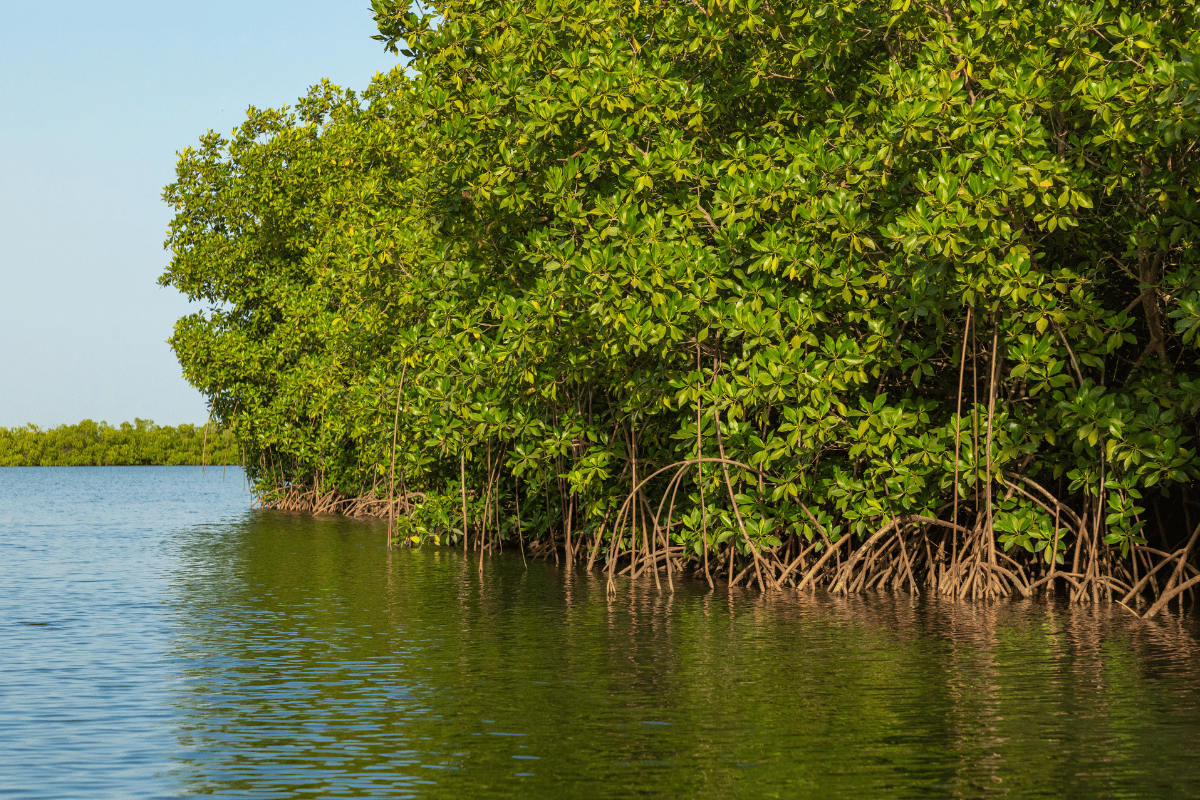
Why bees matter to coastal communities
Do you know that bees are natural soldiers of the ecosystem?
Well, this article provides an exclusive narration of how bees have provided natural protection for the mangrove ecosystem at the Coastal part of Mombasa County. Additionally, they have enhanced the local community's livelihood by providing honey, which is typically harvested from their hives.
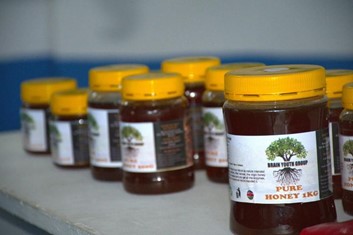
Figure 1: Honey harvested from beehives in the mangrove ecosystem in Junda, Mshomoroni
Mangroves at the Kenyan coast
The mangrove ecosystem is one of the largest carbon sinks in the coastal part of Kenya, including Mombasa, Kwale, Kilifi, and Lamu. Mangrove trees are known for their large importance and contribution to the environment and society. Mangrove trees sequester about 10 times more carbon than any other trees. They are also known to provide habitat for the marine life such as fish and crabs, which the fishermen harvest for sale and consumption. Culturally, they act as worship centers where the community uses them as shrines for the gods. They are also known to provide strong timber used to build settlements and burn charcoal. Paradoxically, due to their great value, it has led to their unsustainable exploitation by the growing coastal communities. As a result, conservationists and the national government, through the Kenya Forest Service, have developed various methods to preserve the mangrove ecosystem.
This is through restoration activities and the establishment of mangrove tree nurseries. These efforts, however, have proved to be least sustainable against the ongoing community depletion. Beekeeping has emerged as a successful solution by aligning economic benefit with mangrove conservation.
Case example: brain youth group, junda, mshomoroni
A good example is a community conservation group known as Brain Youth Group located in Junda, Mshomoroni, whose focus is restoring mangroves along the Tudor Creek. The group comprises of 33 members, including women, youth and Persons with Disabilities. The group exemplifies beekeeping as a solution for sustainable mangrove conservation. The members of the group continue to effectively restore mangroves by generating a tangible economic incentive through the sale of honey from its beekeeping ventures.
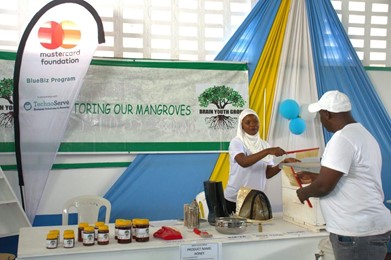
Figure 2: Brain Youth during an exhibition organized by BlueBiz program
How beekeeping strengthens conservation outcomes
From conflict to stewardship
Here is a simple narrative of how beekeeping is a strategic method of preserving mangroves.
The community is recognized as key environmental stewards. Past exclusion of the community from mangrove management, particularly by national agencies like the Kenya Forest Service, sparked conflict over access and use of the mangrove ecosystem. Inclusive initiatives like beekeeping have restored their role, strengthened conservation efforts, and linked ecosystem health directly to their livelihoods through honey production.
According to “A Comprehensive Review of the Effect of Honey on Human Health” authored by Marta Palma-Morales, honey is considered a nutritious, healthy, and natural food, whose composition is highly variable depending on its botanical and geographical origin. It is mainly composed of a mixture of different sugars (80–85%), water 15–17%, and proteins (0.1–0.4%), but it also contains enzymes, organic acids, vitamins, minerals, and phenolic compounds to a lesser extent, which contribute greatly to its sensory and functional characteristics. This has provided food security for the coastal communities increasing the interest of the community in protecting the mangrove ecosystem.
Training that builds skills and trust
From the beekeeping activity, the local community has benefited from training offered by experts and organizations. This has equipped the youth and women in the community with knowledge and skills, making them experts in the processes involved from beehive inspection to honey harvesting. The community has also benefited from exposure during the marketing of the honey. For instance, Brain Youth Group has had the chance to interact with buyers, other organizations, and government officials through the Agricultural shows and exhibitions. This provides an opportunity for the group to reach customers and investors directly. Through training and the available marketing opportunities, the community has gained increased awareness of the importance of bees in conserving mangroves while seeing the importance of protecting the mangrove ecosystem.
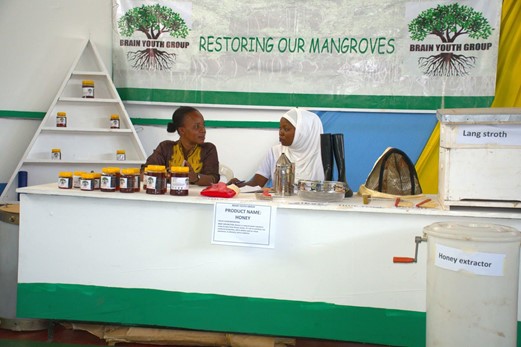
Figure 3: Brain Youth Group during the Mombasa Agricultural Show, 2025
Why “mangrove honey” is attractive
“Mangrove honey” is gaining popularity for its purity and health benefits, as it contains fewer contaminants than honey from terrestrial ecosystems. The community-based organization along Tudor Creek sells honey in 0.25 kg, 0.5 kg, and 1 kg jars at KES 400, KES 700, and KES 1,400, respectively, generating income while promoting mangrove conservation.
To achieve meaningful community buy-in for conservation, it is essential to link environmental efforts with tangible economic benefits, ensuring long-term impact and sustainability. Beekeeping provides a sustainable solution for it. It is a win for nature as well as for the communities, and extensively a win for the consumers and the nation through improved GDP. Beekeeping has provided an environment where nature and people can thrive as they mutually benefit from one another.