Advancing Agricultural Robotics: Key Assets from the Robs4Crops Project
The Role of Robotics in Agriculture
While effective in certain areas, traditional farming requires significant investments in labor, equipment, and resources. The costs of fertilisers, pesticides, and fuel are not only high, but their overuse can have an enormous negative impact on the environment. In addition, the growing shortage of workers for tasks like weeding, planting, and harvesting highlights the struggle of traditional farming methods. This became especially clear during the COVID-19 pandemic when EU countries could not welcome seasonal workers from abroad, resulting in crops being left unharvested in the fields.
Integrating robotics in agriculture has emerged as a solution to address these challenges. By incorporating agricultural robotics for tasks such as weeding and spraying, we can increase productivity by reducing manual labor. Also, thanks to sensors, artificial intelligence, and GPS, robots optimize the use of agrochemicals, reducing overall consumption and minimizing environmental impact. Beyond sustainable farming and resource optimization, robotics improve efficiency by covering larger fields in a shorter time than traditional methods.
Robs4Crops Key Assets
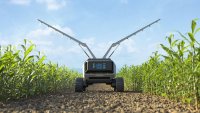
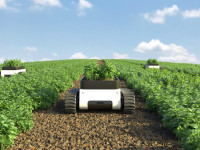
Robs4Crops is a four-year project funded by the EU dedicated to tackling some of the biggest challenges in European agriculture, such as labor shortage and high costs. Over the past four years, Robs4Crops has focused on developing an autonomous robotic system for spraying and mechanical weeding, complemented by a comprehensive, supportive ecosystem. This innovative technology aims to offer a more efficient and sustainable solution through advancements in smart implements, autonomous vehicles, and cutting-edge planning software.
As the project nears its conclusion at the end of 2024, it's crucial to highlight the key outcomes that set new benchmarks in agriculture technology.
Over the last four years, Robs4Crops has developed innovative solutions aimed at revolutionizing European agriculture. The project achieved remarkable success, and the key outcomes are:
- The book chapter “Implementing a Digital Twin for Flexible Operation of Agricultural Robotics” highlights the transformative potential of digital twins (DT) in creating sustainable farming systems. The research, tested across four different farming systems throughout Europe, demonstrates that DT-based agricultural robot systems require less supervision than current systems and can respond to changing conditions and unforeseen events. These insights pave the way for more efficient and sustainable farming processes.
- The Farming Controller is a central component of the Robs4Crops farming system, comprising autonomous vehicles and smart implements. It's an open-source digital twin software designed to plan, schedule, and optimise agricultural production using robots, implements, and machinery. It's completely customizable, allowing end users to adapt the software to their specific needs, such as user scripts and custom style sheets for websites. Users can publish modifications for others with similar preferences and submit personal improvements directly as pull requests. The open-source code will be soon available here: robs4crops.github.io
- Web Tool for Economic Performance Analysis is an intuitive tool that helps farmers and stakeholders calculate the farm-level economic performance of autonomous weeding and spraying systems with reference to the existing practice of human-operated conventional tractors. Default values provided in the tool are based on data collected from the project’s use cases. By providing actionable insights on conventional and robotic systems across different farming operations, the tool supports informed decision-making and improves overall efficiency.
- Best Practices from Large-Scale Pilots stem from the efforts of the Robs4Crops team, as they demonstrated the potential of robotic farming through extensive large-scale pilots conducted in France, the Netherlands, Spain, and Greece.
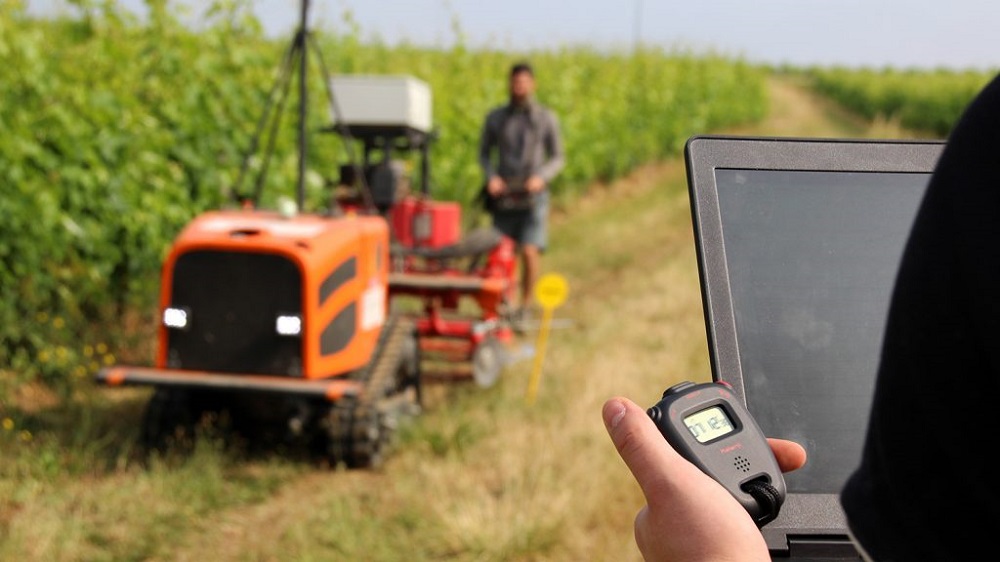
- In France, the Robs4Crops pilot focused on reducing the environmental impact of vineyards by replacing chemical weed control with mechanical weeding. It also included the implementation of different tools, technology and sensors. The pilot successfully weeded several plots and achieved significant progress in developing smart implements.
- In the Netherlands, the pilot transformed arable farming by utilizing advanced tools such as the Robotti robot, Precision Seeder, Tine-Weeder, and Row-Steered Hoeing Machine. Despite the weather challenges, the team pioneers environmentally conscious agriculture and established a strong foundation for developing an advanced algorithm to access weeding quality.
- In Spain, Robs4Crops focused on apple orchard spraying, reducing chemical dependency, and mitigating the labor shortage. This was achieved using innovative technology such as retrofitted tractors and autonomous sprayers. To share findings on the enhanced spraying methods, Robs4Crops organized demos on two different plots, offering participants tangible insights into the transformative potential of autonomous technology in farming.
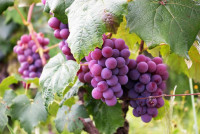
- In Greece, Robs4Crops aimed to enable precise spraying while addressing challenges such as speed control, labor shortages, delays, technical issues, and the need for human supervision. To achieve this, the team utilized advanced technology, including a retrofitted tractor and a CEOL robot equipped with smart implements like a Perception Unit, Smart Nozzles, a Hydraulic System, a Terminal, and an AGC Box. The pilot not only transformed how table grapes are spayed but also set a new standard for agricultural practices.
More updates on the progress of all four pilots, including video material, will be shared on the project's site soon.
Why These Assets Are Important for the Agricultural Sector
Robs4Crops outcomes provide valuable insights and practical application of robotics in agriculture for all stakeholders, from farmers to researchers. These assets cannot only increase productivity and reduce costs in agriculture but also improve collaboration by facilitating knowledge sharing and fostering innovation among stakeholders. Utilizing these findings and tools, stakeholders can make more informed decisions and build sustainable and efficient farming practices.
Explore the Robs4Crops key assets, get in touch for collaboration and stay tuned for the upcoming GitHub page launch.
Further reading
Innovative Robotic Technology Revolutionizes Table Grape Spraying
Infusing Smart Precision: Are Robotic Crop Sprayers the Key?